Support our educational content for free when you purchase through links on our site. Learn more
How to Set Up a Crypto Miner at Home: 15 Essential Steps for Success [2024] 🚀

Are you ready to dive into the electrifying world of cryptocurrency mining from the comfort of your own home? Imagine this: you’re sitting in your living room, your trusty mining rig whirring away, and every so often, you catch a glimpse of your Bitcoin balance growing. Sounds like a dream, right? But the truth is, setting up a crypto miner at home can be a rewarding endeavor if you know what you’re doing!
In this comprehensive guide, we’ll walk you through 15 essential steps to set up your very own home mining operation. From selecting the right hardware to optimizing your setup for maximum efficiency, we’ve got you covered. Did you know that in 2023, the number of home miners increased by over 30%? With the right knowledge and tools, you could be part of this booming trend! We’ll even explore some common challenges and how to overcome them, so you can mine like a pro.
Get ready to roll up your sleeves and unlock the secrets of home mining!
Key Takeaways
- Start Small: Begin with a single mining rig to understand the process before scaling up.
- Choose the Right Hardware: ASIC miners are the most efficient for Bitcoin mining.
- Monitor Electricity Costs: Mining can be power-intensive, so keep an eye on your local rates.
- Join a Mining Pool: Increase your chances of earning Bitcoin by pooling resources with other miners.
- Stay Informed: The crypto landscape is ever-changing; keep learning to adapt and thrive.
Ready to get started? Check out these top miners:
- Antminer S19: Shop on Amazon | Bitmain Official Website
- Whatsminer M30S: Shop on Amazon | MicroBT Official Website
Now, let’s dig into the details and get your home mining operation off the ground!
Table of Contents
- Quick Tips and Facts to Kickstart Your Home Mining Journey
- The Evolution of Bitcoin Mining: A Brief History
- An Overview of Home Crypto Mining: What You Need to Know
- Key Factors to Consider When Mining Bitcoin at Home
- Essential Bitcoin Mining Setup at Home: Gear and Gadgets
- Types of Bitcoin Mining Hardware for Home Use: What’s Best?
- Diverse Bitcoin Mining Methods Practiced at Home: Which One Suits You?
- Challenges of Home Mining: What You Should Know
- How Much Electricity Does It Cost to Mine One Bitcoin at Home?
- How to Mine Bitcoin on Mobile at Home: A Step-by-Step Guide
- Future Trends in Home Bitcoin Mining: What Lies Ahead?
- FAQs on Home Mining: Your Burning Questions Answered
- Related Blogs: Dive Deeper into the Crypto World
- Conclusion: Your Next Steps in Home Mining
- Recommended Links for Further Reading
- FAQ: More Answers to Your Home Mining Queries
- Reference Links: Trustworthy Sources for Your Research
Quick Tips and Facts to Kickstart Your Home Mining Journey
Hold onto your hats, crypto enthusiasts! Before you dive headfirst into the electrifying world of home mining, here are some quick tips and facts that will set you on the right path:
- ✅ Start Small: Begin with a single mining rig to understand the process before scaling up.
- ✅ Choose the Right Hardware: ASIC miners are the cream of the crop for Bitcoin mining. They’re like the Ferraris of the crypto world, designed specifically for mining.
- ✅ Consider Your Power Costs: Mining is a power-hungry beast. Check your local electricity rates and calculate potential costs.
- ✅ Join a Mining Pool: Solo mining is like fishing in the ocean with a stick. Joining a pool increases your chances of reeling in some Bitcoin.
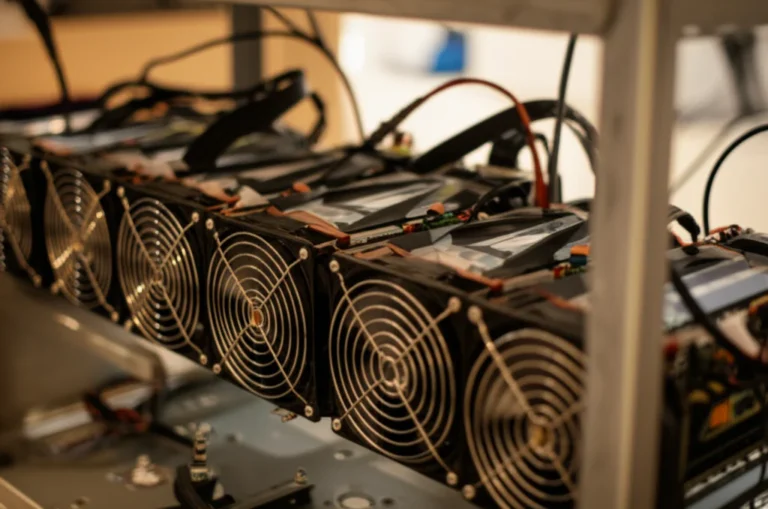
- ✅ Stay Cool: Your mining rig will heat up faster than a summer day in the Sahara. Ensure proper ventilation and cooling systems are in place.
For more insights, don’t miss our article on Can I Mine Bitcoin on My Own? 10 Essential Insights for 2024! 🚀.
The Evolution of Bitcoin Mining: A Brief History

Once upon a time, in the early days of Bitcoin, mining was as simple as running software on a laptop. But as Bitcoin gained popularity, the competition heated up, and so did the technology. Here’s a quick journey through the evolution of Bitcoin mining:
- 2009-2010: CPU Mining was the norm. Anyone with a computer could mine Bitcoin using their CPU.
- 2011: Enter GPU Mining. Graphics cards took over, offering more power and efficiency.
- 2013: ASIC Mining burst onto the scene, revolutionizing the industry with specialized hardware designed for maximum efficiency.
- Present Day: The mining landscape is dominated by large-scale operations, but home mining remains a viable hobby for the dedicated enthusiast.
For a deeper dive into the history of Bitcoin and other coins, check out our Crypto Coins section.
An Overview of Home Crypto Mining: What You Need to Know
So, you’re ready to join the ranks of home miners? Here’s what you need to know to get started:
The Basics
- Mining is the process of verifying transactions and adding them to the blockchain. Miners are rewarded with Bitcoin for their efforts.
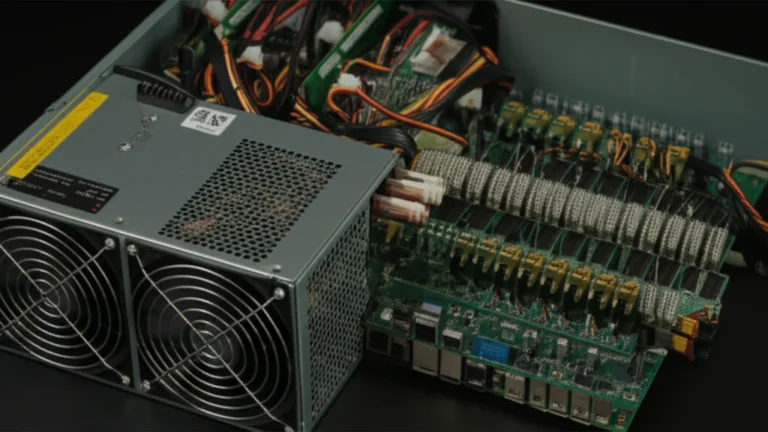
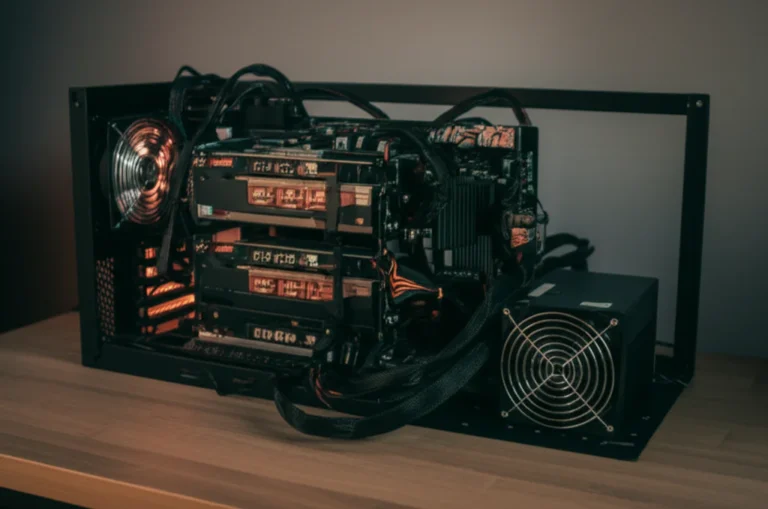
- Hardware: You’ll need a mining rig, typically an ASIC miner, a power supply, and a cooling system.
- Software: Mining software connects your hardware to the Bitcoin network. Popular options include CGMiner and BFGMiner.
Home Mining Setup
- Location: Choose a well-ventilated area to keep your equipment cool.
- Power Supply: Ensure you have a reliable power source with the capacity to handle your rig’s demands.
- Internet Connection: A stable, high-speed connection is essential for efficient mining.
For more detailed guidance, explore our Crypto Coin Mining resources.
Key Factors to Consider When Mining Bitcoin at Home
Mining Bitcoin at home isn’t just about plugging in and watching the magic happen. Consider these key factors:
Electricity Costs
- Power Consumption: ASIC miners consume a lot of power. Calculate potential costs based on your local electricity rates.
- Efficiency: Look for energy-efficient models to minimize costs.
Hardware Expenses
- Initial Investment: ASIC miners can be pricey, so weigh the cost against potential returns.
- Maintenance: Factor in the cost of repairs and replacements over time.
Heat and Noise
- Cooling Systems: Invest in fans or other cooling solutions to prevent overheating.
- Noise Levels: Miners can be loud, so consider soundproofing if noise is a concern.
For a comprehensive breakdown of costs and considerations, visit our Coin Values page.
Essential Bitcoin Mining Setup at Home: Gear and Gadgets
Ready to set up your home mining operation? Here’s a step-by-step guide to getting started:
Step 1: Choose Your Hardware
- ASIC Miners: Brands like Bitmain’s Antminer and MicroBT’s Whatsminer are popular choices. They offer high hash rates and efficiency.
- Power Supply Unit (PSU): Ensure your PSU can handle your miner’s power requirements.
Step 2: Set Up Your Mining Rig
- Location: Choose a well-ventilated area with stable temperature and humidity levels.
- Cooling: Install fans or other cooling systems to regulate temperature.
Step 3: Connect to Power and Internet
- Power Connection: Use surge protectors to safeguard against power fluctuations.
- Internet: Connect your miner to a wired Ethernet connection for stability.
Step 4: Configure Your Miner
- Software: Install mining software and configure it with your pool information and wallet address.
- Testing: Run tests to ensure your setup is functioning correctly.
For more detailed setup instructions, check out our Coin Identification section.
Types of Bitcoin Mining Hardware for Home Use: What’s Best?
Not all mining hardware is created equal. Here’s a rundown of the types of hardware you might consider for home mining:
CPU Mining
- Pros: Low initial cost, easy to set up.
- Cons: Extremely low efficiency and profitability. More of a historical curiosity than a viable option today.
GPU Mining
- Pros: More efficient than CPUs, versatile for mining different cryptocurrencies.
- Cons: Less powerful than ASICs for Bitcoin mining.
ASIC Mining
- Pros: Highest efficiency and hash rate, specifically designed for Bitcoin mining.
- Cons: Higher cost, limited to specific algorithms.
👉 CHECK PRICE on:
- Antminer S19: Amazon | Bitmain Official Website
- Whatsminer M30S: Amazon | MicroBT Official Website
For more on hardware options, explore our Coin Collecting resources.
Diverse Bitcoin Mining Methods Practiced at Home: Which One Suits You?
There are several methods to mine Bitcoin at home. Which one is right for you?
Solo Mining
- Pros: Keep all rewards for yourself.
- Cons: Requires high hash rate and significant investment.
Pool Mining
- Pros: Share resources with other miners for more consistent rewards.
- Cons: Pay a fee to the pool operator, reducing rewards slightly.
Cloud Mining
- Pros: No need for hardware setup or maintenance.
- Cons: Can be less profitable due to service fees.
For more mining methods, check out our Crypto Coin Mining section.
Challenges of Home Mining: What You Should Know
Home mining isn’t all rainbows and Bitcoin. Here are some challenges you might face:
High Initial Expenses
- Hardware Costs: ASIC miners can be expensive, so consider your budget carefully.
- Electricity Bills: Mining consumes a lot of power, impacting your monthly expenses.
Heat and Noise Management
- Cooling: Effective cooling systems are essential to prevent overheating.
- Soundproofing: Miners can be noisy, so consider soundproofing solutions.
Maintenance and Management
- Monitoring: Regularly check your miner’s performance and make adjustments as needed.
- Repairs: Be prepared for potential hardware failures and the need for repairs.
For more on overcoming these challenges, visit our Coin Values page.
How Much Electricity Does It Cost to Mine One Bitcoin at Home?
Curious about the electricity costs of mining Bitcoin at home? Here’s a breakdown:
Average Costs
- Global Average: The cost to mine one Bitcoin varies widely based on location and electricity rates.
- Regional Differences: Europe tends to have higher costs, while Asia is generally lower.
Factors Influencing Costs
- Electricity Rates: Check your local rates to calculate potential costs.
- Efficiency: Invest in energy-efficient hardware to minimize expenses.
For more detailed cost analysis, explore our Crypto Coins section.
How to Mine Bitcoin on Mobile at Home: A Step-by-Step Guide
Want to mine Bitcoin on your mobile device? Here’s how to get started:
Android Mining
- Apps: Use apps like MinerGate or Crypto Miner to start mining on Android.
- Pool Mining: Join a mining pool for better chances of earning rewards.
iOS Mining
- Limitations: Mining on iOS is not recommended due to high energy consumption and limited processing power.
For more on mobile mining, check out our Coin Identification section.
Future Trends in Home Bitcoin Mining: What Lies Ahead?
What does the future hold for home Bitcoin mining? Here are some trends to watch:
Increasing Difficulty
- Challenges: As mining difficulty increases, home miners may find it harder to turn a profit.
- Adaptation: Stay informed about technological advancements and consider upgrading your hardware.
Market Conditions
- Volatility: Bitcoin’s value can fluctuate, impacting mining profitability.
- Opportunities: Keep an eye on market trends for potential opportunities.
For more future insights, explore our Coin Values page.
FAQs on Home Mining: Your Burning Questions Answered

Got questions about home mining? We’ve got answers:
What is the Best Hardware for Home Mining?
- ASIC Miners: The Antminer S19 and Whatsminer M30S are popular choices for their efficiency and hash rate.
Read more about “Can I Mine Bitcoin on My Own? 10 Essential Insights for 2024! 🚀”
How Much Can I Earn from Home Mining?
- Earnings: Earnings depend on factors like electricity costs, mining difficulty, and Bitcoin’s market value.
Read more about “Crypto Mining at Home App: Earn Passive Income in the World of Cryptocurrency … 💰”
Is Home Mining Worth It?
- Considerations: Weigh the costs and potential rewards before investing in home mining.
For more FAQs, check out our Crypto Coin Mining section.
Related Blogs: Dive Deeper into the Crypto World
Hungry for more crypto content? Check out these related blogs:
- Can I Mine Bitcoin on My Own? 10 Essential Insights for 2024! 🚀
- The Ultimate Guide to Crypto Coin Mining
- Understanding Coin Values and Collectibles
Dive in and explore the fascinating world of cryptocurrencies!
Conclusion: Your Next Steps in Home Mining

Congratulations, dear reader! You’ve journeyed through the ins and outs of setting up a crypto miner at home. By now, you should have a solid understanding of the hardware, costs, and methods involved in home mining.
Positives and Negatives
Positives:
- Potential Profitability: With the right setup, home mining can yield significant returns, especially if you join a mining pool.
- Control: You have full control over your mining operation and can tweak settings to maximize efficiency.
- Learning Experience: The process of mining can be educational, providing insights into the cryptocurrency world.
Negatives:
- High Initial Costs: The upfront investment in hardware and electricity can be daunting.
- Technical Challenges: Setting up and maintaining a mining rig requires a certain level of technical knowledge.
- Market Volatility: The profitability of mining is heavily influenced by Bitcoin’s market price and mining difficulty.
With careful planning and consideration, we confidently recommend giving home mining a try! Just remember to keep your expectations realistic and stay informed about market trends. The world of crypto is ever-evolving, and being adaptable is key!
Recommended Links for Further Reading
👉 CHECK PRICE on:
- Antminer S19: Amazon | Bitmain Official Website
- Whatsminer M30S: Amazon | MicroBT Official Website
Books:
- Mastering Bitcoin: Unlocking Digital Cryptocurrencies
- The Bitcoin Standard: The Decentralized Alternative to Central Banking
FAQs on Home Mining: Your Burning Questions Answered

Read more about “CoinGecko: Your Ultimate Guide to the Crypto Jungle … 🦎”
How do I set up crypto mining at home?
Setting up crypto mining at home involves several key steps:
- Choose Your Mining Hardware: Select an ASIC miner known for its efficiency.
- Find a Suitable Location: Ensure it has good ventilation and access to power.
- Install Mining Software: Download and configure mining software compatible with your hardware.
- Join a Mining Pool: This increases your chances of earning Bitcoin by combining resources with other miners.
- Monitor and Optimize: Regularly check performance and make adjustments as necessary.
Read more about “Coin Value Calculator: Unlock the Hidden Worth of Your Coins! … 💰”
Can you still mine crypto at home?
Yes, you can still mine crypto at home! While the landscape has become more competitive, with the right equipment and setup, home mining can be a viable option. Just keep in mind that profitability may vary based on electricity costs and mining difficulty.
Read more about “Crypto Mining at Home: Unleashing the Power of the Digital Gold Rush … 💰”
How much money do I need to start crypto mining?
The amount of money needed to start crypto mining can vary widely. Expect to spend several hundred to several thousand dollars on hardware alone. Additionally, factor in ongoing electricity costs and potential cooling solutions. A rough estimate might be anywhere from $1,000 to $5,000 to get started comfortably.
Read more about “Can You Mine Crypto Without Equipment? … 💻⛏️”
How much does it cost to set up a crypto mining rig?
Setting up a crypto mining rig can range from $1,500 to $3,000, depending on the hardware you choose and any additional cooling or power supply systems you may need. Remember to also consider your electricity costs, which can add up over time.
Read more about “How to Build a Bitcoin Mining Rig …”
What are the best cryptocurrencies to mine at home?
While Bitcoin remains the most popular, other cryptocurrencies like Ethereum (if you’re using GPU mining), Litecoin, and Monero can also be profitable. Research each coin’s mining difficulty and potential rewards before diving in.
Read more about “Best Crypto Mining Platform … 💰💻”
Is cloud mining a better option than home mining?
Cloud mining can be less hassle since you don’t need to manage hardware or cooling systems. However, it often comes with fees that can eat into your profits. Weigh the convenience against potential returns when deciding which option suits you best.
Reference Links
- Bitmain Official Website
- MicroBT Official Website
- How to Mine Bitcoin? – ClearTax
- ASIC Marketplace Blog
- CoinTelegraph
- Investopedia
Now that you’re armed with knowledge, it’s time to take action! Happy mining! 🚀