Support our educational content for free when you purchase through links on our site. Learn more
How to Secure & Protect Your Gold Coin Collection in 15 Smart Steps 🛡️ (2026)

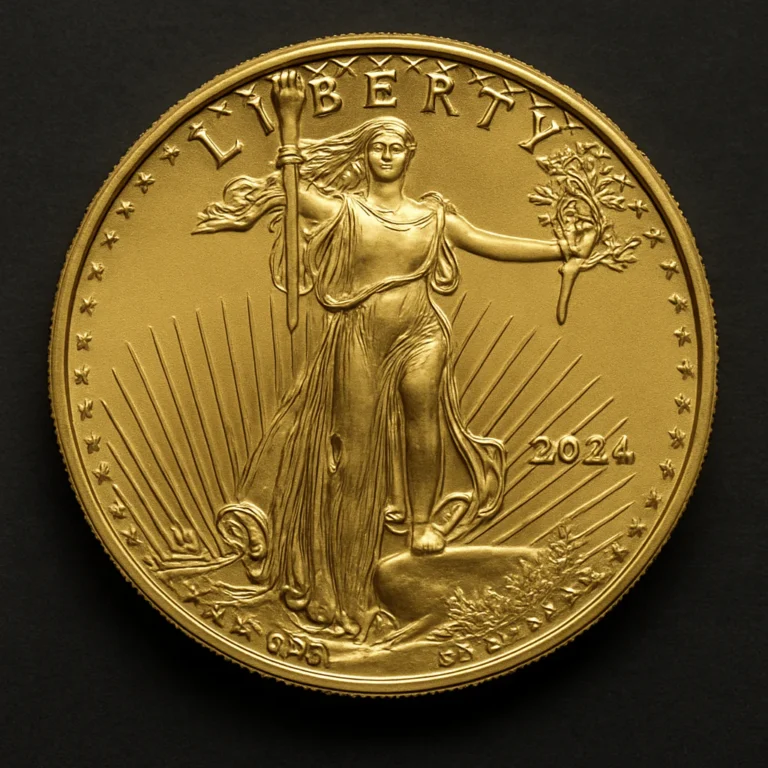
Imagine this: you’ve just acquired a dazzling gold coin—maybe a pristine American Gold Eagle or a rare 1907 Saint-Gaudens Double Eagle—and you’re already dreaming of the legacy it will build. But wait—how do you keep that treasure safe from the sneaky hands of thieves, the silent creep of humidity, or the accidental slip that could cost you thousands? At Coin Value™, we’ve seen collectors make costly mistakes, but we’ve also helped them build ironclad defenses around their precious metals.
In this comprehensive guide, we’ll walk you through 15 expert-backed strategies to store and protect your gold coin collection from damage or theft. From choosing the perfect UL-rated safe to mastering the art of handling coins without leaving a fingerprint, and even when to trust professionals with your stash, we cover it all. Curious about why PVC flips are the silent killers of coin value? Or how a simple silica gel pack can save your collection from corrosion? Stick around—we’ve got those answers and more.
Key Takeaways
- Invest in a high-quality UL-rated safe (TL-30 or better) bolted securely to your home.
- Avoid PVC flips; use airtight Air-Tite capsules or certified slabs to protect coins.
- Maintain stable temperature and humidity (below 50%) to prevent tarnishing and corrosion.
- Create a detailed inventory with photos and appraisals to support insurance claims.
- Consider professional vault storage for collections exceeding $50,000 or for peace of mind.
- Handle coins only by the edges and never clean them to preserve their numismatic value.
Ready to build your fortress of gold? Let’s dive in!
Table of Contents
- ⚡️ Quick Tips and Facts
- 📜 From Ancient Hoards to Modern Vaults: The Evolution of Precious Metal Security
- 🛡️ Why Your Shiny Stash Needs a Fortress: The Stakes of Storage
- 🧐 Safe vs. Bank vs. Secret Hole: Assessing Your Storage Strategy
- 🪙 Building a Legacy: Curating and Organizing Your Gold Coin Portfolio
- 🏠 Home Sweet Vault: Best Practices for Storing Precious Metals at Home
- 🔐 The Iron-Clad Choice: Choosing the Right Safe for Home Storage
- 🧤 Hands Off! Handling and Caring for Valuables Without Lowering the Grade
- 🌡️ Defeating the Elements: Protecting Coins and Bullion from Environmental Damage
- 📝 Paper Trails and Safety Nets: Inventory Management and Insurance
- 📦 Choosing the Right Storage Container for a Precious Metal: From Flips to Slabs
- 🕵️ Beyond the Floorboard: Alternative Storage Solutions for a Precious Metal
- 🛠️ Keeping the Lustre: Tips for Maintaining Your Stored Items
- 🏦 When to Call the Pros: When to Consider Professional Vault Storage
- 🚫 Rookie Blunders: 15 Common Mistakes to Avoid
- 🏛️ How The Bullion Bank and Private Depositories Shield Your Investment
- 💤 Store Smart, Sleep Better: Your Gold Security Roadmap
- ✨ You May Also Like
- 🛒 Related Products
- 🏁 Conclusion
- 🔗 Recommended Links
- ❓ FAQ
- 📚 Reference Links
⚡️ Quick Tips and Facts
So, you’ve finally got your hands on some real, glittering wealth. Whether it’s a stack of American Gold Eagles or a rare St. Gaudens Double Eagle, you’re probably feeling like a modern-day Midas. But before you start swimming in your gold like Scrooge McDuck, we need to talk about the “Three Horsemen of Coin Ruin”: Theft, Tarnish, and Tossing.
Here’s the “Coin Value™” cheat sheet to keep your treasure chest safe:
- ✅ The “Loose Lips” Rule: Never tell anyone—not even your chatty neighbor—that you have gold at home.
- ✅ Climate is King: Gold is hardy, but the copper and silver alloys in many coins hate humidity. Keep them in a cool, dry place.
- ✅ Safe Ratings Matter: A “fireproof” box from a big-box store is often just a glorified Tupperware container for burglars. Look for UL-Rated TL-15 or TL-30 safes.
- ✅ No PVC, Ever: Cheap plastic flips contain PVC that will literally “eat” your coins over time, leaving a nasty green slime.
- ✅ Insurance is Non-Negotiable: Most standard homeowners’ policies cover only a tiny fraction of “money” or “bullion.” You need a specific Personal Articles Floater.
Did you know? Gold is so heavy that a standard shoebox full of gold bars would weigh over 300 pounds! If you’re hiding it in the attic, make sure your floor joists are up to the task. 🏋️ ♂️
📜 From Ancient Hoards to Modern Vaults: The Evolution of Precious Metal Security
Humans have been obsessed with hiding gold since the first Lydian coins were struck. In ancient Rome, wealthy citizens would bury their “hoards” in ceramic jars beneath their villas—a practice that keeps modern metal detectorists in business! 🏺
During the California Gold Rush, miners slept with their “poke” (gold dust bag) tied to their belt or hidden inside their boots. Fast forward to the 20th century, and the Safe Deposit Box became the gold standard for security. However, after the 1933 gold confiscation in the U.S. and recent concerns about bank “bail-ins,” many collectors are returning to the “home fortress” mentality.
We’ve moved from clay pots to biometric safes and off-shore depositories, but the goal remains the same: keeping your “yellow fever” from becoming someone else’s payday.
🛡️ Why Your Shiny Stash Needs a Fortress: The Stakes of Storage
Why all the fuss? Can’t you just put your gold in a sock drawer? 🧦
❌ Theft: Gold is the ultimate “untraceable” asset. Once it’s gone, it’s gone. It doesn’t have a serial number that a pawn shop can easily track like a stolen laptop. ❌ Environmental Degradation: While 24k gold doesn’t tarnish, most gold coins (like the Krugerrand) are 22k and contain copper. High humidity can cause “red spots” or toning that can slash the numismatic premium of a rare coin. ❌ Accidental Damage: Dropping a gold coin on a hardwood floor can cause a “rim ding.” In the world of high-grade grading by PCGS or NGC, a single ding can mean the difference between a $2,000 coin and a $1,200 coin.
We aren’t just protecting “metal”; we are protecting your purchasing power and your family’s future. 🛡️
🧐 Safe vs. Bank vs. Secret Hole: Assessing Your Storage Strategy
Choosing where to keep your gold is a balancing act between accessibility and security.
- Home Storage: You have 24/7 access. If the world goes sideways, your gold is in your hand. But, you bear 100% of the risk.
- Safe Deposit Boxes: Very secure against theft, but you can only get to it during bank hours. Plus, the FDIC does not insure the contents of safe deposit boxes. 🏦
- Professional Private Vaults: Companies like Brink’s or The Bullion Bank offer high-security, fully insured storage. This is the “set it and forget it” option for serious investors.
- The “Midnight Garden” Method: Burying it. (We generally advise against this unless you have a very good map and a very waterproof container like a Pelican Case).
🚫 Rookie Blunders: 15 Common Mistakes to Avoid
We’ve seen it all at “Coin Value™.” Don’t let these mistakes turn your gold into dross:
- Using PVC Flips: The “Green Slime” of death.
- Storing in the Bathroom: Humidity is the enemy. 🛁
- Telling the “Wrong” People: This includes posting photos of your “mail call” on social media.
- Buying a “Cheap” Safe: If two guys can carry it out, it’s not a safe; it’s a gift box for thieves.
- Not Bolting the Safe Down: See mistake #4.
- Cleaning Your Coins: NEVER clean a rare coin. You will destroy the “mint luster” and lose up to 90% of its value. 🧼
- Touching Coins with Bare Hands: Skin oils cause fingerprints that become permanent over time.
- Storing Gold and Silver Together: Silver tarnishes easily; keep them in separate containers to prevent “cross-contamination” of gases.
- Forgetting the Combination: It sounds silly until it happens to you.
- No Inventory List: If a fire happens, how will you prove what you had to the insurance company?
- Hiding Gold in “Obvious” Spots: Under the mattress or in the freezer (thieves check there first!).
- Ignoring Fire Ratings: Gold melts at 1,948°F. A house fire can easily reach that.
- Using Rubber Bands: They contain sulfur, which causes nasty black toning.
- Storing Near Chemicals: Keep your coins away from household cleaners or paints.
- Relying Solely on Homeowners Insurance: Most policies limit “money” coverage to $200. 💸
🛒 Related Products
To get you started on the right path, here are some “pro-approved” tools we use:
- Safes: Liberty Safe Fatboy Jr. – A beast for home security.
- Protection: Air-Tite Coin Capsules – The gold standard for individual coin protection.
- Moisture Control: Dry-Pack 450 Gram Silica Gel Canister – Keep that safe bone-dry.
- Handling: Cotton Coin Gloves – Because your fingers are oily!
🏁 Conclusion

Protecting your gold coin collection isn’t just about buying a big box; it’s about a lifestyle of discretion and care. By balancing high-tech security like UL-rated safes with low-tech wisdom like not talking about your stash, you ensure your investment remains a legacy rather than a loss. Remember, you aren’t just a collector; you are the guardian of your own private central bank. 🏛️
🔗 Recommended Links
- PCGS – Professional Coin Grading Service
- NGC – Numismatic Guaranty Company
- American Numismatic Association
❓ FAQ

Q: Can I store my gold in a fireproof document bag? A: We don’t recommend it as your primary storage. Those bags are great for papers, but they offer zero protection against theft and can trap moisture.
Q: Is it safe to store gold in a floor safe? A: Yes! Floor safes encased in concrete are incredibly difficult for thieves to remove. Just be mindful of potential flooding or moisture seeping through the concrete.
Q: Should I get my coins “slabbed”? A: If they are rare numismatic coins, yes. The hard plastic “slabs” from PCGS or NGC provide excellent physical protection and guarantee the grade/authenticity.
📚 Reference Links
- Underwriters Laboratories (UL) Safe Ratings Explained
- The History of the 1933 Gold Confiscation – Federal Reserve History
- Insurance Information Institute – Insuring Your Valuables
⚡️ Quick Tips and Facts
So, you’ve finally got your hands on some real, glittering wealth. Whether it’s a stack of American Gold Eagles or a rare St. Gaudens Double Eagle, you’re probably feeling like a modern-day Midas. But before you start swimming in your gold like Scrooge McDuck, we need to talk about the “Three Horsemen of Coin Ruin”: Theft, Tarnish, and Tossing.
Here’s the “Coin Value™” cheat sheet to keep your treasure chest safe:
- ✅ The “Loose Lips” Rule: Never tell anyone—not even your chatty neighbor—that you have gold at home.
- ✅ Climate is King: Gold is hardy, but the copper and silver alloys in many coins hate humidity. Keep them in a cool, dry place.
- ✅ Safe Ratings Matter: A “fireproof” box from a big-box store is often just a glorified Tupperware container for burglars. Look for UL-Rated TL-15 or TL-30 safes.
- ✅ No PVC, Ever: Cheap plastic flips contain PVC that will literally “eat” your coins over time, leaving a nasty green slime.
- ✅ Insurance is Non-Negotiable: Most standard homeowners’ policies cover only a tiny fraction of “money” or “bullion.” You need a specific Personal Articles Floater.
Did you know? Gold is so heavy that a standard shoebox full of gold bars would weigh over 300 pounds! If you’re hiding it in the attic, make sure your floor joists are up to the task. 🏋️ ♂️
📜 From Ancient Hoards to Modern Vaults: The Evolution of Precious Metal Security
Humans have been obsessed with hiding gold since the first Lydian coins were struck. In ancient Rome, wealthy citizens would bury their “hoards” in ceramic jars beneath their villas—a practice that keeps modern metal detectorists in business! 🏺
During the California Gold Rush, miners slept with their “poke” (gold dust bag) tied to their belt or hidden inside their boots. Fast forward to the 20th century, and the Safe Deposit Box became the gold standard for security. However, after the 1933 gold confiscation in the U.S. and recent concerns about bank “bail-ins,” many collectors are returning to the “home fortress” mentality.
We’ve moved from clay pots to biometric safes and off-shore depositories, but the goal remains the same: keeping your “yellow fever” from becoming someone else’s payday.
🛡️ Why Your Shiny Stash Needs a Fortress: The Stakes of Storage
Why all the fuss? Can’t you just put your gold in a sock drawer? 🧦
❌ Theft: Gold is the ultimate “untraceable” asset. Once it’s gone, it’s gone. It doesn’t have a serial number that a pawn shop can easily track like a stolen laptop. ❌ Environmental Degradation: While 24k gold doesn’t tarnish, most gold coins (like the Krugerrand) are 22k and contain copper. High humidity can cause “red spots” or toning that can slash the numismatic premium of a rare coin. ❌ Accidental Damage: Dropping a gold coin on a hardwood floor can cause a “rim ding.” In the world of high-grade grading by PCGS or NGC, a single ding can mean the difference between a $2,000 coin and a $1,200 coin.
We aren’t just protecting “metal”; we are protecting your purchasing power and your family’s future. 🛡️
🧐 Safe vs. Bank vs. Secret Hole: Assessing Your Storage Strategy
Choosing where to keep your gold is a balancing act between accessibility and security.
- Home Storage: You have 24/7 access. If the world goes sideways, your gold is in your hand. But, you bear 100% of the risk.
- Safe Deposit Boxes: Very secure against theft, but you can only get to it during bank hours. Plus, the FDIC does not insure the contents of safe deposit boxes. 🏦
- Professional Private Vaults: Companies like Brink’s or The Bullion Bank offer high-security, fully insured storage. This is the “set it and forget it” option for serious investors.
- The “Midnight Garden” Method: Burying it. (We generally advise against this unless you have a very good map and a very waterproof container like a Pelican Case).
🪙 Building a Legacy: Curating and Organizing Your Gold Coin Portfolio
Before you can protect your coins, you need to know what you have. Start by creating a detailed inventory. We recommend using a spreadsheet or a dedicated app like CoinManage. Include:
- Coin Type: e.g., Canadian Maple Leaf, South African Krugerrand
- Year and Mint Mark: e.g., 1999-W
- Condition: e.g., MS-70, Proof, Brilliant Uncirculated
- Purchase Date and Price: For insurance and tax purposes
- Storage Location: e.g., “Home Safe,” “Safe Deposit Box #123”
Pro Tip: Take high-resolution photos of each coin. If you ever need to file an insurance claim, these photos will be your best friend. 📸
🏠 Home Sweet Vault: Best Practices for Storing Precious Metals at Home
The “Layered Defense” Strategy
Think of your home storage like an onion—multiple layers of protection. Here’s how we do it:
- Layer 1: The Safe: A high-quality, UL-rated TL-30 safe bolted to the floor.
- Layer 2: The Hiding Spot: The safe should be hidden in a non-obvious location. Think behind a false wall panel or inside a closet floor.
- Layer 3: The Alarm System: A monitored security system with motion sensors and cameras.
- Layer 4: The Decoy: Keep a small amount of “junk” silver or low-value coins in an obvious spot. If a burglar finds it quickly, they might leave without finding your real stash.
Climate Control: The Silent Guardian
Gold might not tarnish, but the alloy metals in many coins do. We keep our home storage at 65-70°F with <50% humidity. A small dehumidifier and silica gel packs do the trick. Avoid attics (too hot) and basements (too damp).
🔐 The Iron-Clad Choice: Choosing the Right Safe for Home Storage
Safe Ratings: What Do They Mean?
| Rating | Protection Level | Typical Cost | Best For |
|---|---|---|---|
| RSC (Residential Security Container) | 5-minute tool attack | $500-$1,500 | Small collections |
| TL-15 | 15-minute tool attack | $1,500-$3,000 | Medium collections |
| TL-30 | 30-minute tool attack | $3,000-$6,000 | Large collections |
| TL-30×6 | 30-minute attack on all 6 sides | $6,000+ | High-value collections |
Our Pick: For most collectors, a TL-30 safe offers the best balance of security and cost. Brands like Liberty Safe and Fort Knox are solid choices.
Fire Ratings: Don’t Get Burned
Look for a safe with at least a 1-hour fire rating at 1700°F. Gold melts at 1,948°F, so every minute counts. Some safes, like the Gardall ES1614, offer 2-hour fire protection.
Size Matters: Bigger is Better
When it comes to safes, buy bigger than you think you need. Gold is heavy, and you’ll likely accumulate more over time. A safe that holds 50 pounds of gold today might only hold 20 pounds once you factor in storage containers and organization.
🧤 Hands Off! Handling and Caring for Valuables Without Lowering the Grade
The “Edge-Only” Rule
Always handle coins by their edges, never the faces. The oils from your skin can cause toning or even corrosion over time. Use cotton gloves or nitrile gloves for extra protection.
The “No Cleaning” Commandment
Never clean a rare coin. We can’t stress this enough. Cleaning can scratch the surface and remove the original mint luster, reducing the coin’s value by up to 90%. If you have a coin that needs conservation, send it to a professional service like PCGS or NGC.
Storage Containers: The Good, The Bad, and The Ugly
| Container Type | Pros | Cons | Best For |
|---|---|---|---|
| Air-Tite Capsules | Airtight, clear, durable | Slightly bulky | High-value coins |
| Mylar Flips | Cheap, flat, clear | Not airtight, can scratch | Bulk storage |
| Coin Albums | Organized, display-friendly | Not airtight, can cause wear | Circulated coins |
| Certified Slabs | Tamper-proof, authenticated | Expensive, bulky | Rare coins |
Our Pick: For most coins, Air-Tite capsules offer the best protection. For rare coins, get them slabbed by PCGS or NGC.
🌡️ Defeating the Elements: Protecting Coins and Bullion from Environmental Damage
Humidity: The Silent Killer
Silver is especially prone to tarnishing in humid environments. Gold alloys can develop red spots or copper spots. We keep silica gel packs in every storage container and replace them every 3-6 months.
Temperature: Keep It Cool
Extreme temperatures can cause thermal expansion and contraction, leading to cracks in older coins. Aim for a stable 65-70°F. Avoid attics, garages, and direct sunlight.
Air Pollution: The Invisible Enemy
Sulfur and other pollutants can cause tarnishing and corrosion. Store coins in airtight containers and avoid areas with strong chemical odors (like near a pool or workshop).
📝 Paper Trails and Safety Nets: Inventory Management and Insurance
The “Insurance Dance”
Most homeowners’ policies cover only $200-$500 in “money” or “bullion.” For a serious collection, you need a Personal Articles Floater or a collectibles insurance policy. Companies like Collectibles Insurance Services or Hugh Wood Canada specialize in this.
The “Inventory Checklist”
- Photos: High-resolution images of each coin
- Descriptions: Year, mint mark, condition, and any unique features
- Appraisals: Professional appraisals for high-value coins
- Receipts: Proof of purchase and authenticity
- Storage Location: Where each coin is stored
Pro Tip: Store digital copies of your inventory in cloud storage and on a USB drive in a separate location.
📦 Choosing the Right Storage Container for a Precious Metal: From Flips to Slabs
The “Capsule Conundrum”
For individual coins, you have several options:
- Air-Tite Capsules: The gold standard. Airtight, clear, and durable.
- CoinSafe Capsules: A cheaper alternative, but still effective.
- Certified Slabs: For rare coins, get them slabbed by PCGS or NGC.
The “Bulk Storage” Dilemma
For bulk bullion coins, consider:
- Monster Boxes: Plastic tubes of 25 coins each, stored in a 500-coin box. Great for Maple Leafs or Eagles.
- Mylar Flips: Cheap and flat, but not airtight.
- Coin Tubes: Plastic tubes for 20-25 coins. Good for circulated coins.
🕵️ Beyond the Floorboard: Alternative Storage Solutions for a Precious Metal
Bank Safe Deposit Boxes: The Old Standby
Pros: High security, low cost Cons: Limited access (bank hours only), not FDIC insured, potential for government seizure in extreme cases
Private Vaults: The New Kid on the Block
Companies like Brink’s, Malca-Amit, and The Bullion Bank offer fully insured, segregated storage. You get a 24/7 online portal to view your holdings, and some even offer same-day delivery.
The “Midnight Garden” Method: Burying It
We don’t recommend this unless you’re a prepper with a very good map and a very waterproof container. If you must, use a Pelican Case and GPS coordinates.
🛠️ Keeping the Lustre: Tips for Maintaining Your Stored Items
The “Quarterly Check-Up”
Every 3 months, we do a quick check:
- Humidity Levels: Use a hygrometer to ensure <50% humidity
- Silica Gel Packs: Replace or recharge them
- Visual Inspection: Look for any signs of tarnishing or damage
- Inventory Update: Add any new purchases
The “Annual Deep Dive”
Once a year, we do a thorough inspection:
- Clean the Safe: Vacuum out any dust or debris
- Check the Seal: Ensure the safe’s door seal is intact
- Update Insurance: Adjust coverage based on current market values
- Re-organize: Move coins around to prevent “sweat spots” from forming
🏦 When to Call the Pros: When to Consider Professional Vault Storage
The “Tipping Point”
Consider professional storage when:
- Value Exceeds $50,000: Insurance becomes tricky
- You Travel Frequently: Home is unattended
- You Live in a High-Crime Area: Break-ins are common
- You Want Peace of Mind: 24/7 security and insurance
The “Cost-Benefit” Analysis
| Factor | Home Storage | Professional Vault |
|---|---|---|
| Security | Good (if done right) | Excellent |
| Insurance | Expensive | Included |
| Access | 24/7 | Business hours (usually) |
| Cost | One-time purchase | Annual fee (0.5-1% of value) |
Our Pick: For collections over $100,000, professional vault storage is a no-brainer.
🚫 Rookie Blunders: 15 Common Mistakes to Avoid
We’ve seen it all at “Coin Value™.” Don’t let these mistakes turn your gold into dross:
- Using PVC Flips: The “Green Slime” of death.
- Storing in the Bathroom: Humidity is the enemy. 🛁
- Telling the “Wrong” People: This includes posting photos of your “mail call” on social media.
- Buying a “Cheap” Safe: If two guys can carry it out, it’s not a safe; it’s a gift box for thieves.
- Not Bolting the Safe Down: See mistake #4.
- Cleaning Your Coins: NEVER clean a rare coin. You will destroy the “mint luster” and lose up to 90% of its value. 🧼
- Touching Coins with Bare Hands: Skin oils cause fingerprints that become permanent over time.
- Storing Gold and Silver Together: Silver tarnishes easily; keep them in separate containers to prevent “cross-contamination” of gases.
- Forgetting the Combination: It sounds silly until it happens to you.
- No Inventory List: If a fire happens, how will you prove what you had to the insurance company?
- Hiding Gold in “Obvious” Spots: Under the mattress or in the freezer (thieves check there first!).
- Ignoring Fire Ratings: Gold melts at 1,948°F. A house fire can easily reach that.
- Using Rubber Bands: They contain sulfur, which causes nasty black toning.
- Storing Near Chemicals: Keep your coins away from household cleaners or paints.
- Relying Solely on Homeowners Insurance: Most policies limit “money” coverage to $200. 💸
🏛️ How The Bullion Bank and Private Depositories Shield Your Investment
The “Fort Knox” Experience
Companies like The Bullion Bank offer fully insured, segregated storage in Class III vaults. Your coins are stored in tamper-evident packaging with 24/7 surveillance and biometric access.
The “Insurance Blanket”
Unlike home storage, professional vaults include all-risk insurance that covers theft, fire, flood, and even mysterious disappearance. The coverage is typically 110% of market value, updated monthly.
The “Online Portal”
Most vaults offer an online dashboard where you can view photos of your stored items, download statements, and even request same-day delivery. It’s like having a private bank for your gold.
💤 Store Smart, Sleep Better: Your Gold Security Roadmap
By now, you’ve got the knowledge to turn your home into a mini Fort Knox. Remember, the goal isn’t just to protect your gold—it’s to protect your peace of mind. Whether you choose a TL-30 safe bolted to your basement floor or a private vault in Singapore, the key is consistency and discretion.
And hey, if you ever feel overwhelmed, just remember: even the U.S. Government lost track of some of its gold at Fort Knox for decades. If they can make mistakes, so can you. The important thing is to learn, adapt, and keep stacking. 🪙
✨ You May Also Like
- Gold Coin – Dive deeper into the world of gold coins.
- Coin Values – Explore the value of various coins.
- Coin Collecting – Learn the ins and outs of building a collection.
- Coin Identification – Master the art of identifying rare pieces.
🏁 Conclusion

After diving deep into the glittering world of gold coin storage, one thing is crystal clear: your collection’s safety depends on a blend of smart choices, quality equipment, and vigilant care. Whether you opt for a UL-rated TL-30 safe bolted to your basement floor or entrust your treasure to a professional vault like The Bullion Bank, the key is to balance security, accessibility, and environmental protection.
The Takeaway
- Home safes offer immediate access and control but require investment in quality and proper installation.
- Professional vault storage provides unmatched security and insurance but comes with access limitations and ongoing fees.
- Proper handling and storage containers (think Air-Tite capsules, not PVC flips) preserve your coins’ condition and value.
- Insurance and detailed inventory are non-negotiable to protect your investment from unforeseen loss.
Remember the question we teased earlier: Can you just stash your gold in a sock drawer? The answer is a resounding NO. The risks of theft, environmental damage, and accidental harm are just too high. Your gold deserves a fortress worthy of its value.
At Coin Value™, we confidently recommend starting with a high-quality, UL-rated safe if you prefer home storage, combined with airtight capsules and silica gel packs to control humidity. For serious collectors with high-value portfolios, professional vault storage is a wise choice for peace of mind.
Your gold isn’t just metal; it’s your legacy, your financial freedom, and your story. Protect it like the treasure it is. 🏛️✨
🔗 Recommended Links
Safes & Storage Containers
- Liberty Safe Fatboy Jr. — Amazon | Liberty Safe Official Website
- Fort Knox Defender Series Safes — Amazon | Fort Knox Official Website
- Air-Tite Coin Capsules — Amazon
- Dry-Pack Silica Gel Canister (450g) — Amazon
- Cotton Coin Gloves — Amazon
Books
- The Official Guide to Coin Grading and Counterfeit Detection by Coin Grading Experts — Amazon
- Gold Coins of the World: From Ancient Times to the Present by Arthur L. Friedberg — Amazon
- The Complete Guide to Investing in Gold & Silver by Michael Maloney — Amazon
Professional Vault Storage
❓ FAQ

What are the best materials for storing gold coins safely?
The best materials for storing gold coins are inert, non-reactive, and airtight. At Coin Value™, we recommend:
- Air-Tite capsules: Made from durable, clear plastic that doesn’t contain PVC or sulfur compounds, preventing chemical reactions.
- Certified slabs: Hard plastic cases from PCGS or NGC that provide tamper-proof protection and authentication.
- Mylar flips: Acid-free and PVC-free, suitable for bulk storage but not airtight.
Avoid PVC flips or containers with rubber bands, as they release chemicals that cause greenish corrosion or “PVC damage.” For bulk storage, use plastic tubes or monster boxes designed specifically for bullion coins.
How can I create a secure home safe for my gold coin collection?
Creating a secure home safe involves several steps:
- Choose a UL-rated safe: Look for safes rated TL-15 or TL-30 for burglary resistance and at least a 1-hour fire rating.
- Bolt it down: Anchor the safe to concrete or a sturdy floor to prevent thieves from carrying it away.
- Disguise the safe: Hide it behind false walls, inside closets, or beneath floorboards.
- Install a home security system: Use alarms, motion detectors, and cameras to deter burglars.
- Control the environment: Place silica gel packs inside the safe to reduce humidity and maintain stable temperature.
This layered approach maximizes security and preserves your coins’ condition.
What insurance options are available for protecting valuable coins?
Standard homeowners insurance policies typically provide minimal coverage for coins or bullion (often under $500). To fully protect your collection, consider:
- Personal Articles Floater: An add-on to your homeowners policy that specifically covers collectibles like coins.
- Specialized collectibles insurance: Offered by companies like Collectibles Insurance Services or Hugh Wood Canada, providing tailored coverage with agreed values.
- Vault insurance: If using professional storage, insurance is usually included as part of the service.
Always maintain detailed inventories and appraisals to support claims.
How should I handle gold coins to prevent damage or wear?
Proper handling is crucial:
- Wear cotton or nitrile gloves to avoid oils and dirt from your skin.
- Hold coins by their edges only to prevent fingerprints on the faces.
- Avoid cleaning coins yourself; improper cleaning can cause irreversible damage.
- Use soft surfaces when inspecting coins to prevent scratches if dropped.
Following these steps preserves the coin’s grade and value.
Are there professional storage services for rare coin collections?
Yes! Professional vaults like The Bullion Bank, Brink’s, and Malca-Amit offer:
- High-security, climate-controlled vaults
- Insurance coverage included
- Tamper-evident packaging
- Online inventory management portals
- Discreet and insured transportation options
These services are ideal for high-value or large collections where home storage is impractical or risky.
What environmental conditions help preserve gold coins over time?
Ideal conditions include:
- Temperature: Stable between 65-70°F (18-21°C)
- Humidity: Below 50% to prevent oxidation and corrosion
- Air quality: Avoid exposure to sulfur compounds and pollutants
- Light: Store coins away from direct sunlight to prevent toning or discoloration
Use silica gel packs or dehumidifiers in storage areas to maintain these conditions.
How do I verify the authenticity of my gold coins to avoid fraud?
Verification methods include:
- Certification by reputable grading services such as PCGS or NGC, which slab and authenticate coins.
- Magnetic tests: Gold is non-magnetic; a magnetic response suggests a fake.
- Weight and dimension checks: Use a precision scale and calipers to compare against official specs.
- Professional appraisals: Trusted coin dealers or numismatists can verify authenticity.
- XRF analyzers: Advanced devices that analyze metal composition without damage.
Always buy from reputable dealers and insist on certification for high-value coins.
📚 Reference Links
- PCGS – Professional Coin Grading Service
- NGC – Numismatic Guaranty Company
- Underwriters Laboratories (UL) Safe Ratings Explained
- The Bullion Bank – Secure Vault Storage
- Summit Metals – Ultimate Guide to Storing Your Precious Gold
- Pacific Precious Metals – Rare Coin Storage Guide
- American Numismatic Association
- Insurance Information Institute – Insuring Your Valuables
Protect your gold like a pro, and may your collection shine for generations to come! ✨