Support our educational content for free when you purchase through links on our site. Learn more
Is Crypto Mining Profitable at Home in 2025? 💰 17 Things You Must Know

Imagine turning your spare room into a buzzing digital gold mine, churning out cryptocurrency while you sleep. Sounds like a dream, right? But before you splash cash on flashy rigs or noisy ASICs, let’s unravel the truth behind home crypto mining profitability in 2025. Spoiler alert: it’s not as simple as flipping a switch. From skyrocketing electricity bills to the ever-shifting crypto market, the home mining game is a high-stakes puzzle — and we’ve got the cheat codes.
In this comprehensive guide, the money enthusiasts at Coin Value™ dig deep into every angle: the history of home mining, hardware battles (ASICs vs GPUs), hidden costs, and the latest altcoins worth your time. We’ll walk you through setting up your own rig, maximizing returns, and navigating legal and environmental hurdles. By the end, you’ll know if mining at home is a savvy side hustle or a costly hobby.
Key Takeaways
- Home crypto mining profitability hinges on hardware choice, electricity costs, and coin selection. ASICs dominate Bitcoin mining but may not suit home setups; GPUs offer flexibility but require technical know-how.
- Electricity expenses are the biggest profit killer; knowing your local rates is crucial before investing.
- Mining pools smooth out income volatility, making steady payouts more achievable for home miners.
- Ethereum’s shift to Proof of Stake shook GPU mining, but altcoins like Ravencoin and Ergo offer new opportunities.
- Hidden challenges include heat, noise, hardware wear, and tax obligations.
- Cloud mining offers a hands-off alternative but comes with risks and lower returns.
- Environmental impact is a growing concern; renewable energy can help mitigate your footprint.
Ready to explore the best gear and strategies? Check out these top picks:
- ASIC Miners: Antminer S19 Pro on Amazon | Bitmain Official
- GPUs for Mining: Nvidia RTX 3070 on Amazon | AMD RX 6800 XT on Amazon
- Mining Software: Hive OS Official Site
Dive in and discover if your home can become the next crypto hotspot!
Table of Contents
- ⚡️ Quick Tips and Facts
- 🏡 The Allure of Home Crypto Mining: A Brief History & Evolution
- ⛏️ Unearthing the Basics: How Does Crypto Mining Actually Work?
- 💰 The Great Debate: Is Home Crypto Mining Still Profitable?
- 🛠️ Setting Up Your Home Mining Command Center
- 🔍 Beyond Bitcoin: Exploring Other Profitable Home Mining Opportunities
- 📈 Maximizing Your Mining Returns & Minimizing Risks
- 🌍 The Bigger Picture: Legal, Environmental, and Future Considerations
- ✅ Conclusion: Is Home Crypto Mining Right for You?
- 🔗 Recommended Links for Aspiring Home Miners
- ❓ Frequently Asked Questions (FAQ) About Home Crypto Mining
- 📚 Reference Links & Resources
⚡️ Quick Tips and Facts
Welcome to the wild world of home crypto mining! Before you dive headfirst into setting up your own mining rig, here are some quick nuggets of wisdom from the money enthusiasts at Coin Value™ to get you started:
- Mining at home can be profitable, but it’s a balancing act between hardware costs, electricity bills, and crypto market prices.
- Using your existing PC or gaming rig can be a low-barrier entry point, but expect modest earnings (think cents to a few dollars daily).
- Electricity costs are the biggest profit killer — rates vary wildly by location, so check your kWh price first!
- ASIC miners like Bitmain’s Antminer series are powerhouses but expensive and noisy — not always ideal for home setups.
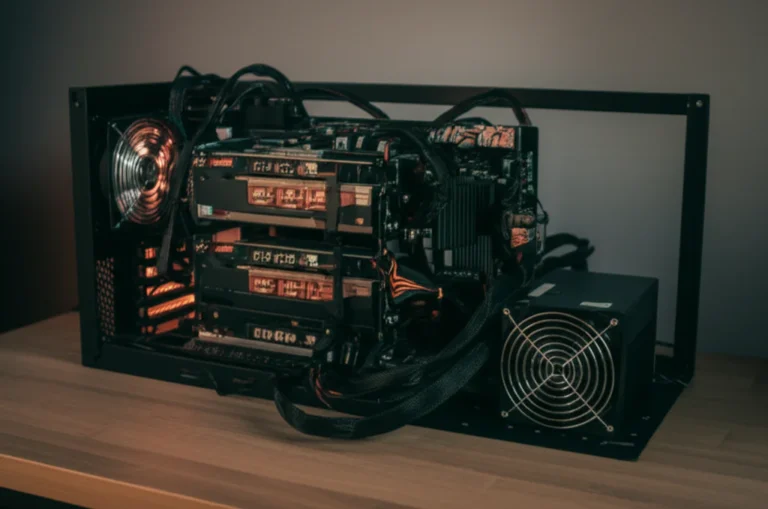
- GPU rigs offer flexibility and can mine various coins, especially altcoins, but require technical know-how and space.
- Mining pools are your friends — they smooth out the unpredictable rewards and increase steady payouts.
- Crypto mining is evolving fast — Ethereum’s move to Proof of Stake (PoS) shook GPU mining profitability, so stay updated!
- Environmental impact matters — mining rigs generate heat and consume power, so consider ventilation and sustainability.
For a detailed roadmap, check out our Crypto Mining at Home: 5 Steps to Success? ⚒️ guide.
Ready to dig deeper? Let’s unearth the history and mechanics behind this digital gold rush!
🏡 The Allure of Home Crypto Mining: A Brief History & Evolution

Crypto mining at home started as a hobbyist’s dream — a way to earn digital coins with your personal computer. Back in Bitcoin’s early days (2009–2012), anyone with a decent CPU could mine and earn rewards. Fast forward to today, and mining has transformed into a high-stakes game dominated by industrial-scale farms with specialized ASIC hardware.
The Early Days: CPU & GPU Mining
- CPU mining was the norm initially, but as Bitcoin’s network difficulty increased, CPUs became obsolete.
- Enter GPU mining — graphics cards designed for gaming proved excellent at hashing algorithms, opening the door for altcoin mining and hobbyists.
- The rise of GPU mining communities sparked innovation and experimentation, with rigs built in basements and garages worldwide.
ASIC Revolution & Industrial Mining
- ASICs (Application-Specific Integrated Circuits) are chips designed solely for mining specific cryptocurrencies like Bitcoin.
- ASICs brought massive efficiency gains but priced out casual miners due to cost and noise.
- Large mining farms emerged, often located where electricity is cheap (e.g., China, Iceland, Texas).
Home Mining Today: Niche Hobby or Side Hustle?
- Despite industrial dominance, home mining persists as a niche hobby and side hustle.
- Enthusiasts experiment with altcoins, GPU rigs, and renewable energy setups.
- The community shares tips, software, and pooling strategies to stay profitable.
Want to know how mining actually works under the hood? Let’s break it down!
⛏️ Unearthing the Basics: How Does Crypto Mining Actually Work?
At its core, crypto mining is the process of validating transactions and securing a blockchain network by solving complex cryptographic puzzles. Miners compete to find a solution, and the winner earns a block reward — a certain amount of cryptocurrency.
The Mining Process in a Nutshell
- Transaction Verification: Miners bundle pending transactions into a block.
- Proof of Work (PoW): They race to solve a cryptographic puzzle — essentially finding a hash below a target value.
- Block Addition: The first miner to solve the puzzle broadcasts the block to the network.
- Reward: The miner receives a block reward (e.g., Bitcoin’s current reward is 3.125 BTC per block) plus transaction fees.
Key Terms to Know
| Term | Explanation |
|---|---|
| Hash Rate | The speed at which a miner can perform hashing operations (measured in TH/s or MH/s). |
| Difficulty | A network parameter adjusting the puzzle complexity to maintain block time (~10 minutes BTC). |
| Block Reward | The cryptocurrency amount awarded for mining a block. |
| Mining Pool | A group of miners combining resources to increase chances of earning rewards. |
| ASIC | Specialized hardware designed for mining a specific algorithm efficiently. |
| GPU | Graphics Processing Unit, versatile hardware used for mining various cryptocurrencies. |
Mining is like a digital lottery where your chances improve with more hashing power. But beware — the difficulty adjusts dynamically, so what’s profitable today might not be tomorrow.
Curious how this translates to your home setup? Let’s tackle the million-dollar question…
💰 The Great Debate: Is Home Crypto Mining Still Profitable?
Profitability is the heart of the matter. Can you really turn your living room into a money-making machine? The answer: it depends — on hardware, electricity, coin choice, and market conditions.
1. Key Factors Influencing Home Mining Profitability
- Electricity Costs: The single biggest expense. U.S. average rates hover around $0.13–$0.15/kWh, but some states and countries pay much less or more.
- Hardware Efficiency: Hash rate per watt determines how much crypto you can mine per unit of energy.
- Cryptocurrency Prices: Mining rewards are paid in crypto, so market volatility impacts your fiat earnings.
- Network Difficulty: Higher difficulty means more competition and lower chances of earning rewards.
- Pool Fees & Payout Schemes: Mining pools charge fees (1–3%) but offer steadier payouts.
2. The Hardware Hustle: ASICs vs. GPUs for Home Miners
| Hardware Type | Pros | Cons | Best For |
|---|---|---|---|
| ASIC Miner | High hash rate, energy efficient | Expensive, noisy, limited coin choice | Bitcoin, Litecoin mining |
| GPU Rig | Flexible, supports many coins | Lower efficiency, higher power usage | Ethereum alternatives, altcoins |
| CPU Mining | Very low cost, easy to start | Extremely low profitability | Experimental, niche coins |
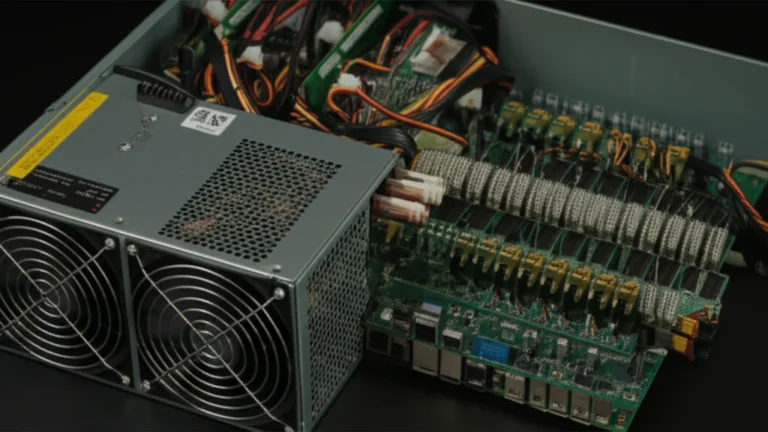
ASICs like Bitmain’s Antminer S19 Pro deliver up to 110 TH/s but can cost thousands and generate significant noise and heat. Meanwhile, GPU rigs built with Nvidia RTX 3080 or AMD RX 6800 XT cards are popular for altcoin mining but consume more power per hash.
3. Powering Your Profits: Understanding Electricity Costs
Electricity bills can turn a profitable rig into a money pit. Here’s a quick example:
| Scenario | Hash Rate | Power Consumption | Electricity Cost (per kWh) | Daily Cost | Daily Revenue | Profit/Loss |
|---|---|---|---|---|---|---|
| GPU Rig (6x RTX 3070) | ~360 MH/s | ~1200 W | $0.13 | $3.74 | $4.50 | +$0.76 |
| ASIC Miner (Antminer S19) | 110 TH/s | 3250 W | $0.13 | $10.14 | $9.00 | -$1.14 |
Note: Revenue varies with crypto prices and difficulty.
4. Navigating Network Difficulty & Crypto Price Volatility
Mining difficulty adjusts roughly every two weeks to keep block times steady. When more miners join, difficulty rises, squeezing profits. Price dips can also make mining unprofitable overnight.
5. The Hidden Costs & Unexpected Challenges of Home Mining
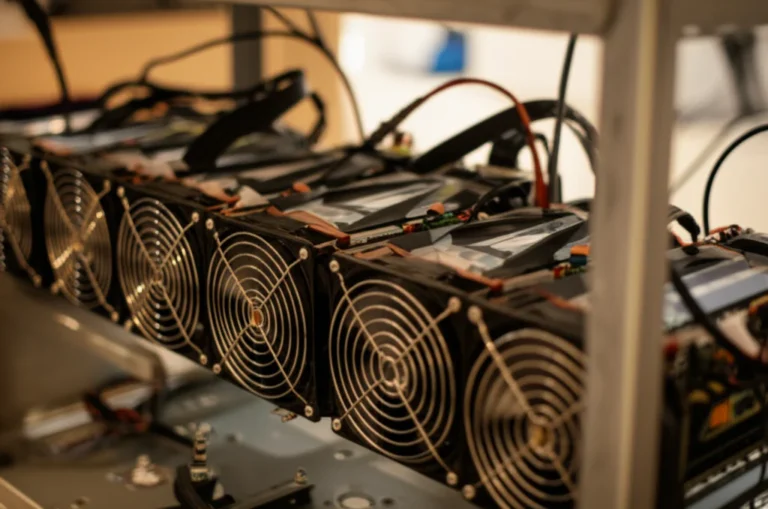
- Heat & Noise: Mining rigs generate heat and noise, requiring good ventilation and soundproofing.
- Hardware Lifespan: Constant 24/7 operation shortens component life.
- Setup Complexity: Requires technical skills for rig assembly, software configuration, and troubleshooting.
- Regulatory Risks: Some regions impose taxes or restrictions on mining activities.
In short, home mining can be profitable but demands careful planning and ongoing management.
🛠️ Setting Up Your Home Mining Command Center
Ready to roll up your sleeves? Here’s how to build your mining empire step-by-step.
6. Essential Gear: What You Really Need to Start Mining
- Mining Hardware: ASIC miner or GPU rig (Nvidia RTX 3060 Ti, RTX 3070, AMD RX 5700 XT are popular).
- Power Supply Unit (PSU): High-quality, efficient PSU matching your rig’s power needs.
- Motherboard & CPU: For GPU rigs, a motherboard with multiple PCIe slots and a compatible CPU.
- RAM & Storage: Minimal RAM (8GB) and SSD for OS and mining software.
- Cooling & Ventilation: Fans, air conditioning, or even liquid cooling to keep temps down.
- Internet Connection: Stable, low-latency connection for uninterrupted mining.
- Mining Software: Options include NiceHash, CGMiner, PhoenixMiner, or BFGMiner.
- Mining Pool Account: Join pools like Slush Pool, F2Pool, or Ethermine for steady payouts.
7. Step-by-Step: Building Your First Home Mining Rig
- Choose Your Hardware: Decide between ASIC or GPU based on budget and coin choice.
- Assemble Components: Install GPUs on motherboard, connect PSU, attach cooling solutions.
- Install OS: Use Windows or Linux tailored for mining (e.g., Hive OS).
- Configure Mining Software: Input pool info, wallet address, and tweak performance settings.
- Test & Monitor: Run benchmarks, monitor temps, hash rates, and power consumption.
- Optimize: Adjust fan speeds, overclock GPUs carefully for better efficiency.
8. Software & Pools: Connecting to the Crypto Network
Mining software translates your hardware’s hashing power into network work. Pools combine miners’ efforts and distribute rewards proportionally.
-
Popular Pools:
- Slush Pool (Bitcoin)
- Ethermine (Ethereum)
- F2Pool (Multi-coin)
-
Mining Software Examples:
- NiceHash (easy for beginners, auto-switches coins)
- CGMiner (powerful, command-line)
- PhoenixMiner (Ethereum-focused)
🔍 Beyond Bitcoin: Exploring Other Profitable Home Mining Opportunities
Bitcoin mining grabs headlines, but it’s not the only game in town. Let’s explore other coins and methods that might suit your home setup better.
9. Is Bitcoin Mining Profitable at Home in 2024?
Bitcoin mining at home is tough due to ASIC dominance and high difficulty. Unless you have access to cheap electricity and top-tier ASICs like the Antminer S19 Pro, profits are slim or negative.
However, some hobbyists mine Bitcoin for the thrill or as a long-term investment. Joining mining pools can smooth earnings but won’t guarantee profits.
10. GPU Mining Profitability: Beyond Ethereum’s PoS Shift
Ethereum’s recent switch to Proof of Stake (PoS) ended traditional GPU mining for ETH, shaking the market. But GPUs still mine other coins:
| Coin | Algorithm | Profitability Outlook | Notes |
|---|---|---|---|
| Ravencoin (RVN) | KawPow | Moderate | Popular GPU coin |
| Ergo (ERG) | Autolykos | Emerging | Good for mid-range GPUs |
| Flux (FLUX) | ZelHash | Growing | Focus on decentralized apps |
| Ethereum Classic (ETC) | Ethash | Viable | Fork of Ethereum, still PoW |
Mining altcoins can be profitable if you stay updated on market trends and switch coins as needed.
11. The Niche Players: CPU Mining & Other Altcoins
CPU mining is mostly obsolete for Bitcoin but still possible for coins like:
- Monero (XMR): Uses RandomX algorithm optimized for CPUs.
- Verus Coin (VRSC): CPU-friendly with hybrid PoW/PoS.
CPU mining can be a fun experiment or entry point but rarely yields significant profits.
📈 Maximizing Your Mining Returns & Minimizing Risks
Mining success isn’t just about hashing power — strategy and management matter.
12. Calculating Your ROI: Using Crypto Mining Profitability Calculators
Before investing, use online calculators to estimate profitability:
- WhatToMine — supports many coins and hardware types.
- CryptoCompare Mining Calculator — detailed cost inputs.
- BTC.com Mining Calculator — Bitcoin-specific.
Input your hardware specs, electricity cost, and pool fees to get realistic profit estimates.
13. Joining Forces: The Power of Mining Pools
Mining solo is like buying a lottery ticket; pools increase your odds and provide steady payouts.
- Pools charge fees (usually 1–3%) but reduce variance.
- Choose pools with good reputations, transparent payouts, and low latency.
- Some pools offer Pay-Per-Share (PPS) payouts for predictable income, others use proportional or score-based systems.
14. Cloud Mining: A Hands-Off Approach?
Cloud mining lets you rent hashing power from providers without owning hardware.
- Pros: No setup hassle, no noise or heat, instant start.
- Cons: Risk of scams, ongoing fees, lower profitability.
Popular platforms include Genesis Mining and Hashflare, but tread carefully and research thoroughly.
🌍 The Bigger Picture: Legal, Environmental, and Future Considerations
Mining isn’t just a technical or financial endeavor — it has broader implications.
15. Taxing Times: Understanding Crypto Mining Regulations
- Mining income is taxable in many countries as ordinary income or business income.
- Keep detailed records of mining rewards, expenses, and sales.
- Some jurisdictions require registration or licenses for mining operations.
- Consult a tax professional familiar with cryptocurrency laws.
16. The Carbon Footprint: Environmental Impact of Home Mining
Mining rigs consume significant electricity, contributing to carbon emissions unless powered by renewables.
- Some miners use solar panels or wind energy to offset impact.
- Heat generated can be repurposed for home heating in colder climates.
- Environmental concerns are driving innovation in energy-efficient mining hardware and alternative consensus mechanisms like PoS.
17. The Future Landscape: What’s Next for Home Miners?
- ASICs will continue dominating Bitcoin mining, but GPU mining may thrive with emerging altcoins.
- Energy efficiency and sustainability will shape hardware development.
- Regulatory clarity will affect mining legality and taxation.
- Home mining may evolve into a hobbyist niche or integrate with renewable energy projects.
Stay tuned to Coin Value™ Crypto Coin Mining for the latest trends and tips!
Ready to decide if home crypto mining is your next adventure? We’ll help you weigh the pros and cons in the conclusion!
✅ Conclusion: Is Home Crypto Mining Right for You?

So, is crypto mining profitable at home? The answer is a nuanced “it depends.” If you’re armed with the right hardware, have access to affordable electricity, and stay savvy about market trends, home mining can be a rewarding side hustle or hobby. However, it’s not a guaranteed goldmine — expect to invest time, money, and patience.
The Upside
- Potential for steady crypto income if you optimize your rig and join mining pools.
- Flexibility to mine various altcoins with GPU rigs, especially after Ethereum’s PoS shift.
- Learning experience and community engagement for crypto enthusiasts.
- Ability to repurpose mining heat for home warming in colder climates.
The Downside
- High upfront costs for ASICs or multi-GPU rigs.
- Electricity expenses can erode profits quickly, especially in high-rate areas.
- Noise, heat, and maintenance challenges require commitment.
- Market volatility and increasing difficulty can turn profits to losses overnight.
- Regulatory and tax complexities add layers of responsibility.
If you’re a tech-savvy enthusiast who enjoys tinkering and can handle the operational overhead, home mining remains a fascinating way to earn crypto and deepen your understanding of blockchain. For casual users or those with high electricity costs, it might be more practical to explore other crypto investment avenues.
Our recommendation: Start small, experiment with GPU mining or your existing PC, and use profitability calculators to track your progress. Stay informed, join mining communities, and be ready to pivot as the crypto landscape evolves.
🔗 Recommended Links for Aspiring Home Miners
Ready to gear up or dive deeper? Here are some top picks and resources to get you started:
Mining Hardware & Accessories
- Bitmain Antminer S19 Pro
- Nvidia GeForce RTX 3070 GPU
- AMD Radeon RX 6800 XT GPU
- Hive OS Mining Software
Books to Deepen Your Crypto Mining Knowledge
- Mastering Bitcoin by Andreas M. Antonopoulos — Amazon Link
- The Basics of Bitcoins and Blockchains by Antony Lewis — Amazon Link
- Crypto Mining Bible by David Walsh — Amazon Link
❓ Frequently Asked Questions (FAQ) About Home Crypto Mining

What equipment is needed for crypto mining at home?
To mine crypto at home, you’ll need either a dedicated ASIC miner (for Bitcoin and similar coins) or a GPU rig (for altcoins). A typical GPU rig includes a motherboard with multiple PCIe slots, several GPUs (like Nvidia RTX 3070 or AMD RX 6800 XT), a powerful PSU, RAM (8GB+), storage (SSD), cooling solutions, and stable internet. You’ll also need mining software (e.g., NiceHash, CGMiner) and a mining pool account to maximize your chances of earning rewards.
Read more about “How to Mine Cryptocurrency on PC: 10 Essential Tips for Success 🚀 …”
How much electricity does crypto mining use and what are the costs?
Mining rigs consume significant power — ASIC miners can use 1,200 to 3,500 watts, while GPU rigs vary depending on the number and model of GPUs. Electricity costs vary by location but typically range from $0.10 to $0.30 per kWh in the U.S. High electricity costs can quickly erode mining profits, so it’s crucial to calculate your local rates and factor them into your ROI analysis. Some miners offset costs with renewable energy or mine during off-peak hours.
What are the most profitable cryptocurrencies to mine at home?
Bitcoin mining at home is generally unprofitable without industrial ASICs and cheap electricity. After Ethereum’s switch to Proof of Stake, GPU miners have turned to altcoins like Ravencoin (RVN), Ergo (ERG), Flux (FLUX), and Ethereum Classic (ETC). CPU mining remains viable for coins like Monero (XMR) using the RandomX algorithm. Profitability depends on hardware, electricity, and coin market prices, so stay flexible and use profitability calculators.
Read more about “Crypto Mining at Home: 5 Steps to Success? ⛏️”
Can I mine cryptocurrency on my computer or do I need special hardware?
You can mine on a regular computer, especially for beginner experiments or low-difficulty coins, but profitability is usually very low. Special hardware like ASIC miners or GPUs dramatically improves hashing power and efficiency. For serious mining, investing in dedicated mining rigs is essential. Using your existing PC is a great way to learn and test the waters without upfront costs.
Read more about “Can You Mine Crypto Without Equipment? … 💻⛏️”
How long does it take to mine one bitcoin and is it worth the investment?
Mining one Bitcoin solo with home equipment is practically impossible today due to network difficulty and competition. Blocks are mined roughly every 10 minutes by the entire network, and rewards are split among miners in pools. Profitability depends on your hash rate, electricity costs, and Bitcoin price. Many miners calculate “days to payback” to estimate how long it takes to recoup hardware costs, which can range from months to years. Use calculators like BTC.com Mining Calculator for personalized estimates.
Read more about “Will Crypto Coins Rise Again? 12 Insights You Can’t Miss … 🚀”
What are the risks and challenges of mining cryptocurrency at home?
Home mining involves risks such as high electricity bills, hardware failures, noise and heat management, and fluctuating crypto prices. Regulatory changes and tax obligations can also impact your operation. Additionally, mining hardware can become obsolete quickly as new, more efficient models arrive. It requires technical skills for setup and troubleshooting, and the environmental impact is a growing concern.
Read more about “Computer for Crypto Mining: Unleash the Power of Your Machine …”
Are there any tax implications or legal considerations for crypto mining at home?
Yes. In many countries, mining income is taxable as ordinary income or business income. You must report mined coins’ fair market value at the time of receipt and keep records of expenses for deductions. Some jurisdictions require licenses or have restrictions on mining activities. Always consult a tax professional knowledgeable in cryptocurrency laws to ensure compliance.
Read more about “How to Mine Bitcoin at Home for Free: 7 Smart Strategies! 💡 …”
How can I reduce the environmental impact of home crypto mining?
Consider using renewable energy sources such as solar or wind power to run your mining rigs. Efficient cooling systems and repurposing heat generated by miners for home heating can also reduce environmental footprint. Staying informed about energy-efficient hardware and supporting coins with less energy-intensive consensus mechanisms helps promote sustainability.
Read more about “🚀 Top 10 Crypto Mining Apps to Boost Your Earnings (2025)”
📚 Reference Links & Resources
- Investopedia: Is Bitcoin Mining Still Profitable?
- Bitmain Antminer Official Website
- Nvidia GeForce RTX 30 Series
- AMD Radeon RX 6000 Series
- Hive OS Mining Platform
- WhatToMine Profitability Calculator
- Slush Pool Bitcoin Mining
- Ethermine Ethereum Mining Pool
- CryptoCompare Mining Calculator
For more insights and updates on crypto mining and coin values, explore our Crypto Coin Mining category at Coin Value™. Happy mining!