Support our educational content for free when you purchase through links on our site. Learn more
💎 Coin Value Secrets: 15 Rare Finds & The Ultimate 2026 Guide

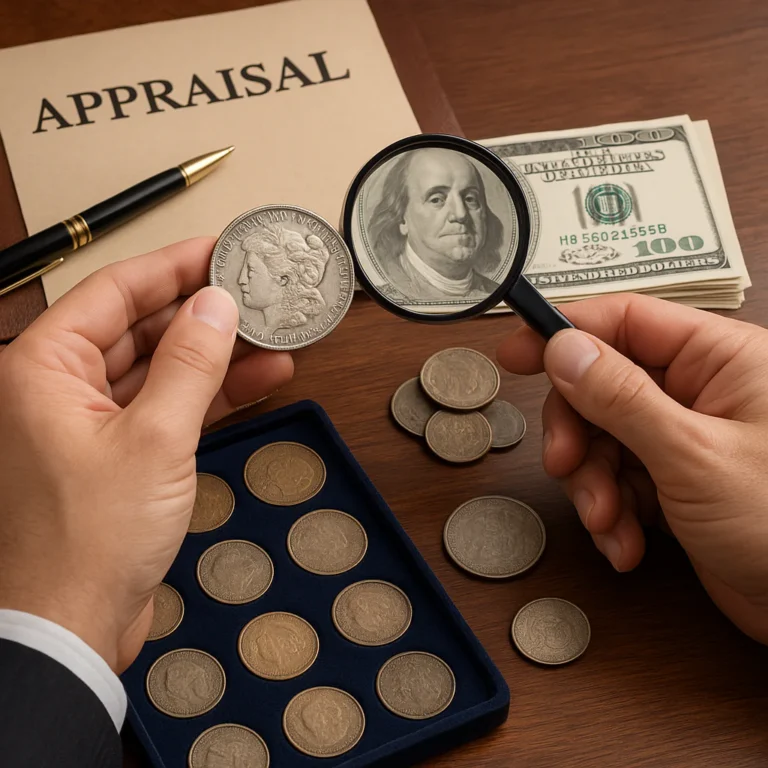
Have you ever rumaged through a dusty jar of change, wondering if that crumpled penny or bent quarter was actually a ticket to a new car? We certainly have! At Coin Value™, we’ve seen collectors turn a $5 pocket change haul into a $5,0 windfall simply by knowing what to look for. But here’s the twist: most people are walking around with hidden treasures in their wallets, completely unaware because they’re relying on outdated price guides or shiny, cleaned-up fakes.
While there are plenty of apps that claim to identify your coins instantly, true coin value isn’t just about a quick photo scan; it’s about understanding the intricate dance between rarity, condition, and market demand. In this comprehensive guide, we’re going beyond the basics to reveal the 15 most valuable coins you might already own, expose the common mistakes that destroy value, and show you exactly how to spot a mint mark that could change your life. By the end of this article, you’ll know why a simple “cleaning” can turn a fortune into pocket lint and how to navigate the 2026 market like a pro.
Ready to stop guessing and start knowing? Let’s dive into the world where history meets wealth.
Key Takeaways
- Condition is King: A coin’s grade (from Poor to Mint State) is often more important than its age; a common date in MS-65 can be worth 10x more than a rare date in poor condition.
- Never Clean Your Coins: Artificial cleaning destroys the natural patina and can reduce a coin’s value by up to 90%; always leave the surface alone.
- Check the Mint Mark: Small letters like D, S, or W can turn a common coin into a key date worth thousands.
- Verify with Sold Listings: Don’t trust asking prices; look at eBay Sold Listings and professional auction results to find the real market value.
- Spot the Errors: Double dies, off-center strikes, and wrong metal planchets (like the 1943 Copper Penny) are among the most valuable finds in circulation.
Table of Contents
- ⚡️ Quick Tips and Facts
- 📜 A Brief History of Numismatics: From Ancient Drachmas to Modern Commemoratives
- 🔍 How to Determine Coin Value: The Ultimate Guide to Grading and Pricing
- 💰 Top 10 Most Valuable Coins in Circulation You Might Have Missed
- 🏆 The Holy Grails: 15 Rarest and Most Expensive Coins Ever Sold
- 🇺🇸 United States Coin Values: A Deep Dive by Era and Mint Mark
- 🌍 Global Treasures: International Coin Values and Foreign Currency Collecting
- 📱 Best Coin Identifier Apps and Digital Tools for Instant Valuation
- 🛒 Where to Buy and Sell: Trusted Marketplaces, Auctions, and Dealers
- 🧐 Common Mistakes That Destroy Your Coin’s Value (And How to Avoid Them)
- 📊 Understanding Coin Grading Scales: From Poor to Mint State Explained
- 🔬 The Science of Patina: Why Tarnish Can Sometimes Mean More Money
- 📈 Investment Strategies: Is Collecting Coins a Good Hedge Against Inflation?
- ❓ Frequently Asked Questions About Coin Value and Authentication
- 🔗 Recommended Links and Resources for Serious Collectors
- 📚 Reference Links and Industry Standards
- 🏁 Conclusion: Your Journey to Numismatic Riches Starts Here
⚡️ Quick Tips and Facts
Welcome to the treasure hunt, folks! Before we dive into the deep end of numismatic waters, let’s get our feet wet with some hard-hitting truths that could turn your pocket change into a fortune. Here at Coin Value™, we’ve seen everything from a lucky penny to a million-dollar mistake, and we’re here to share the secrets.
- The “Circulation” Myth: Just because a coin looks old doesn’t mean it’s valuable. In fact, most old coins are worth exactly what they say on the face—unless they have a specific mint mark, a rare error, or are in pristine condition.
- Don’t Clean Your Coins! This is the golden rule of numismatics. Cleaning a coin with polish, vinegar, or even a magic eraser can permanently destroy its value. A natural, original patina is worth far more than a shiny, scratched surface.
- The “Sold” Listings Secret: Never look at the asking price on eBay or other marketplaces. Those are just dreams. The real value is found in Sold Listings, which show what people actually paid. We’ll show you exactly how to use this later!
- Silver is King (Sometimes): If you have US coins minted before 1965, they likely contain 90% silver. Their value is often tied to the spot price of silver, meaning they have a “floor” value even if they aren’t rare.
- Grading is Everything: A coin in Mint State (MS) condition can be worth 10x more than the same coin in Good (G) condition. The difference between a “scratch” and a “bump” is the difference between a coffee fund and a down payment on a house.
Pro Tip: If you want to skip the guesswork and get a head start, check out our guide on 🔍 10 Best Free Coin Value Lookup Tools & Tips (2026) to see which digital tools can help you sort your stash instantly.
📜 A Brief History of Numismatics: From Ancient Drachmas to Modern Commemoratives

You might think collecting coins is a modern hobby, but numismatics (the study and collection of currency) is as old as money itself. The term comes from the Greek nomisma, meaning “current coin.”
The Dawn of Coinage
The story begins around 60 BC in Lydia (modern-day Turkey), where the first official coins were struck from electrum, a natural alloy of gold and silver. These weren’t just money; they were political statements, bearing the images of kings and gods.
- Ancient Greece: The Athenian Owl tetradrachm became the “dollar” of the ancient world, widely accepted from Egypt to India.
- Roman Empire: The Denarius was the backbone of the Roman economy for centuries, though inflation eventually turned it into a silver-washed copper coin.
- The Middle Ages: As empires fell, coinage became fragmented. Kings would often debase their currency, reducing the precious metal content to pay for wars, leading to wild fluctuations in coin value.
The American Journey
Fast forward to 1792, when the Coinage Act established the United States Mint. The first coins, the Fugio Cent and the Flowing Hair Dollar, set the stage for a rich history of American numismatics.
- The Gold Rush: The discovery of gold in California in 1848 led to a surge in gold coin production, including the rare $20 Double Eagle.
- The Great Depression: In 193, President Roosevelt recalled gold coins from circulation, making many of them incredibly rare and valuable today.
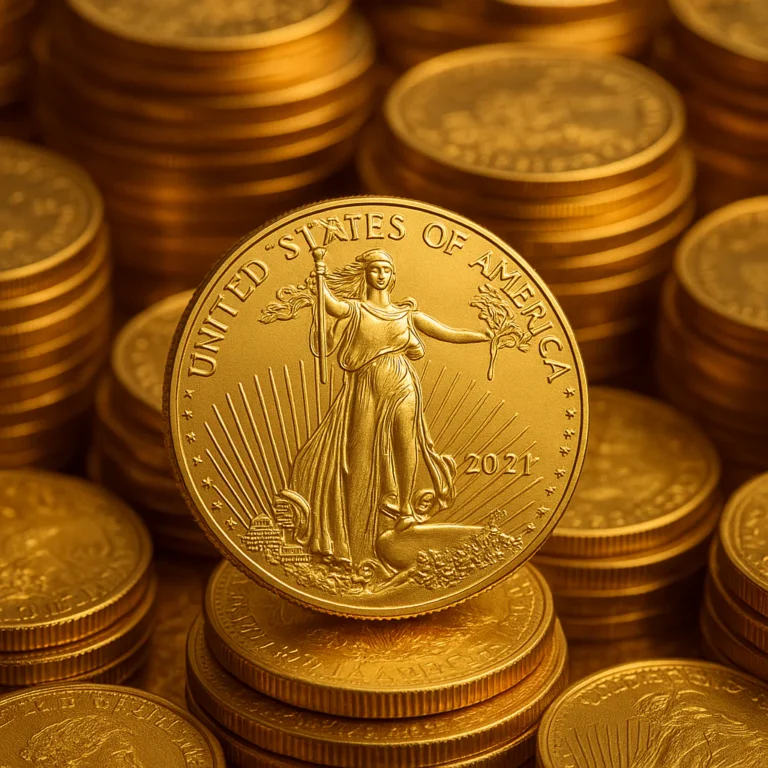
- Modern Commemoratives: Today, the US Mint issues Silver Eagles, Gold Eagles, and various State Quarters, blending investment value with historical storytelling.
Did You Know? The 193 Double Eagle is one of the most famous coins in history. Most were melted down, but a few survived, with one selling for over $18 million in 2021! You can read more about Gold Coins and their historical significance on our site.
🔍 How to Determine Coin Value: The Ultimate Guide to Grading and Pricing
So, you’ve found a coin. Now what? Determing coin value is a mix of science, art, and a little bit of detective work. It’s not just about looking at a chart; it’s about understanding the market dynamics.
The Three Pillars of Valuation
- Condition (Grading): This is the most critical factor. A coin in Mint State (MS-65) is worth exponentially more than one in Very Good (VG-8).
- Rarity: How many were made? How many survive? A common date in a rare condition can be worth more than a rare date in poor condition.
- Demand: Is anyone actually buying this coin? A coin might be rare, but if no one wants it, the value is low.
Step-by-Step Valuation Process
Step 1: Identify the Coin
You need to know exactly what you have. Look for:
- Date: The year of minting.
- Mint Mark: A small letter indicating where it was made (e.g., P for Philadelphia, D for Denver, S for San Francisco).
- Design: The portrait, the reverse image, and any unique features.
Step 2: Assess the Condition
This is where it gets tricky. You need to look for:
- Wear: Are the high points of the design flat?
- Luster: Does the coin have its original mint shine?
- Marks: Are there scratches, dents, or hairlines?
- Color: Is the toning natural or artificial?
Step 3: Consult Reliable Sources
Don’t rely on a single source. Cross-reference:
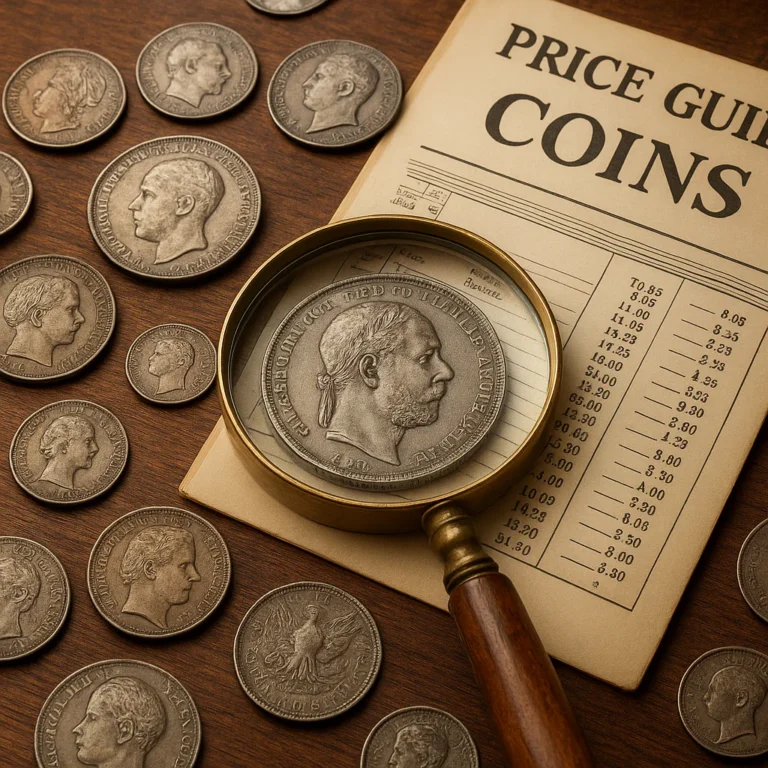
- NGC Price Guide: Great for certified coins.
- PCGS CoinFacts: Excellent for historical data and population reports.
- eBay Sold Listings: The real-world market test.
Warning: Be wary of “price guides” that haven’t been updated in years. The coin market is volatile, and values can change overnight based on metal prices or collector trends.
The Role of Professional Grading
If you think you have a valuable coin, consider sending it to a professional grading service like PCGS or NGC. They will:
- Authenticate the coin.
- Assign a grade on the Sheldon Scale (1-70).
- Encapsulate it in a protective “slab.”
This process adds a layer of trust and liquidity, often increasing the coin’s value significantly.
💰 Top 10 Most Valuable Coins in Circulation You Might Have Missed
Here’s the kicker: You might have a fortune in your pocket right now. While most coins are worth face value, some rare errors and key dates slip through the cracks and end up in circulation. Here are the top 10 you should be hunting for.
- 1943 Copper Penny: Most 1943 pennies were made of steel due to the war, but a few copper ones were minted by mistake. These are worth hundreds of thousands of dollars.
- 195 Double Die Obverse Penny: A famous error where the date and motto are doubled. It’s a must-have for any serious collector.
- 1932-D Washington Quarter: The first year of the Washington Quarter, with a low mintage. It’s a key date in the series.
- 1916-D Mercury Dime: One of the rarest and most valuable dimes, with a low mintage of just 264,0.
- 1970-S Proof Small Date Lincoln Cent: A rare variety of the 1970-S cent, found only in proof sets.
- 1942/1 Mercury Dime: An overdate error where the “1” is visible under the “2”.
- 1964-D Kennedy Half Dollar: While common in lower grades, high-grade examples can be quite valuable.
- 1914-D Lincoln Cent: Another key date with a low mintage, often found in circulated condition.
- 1909-S VDB Lincoln Cent: The first Lincoln cent with the designer’s initials (VDB) on the reverse.
- 194 Steel Penny: A rare error where a steel planchet was used instead of copper.
Note: Finding these in circulation is like finding a needle in a haystack, but it happens! Always check your change, especially for dates around the Great Depression and World War II eras.
🏆 The Holy Grails: 15 Rarest and Most Expensive Coins Ever Sold
If you’re dreaming of the big score, these are the holy grails of numismatics. These coins have set records at auction and are the stuff of legend.
| Rank | Coin Name | Year | Key Feature | Approx. Value (Record Sale) |
|---|---|---|---|---|
| 1 | 193 Double Eagle | 193 | Stolen from the Mint, unique legal status | $18,90,0+ |
| 2 | 1794 Flowing Hair Silver Dollar | 1794 | First US silver dollar | $10,016,875 |
| 3 | 1804 Draped Bust Silver Dollar | 1804 | “King of American Coins” | $7,680,0 |
| 4 | 1913 Liberty Head Nickel | 1913 | Only 5 known examples | $4,560,0 |
| 5 | 1894-S Barber Dime | 1894 | Only 24 minted, 9 known | $1,97,50 |
| 6 | 1787 Brasher Doubloon | 1787 | Private gold coin, EB hallmark | $9,360,0 |
| 7 | 1907 Saint-Gaudens Ultra High Relief | 1907 | Artistic masterpiece, low mintage | $4,60,0 |
| 8 | 1870-S Seated Liberty Dollar | 1870 | Only 1 known example | $3,0,0+ |
| 9 | 1802 Draped Bust Half Dollar | 1802 | Extremely rare early issue | $1,80,0 |
| 10 | 1893-S Morgan Silver Dollar | 1893 | Key date in the Morgan series | $1,20,0 |
| 1 | 1927-D Saint-Gaudens Double Eagle | 1927 | Low mintage, high demand | $1,0,0+ |
| 12 | 1873-CC Seated Liberty Dime | 1873 | Carson City mint, rare date | $80,0+ |
| 13 | 191-D Indian Head Quarter Eagle | 191 | Low mintage gold coin | $750,0+ |
| 14 | 1870-S Seated Liberty Half Dime | 1870 | Extremely rare, only 1 known | $60,0+ |
| 15 | 1893-S Morgan Silver Dollar (Proof) | 1893 | Proof version of the key date | $50,0+ |
Fun Fact: The 193 Double Eagle was never officially released. Most were melted down, but a few escaped, leading to a legal battle with the US government that lasted decades.
🇺🇸 United States Coin Values: A Deep Dive by Era and Mint Mark
The US coin market is vast, with values varying wildly based on era, mint mark, and condition. Let’s break it down by the major series.
The Early Republic (1793-1850)
- Large Cents: The first US coins, made of copper. Values range from a few hundred to tens of thousands depending on condition.
- Half Dimes & Dimes: Silver coins from the early days. The 1796 Draped Bust is a key date.
- Half Dollars: The 1804 Draped Bust is a legendary rarity.
The Classic Era (1850-190)
- Morgan Dollars: The most popular silver dollar series. Key dates include 1893-S and 1921.
- Barber Coinage: Quarters, dimes, and half dollars with a common design. The 1894-S Barber Dime is a holy grail.
- Indian Head Cents: Replaced the Large Cent. The 1909-S VDB is the most famous.
The Modern Era (190-Present)
- Mercury Dimes: Known for their winged Liberty design. The 1916-D is the key date.
- Walking Liberty Half Dollars: Beautiful design, but common in lower grades.
- Washington Quarters: Started in 1932. The 1932-D and 1932-S are key dates.
- Kennedy Half Dollars: Introduced in 1964. The 1964 and 1970-S are valuable.
Understanding Mint Marks
- P (Philadelphia): No mint mark on most coins until 1980.
- D (Denver): Often produces lower mintage coins, making them more valuable.
- S (San Francisco): Known for proof coins and low mintage business strikes.
- W (West Point): A newer mint, known for limited edition coins.
Insider Tip: Always check the mintage figures for a specific date and mint. A low mintage doesn’t guarantee high value, but it’s a good starting point. You can find detailed Coin Values for every US series on our site.
🌍 Global Treasures: International Coin Values and Foreign Currency Collecting
While US coins get all the glory, the world is full of hidden gems. Collecting foreign coins can be a rewarding and affordable way to build a diverse collection.
Why Collect Foreign Coins?
- History: Each coin tells a story about the country’s history, culture, and politics.
- Affordability: Many foreign coins are much cheaper than their US counterparts.
- Variety: From ancient Roman denarii to modern commemorative issues, the variety is endless.
Top Regions to Explore
- Europe: The Euro has replaced many national currencies, but pre-Euro coins like the German Mark and French Franc are still collectible.
- Asia: Coins from China, Japan, and India offer a rich history of ancient and modern numismatics.
- South America: The Brazilian Real and Argentine Peso have interesting modern issues.
- Africa: Coins from South Africa and Nigeria often feature unique designs and precious metals.
Key Considerations
- Condition: Foreign coins can be harder to grade due to different minting standards.
- Authenticity: Be wary of counterfeits, especially for rare ancient coins.
- Market Demand: Some countries have a strong collector base, while others are niche.
Did You Know? The 1907 Mexican 8 Escudos is one of the most valuable gold coins in the world, with a record sale of over $1 million!
📱 Best Coin Identifier Apps and Digital Tools for Instant Valuation
In the digital age, you don’t need a magnifying glass and a dusty reference book to identify your coins. AI-driven apps have revolutionized the hobby, making it easier than ever to get instant valuations.
Top Coin Identifier Apps
1. Coin Identifier – Coin Value
This app uses advanced AI to identify coins from around the world. Simply take a photo, and it provides:
- Country of origin
- Issue year
- Numismatic specifications
- History info
- Pricing details
Pros:
- Fast and accurate identification.
- Global support for coins from all countries.
- Collection management features.
Cons:
- Requires a good photo for best results.
- Some advanced features may require a subscription.
Try it out: You can download the Coin Identifier app directly from the Google Play Store to start your collection journey.
2. PCGS CoinFacts
The official app of the Professional Coin Grading Service. It offers:
- Detailed coin information.
- High-resolution images.
- Price guides and population reports.
Pros:
- Trusted by professionals.
- Extensive database of US coins.
Cons:
- Limited to US coins.
- Some features require a subscription.
3. NGC Coin Explorer
The official app of the Numismatic Guaranty Company. It provides:
- Coin identification.
- Price guides.
- Population reports.
Pros:
- Reliable data from a top grading service.
- User-friendly interface.
Cons:
- Primarily focused on US and Canadian coins.
- Some features are behind a paywall.
How to Use These Apps Effectively
- Clean Your Coin: Gently wipe the coin with a soft cloth to remove dirt.
- Take a Clear Photo: Use good lighting and focus on the details.
- Compare Results: Cross-reference the app’s results with other sources.
- Check Sold Listings: Use eBay to see what similar coins have sold for.
Pro Tip: Don’t rely solely on apps. They are great for a quick estimate, but for high-value coins, always consult a professional.
🛒 Where to Buy and Sell: Trusted Marketplaces, Auctions, and Dealers
Now that you know what you have, where do you go to buy or sell? The coin market is vast, but not all platforms are created equal.
Online Marketplaces
- eBay: The largest marketplace for coins. Great for both buying and selling. Use Sold Listings to gauge value.
- Etsy: Good for vintage and antique coins, but be cautious of fakes.
- Amazon: Offers a wide range of coins, but prices can be inflated.
Auction Houses
- Heritage Auctions: One of the largest and most reputable auction houses for rare coins.
- Stack’s Bowers: Known for high-end auctions and expert cataloging.
- GreatCollections: Specializes in certified coins and offers a “Buy It Now” option.
Local Dealers and Coin Shows
- Local Coin Shops (LCS): Great for building relationships and getting expert advice.
- Coin Shows: Events where dealers and collectors gather to buy, sell, and trade.
Tips for Buying and Selling
- Do Your Research: Know the value of the coin before you buy or sell.
- Check Grading: Always buy graded coins from reputable services like PCGS or NGC.
- Beware of Fakes: Counterfeits are common, especially for rare coins.
- Negotiate: Don’t be afraid to negotiate prices, especially at coin shows.
Warning: Avoid buying coins from unknown sellers on social media. Always verify the seller’s reputation and the coin’s authenticity.
🧐 Common Mistakes That Destroy Your Coin’s Value (And How to Avoid Them)
Even the most experienced collectors make mistakes. Here are the top pitfalls to avoid to protect your investment.
1. Cleaning Your Coins
The Mistake: Using polish, vinegar, or other chemicals to make the coin shine.
The Consequence: Permanent damage to the surface, reducing the value by up to 90%.
The Fix: Leave the coin alone. A natural patina is valuable.
2. Overgrading
The Mistake: Assuming your coin is in better condition than it actually is.
The Consequence: Overpaying for a coin or selling it for less than it’s worth.
The Fix: Use a magnifying glass and compare your coin to high-resolution images of graded coins.
3. Ignoring Mint Marks
The Mistake: Not checking the mint mark, which can drastically change the value.
The Consequence: Missing out on a valuable key date.
The Fix: Always check the mint mark before making a decision.
4. Buying Without Research
The Mistake: Buying a coin without knowing its value or rarity.
The Consequence: Overpaying or buying a fake.
The Fix: Use multiple sources to verify the value and authenticity.
5. Storing Improperly
The Mistake: Storing coins in plastic bags or humid environments.
The Consequence: Tarnish, corrosion, and damage.
The Fix: Use acid-free holders and store in a cool, dry place.
Remember: A coin’s value is in its original condition. Any alteration, no matter how well-intentioned, can be fatal to its numismatic worth.
📊 Understanding Coin Grading Scales: From Poor to Mint State Explained
Grading is the backbone of numismatics. It’s the language that collectors use to describe a coin’s condition. The Sheldon Scale ranges from 1 (Poor) to 70 (Perfect Mint State).
The Sheldon Scale Breakdown
| Grade | Description | Key Characteristics |
|---|---|---|
| 1 (P) | Poor | Heavily worn, details barely visible. |
| 2-3 (FR) | Fair | Major details visible, but heavily worn. |
| 4-6 (AG) | About Good | Design elements visible, but worn. |
| 8-10 (G) | Good | Major design elements visible, but worn. |
| 12-15 (VG) | Very Good | Some details visible, but worn. |
| 20-35 (F) | Fine | Most details visible, but some wear. |
| 40-45 (VF) | Very Fine | Sharp details, light wear. |
| 50-58 (EF/AU) | Extremely Fine/About Uncirculated | Light wear on high points, original luster. |
| 60-62 (MS-60) | Mint State | No wear, but may have marks or hairlines. |
| 63-64 (MS-63) | Choice Mint State | Few marks, good eye appeal. |
| 65-67 (MS-65) | Gem Mint State | Minimal marks, excellent eye appeal. |
| 68-70 (MS-68+) | Perfect Mint State | No visible flaws, perfect eye appeal. |
Why Grading Matters
- Value: A coin in MS-65 can be worth 10x more than one in MS-60.
- Liquidity: Graded coins are easier to sell because the condition is verified.
- Trust: Grading services like PCGS and NGC provide a level of trust that ungraded coins lack.
Pro Tip: If you’re unsure about a coin’s grade, consider sending it to a professional grading service. The cost is often worth the increase in value.
🔬 The Science of Patina: Why Tarnish Can Sometimes Mean More Money
We’ve all heard the warning: “Don’t clean your coins!” But why? The answer lies in the science of patina.
What is Patina?
Patina is a thin layer that forms on the surface of a coin over time. It can be:
- Natural: Formed by oxidation and exposure to the elements.
- Artificial: Created by cleaning or chemical treatment.
Why Natural Patina is Valuable
- Authenticity: A natural patina proves the coin hasn’t been tampered with.
- Beauty: Natural toning can create stunning colors, from blue to rainbow.
- Rarity: Some coins with unique toning are highly sought after.
The Danger of Artificial Patina
- Damage: Cleaning can remove the original surface, leaving scratches and hairlines.
- Value Loss: A cleaned coin can lose up to 90% of its value.
- Detection: Experts can easily spot artificial patina under magnification.
Fun Fact: Some of the most valuable coins in the world have beautiful natural toning. The 1804 Draped Bust Dollar is a prime example, with its stunning rainbow toning.
📈 Investment Strategies: Is Collecting Coins a Good Hedge Against Inflation?
In an era of economic uncertainty, many investors are turning to alternative assets like coins. But is collecting coins a good hedge against inflation?
The Case for Coins
- Tangible Asset: Coins are physical assets that can’t be devalued by digital manipulation.
- Historical Performance: Precious metal coins have historically held their value during inflationary periods.
- Diversification: Adding coins to a portfolio can reduce overall risk.
The Risks
- Volatility: The coin market can be volatile, with values fluctuating based on demand.
- Liquidity: Selling a rare coin can take time, especially if it’s not graded.
- Storage Costs: Proper storage and insurance can add to the cost of ownership.
Strategies for Success
- Focus on Quality: Buy high-grade coins with strong demand.
- Diversify: Don’t put all your eggs in one basket.
- Long-Term Hold: Coins are a long-term investment, not a get-rich-quick scheme.
Expert Opinion: While coins can be a good hedge against inflation, they should be part of a diversified portfolio. Don’t go all-in on coins without doing your research.
❓ Frequently Asked Questions About Coin Value and Authentication
Got questions? We’ve got answers. Here are the most common questions we get at Coin Value™.
What are the best resources for coin collectors to track coin values?
The best resources include the NGC Price Guide, PCGS CoinFacts, and eBay Sold Listings. These provide real-time data on what coins are actually selling for.
How do metal prices influence coin values?
For coins made of precious metals like silver and gold, the spot price of the metal sets a “floor” value. If the metal price goes up, the coin’s value usually follows.
Can coin value increase over time and why?
Yes, coin values can increase over time due to rarity, demand, and condition. As more coins are lost or damaged, the remaining supply decreases, driving up prices.
What are the most valuable collectible coins?
The most valuable coins include the 193 Double Eagle, 1794 Flowing Hair Dollar, and 1804 Draped Bust Dollar. These are the “holy grails” of numismatics.
How does coin grading impact coin value?
Grading has a massive impact on value. A coin in MS-65 can be worth 10x more than one in MS-60. The difference between a “scratch” and a “bump” is the difference between a coffee fund and a down payment.
Where can I find the current market value of my coins?
You can find current market values on eBay Sold Listings, NGC Price Guide, and PCGS CoinFacts. These sources provide real-time data on what coins are actually selling for.
What factors affect the value of collectible coins?
The main factors are condition, rarity, demand, and metal content. A coin’s value is a combination of these factors.
How do you determine the value of a rare coin?
To determine the value of a rare coin, you need to:
- Identify the coin (date, mint mark, design).
- Assess its condition (grade).
- Check its rarity (mintage, population reports).
- Compare it to recent sales (eBay, auctions).
Can I sell my coins online and how do I find the best prices?
Yes, you can sell your coins online on platforms like eBay, Etsy, and GreatCollections. To find the best prices, research recent sales and consider getting your coins graded.
What are error coins and are they valuable?
Error coins are coins with mistakes made during the minting process, such as double dies, off-center strikes, or missing mint marks. Some error coins are extremely valuable, especially if they are rare and in good condition.
How can I start a coin collection and what are the basics to know?
To start a coin collection:
- Decide on a focus (US coins, world coins, errors, etc.).
- Learn the basics of grading and identification.
- Start with affordable coins to build your knowledge.
- Join a local coin club or online forum for advice.
How can I get my coins appraised for their value?
You can get your coins appraised by:
- Professional Grading Services: PCGS and NGC offer grading and appraisal services.
- Local Coin Dealers: Many dealers offer free appraisals.
- Auction Houses: Heritage Auctions and Stack’s Bowers can provide expert valuations.
What is the difference between coin grade and coin condition?
Condition refers to the physical state of the coin (wear, marks, luster). Grade is the numerical rating assigned to the condition on the Sheldon Scale (1-70).
Final Thought: Remember, the value of a coin is in its original condition. Any alteration, no matter how well-intentioned, can be fatal to its numismatic worth.
🔗 Recommended Links and Resources for Serious Collectors
Ready to take your collection to the next level? Here are some essential resources and tools to help you on your journey.
Essential Books
- “The Official Red Book: A Guide Book of United States Coins” by R.S. Yeoman: The bible of US coin collecting.
- “A Guide Book of United States Coins” by Kenneth Bressett: A comprehensive guide to US coins.
- “The Coin Collector’s Survival Manual” by Scott A. Travers: A practical guide to buying and selling coins.
Online Resources
- NGC Price Guide: NGC Price Guide
- PCGS CoinFacts: PCGS CoinFacts
- Coin Value Lookup Tools: 10 Best Free Coin Value Lookup Tools & Tips (2026)
- Coin Identifier App: Coin Identifier – Coin Value
Community and Forums
- Coin Community Forum: A vibrant community of collectors and dealers.
- Reddit r/coins: A great place to ask questions and share your collection.
- Numismatic News: The leading publication for coin collectors.
Shopping Platforms
- eBay: Search for Coins on eBay
- Etsy: Search for Vintage Coins on Etsy
- GreatCollections: Browse Coins on GreatCollections
Pro Tip: Always do your research before buying or selling. The coin market is full of opportunities, but also pitfalls. Stay informed and stay safe!
📚 Reference Links and Industry Standards
For those who want to dive deeper into the world of numismatics, here are some authoritative sources and industry standards.
Grading Standards
- PCGS Grading Standards: PCGS Grading Standards
- NGC Grading Standards: NGC Grading Standards
- Sheldon Scale: The standard grading scale for US coins, ranging from 1 to 70.
Market Data and Price Guides
- NGC Price Guide: NGC Price Guide
- PCGS CoinFacts: PCGS CoinFacts
- Coinflation: Coinflation – For calculating melt values of silver and gold coins.
Authentication and Security
- PCGS Security: PCGS Security
- NGC Security: NGC Security
- US Mint: US Mint – Official source for US coin information.
Mobile Apps and Tools
- Coin Identifier: Coin Identifier – Coin Value
- PCGS CoinFacts App: PCGS CoinFacts App
- NGC Coin Explorer: NGC Coin Explorer
Note: Always verify the authenticity of any coin before making a purchase. Counterfeits are common, especially for rare coins.