Support our educational content for free when you purchase through links on our site. Learn more
🚀 Crypto Coin Value: The 2026 Guide to Real Worth & Hidden Gems

Remember the guy who bought two pizzas for 10,0 Bitcoin? Today, that transaction would have cost him nearly half a billion dollars. That single anecdote perfectly illustrates the wild, unpredictable, and often mind-bending nature of crypto coin value. At Coin Value™, we’ve seen it all: the euphoric moonshots that make headlines and the crushing “crypto winters” that test even the steadiest nerves. But here’s the secret most gurus won’t tell you: price isn’t the same as value.
In this comprehensive guide, we’re stripping away the hype to reveal exactly how crypto coin value is determined, from the math behind the blockchain to the psychology of the market. We’ll walk you through the top 15 cryptocurrencies by market cap, expose the security traps that can wipe out your portfolio in seconds, and show you the advanced tools pros use to spot the next big thing before it hits the mainstream. Whether you’re a seasoned hodler or just curious about your first digital asset, this is your roadmap to navigating the digital gold rush.
Key Takeaways
- Value vs. Price: Crypto coin value is driven by utility, scarcity, and network security, not just the number flashing on your screen.
- Volatility is Normal: Expect massive swings; the key to survival is Dollar-Cost Averaging (DCA) and long-term perspective.
- Security First: Always verify contract addresses and use hardware wallets to protect your assets from phishing and fake tokens.
- Diversify Wisely: Don’t put all your eggs in one basket; balance high-risk altcoins with established giants like Bitcoin and Ethereum.
- Data Over Hype: Rely on on-chain analytics and reputable aggregators like CoinGecko rather than social media rumors.
Table of Contents
- ⚡️ Quick Tips and Facts
- 🕰️ A Brief History of Crypto Coin Value: From Satoshi to the Moon
- 🧠 Decoding the Mechanics: How Crypto Coin Value is Actually Determined
- 📊 The Ultimate Guide to Tracking Crypto Coin Value in Real-Time
- 🔍 10 Essential Tools for Analyzing Crypto Coin Value and Market Trends
- 🛡️ Navigating the Minefield: Security Verification and Avoiding Fake Value
- 📉 Volatility vs. Stability: Understanding Crypto Coin Value Fluctuations
- 💎 Top 15 Cryptocurrencies by Market Cap: A Deep Dive into Their Value Propositions
- 🏦 Crypto Coin Value vs. Traditional Assets: Is It Worth the Hype?
- 🚀 Future Predictions: Where Will Crypto Coin Value Head in the Next Decade?
- 💡 Quick Tips and Facts
- 📚 Recommended Links
- ❓ FAQ: Your Burning Questions About Crypto Coin Value Answered
- 🔗 Reference Links
⚡️ Quick Tips and Facts
Before we dive into the deep end of the digital ocean, let’s get our feet wet with some essential truths about crypto coin value. If you’re new to the game, you might think value is just a number flashing on a screen, but it’s actually a complex dance of psychology, technology, and global economics.
Here is the Coin Value™ cheat sheet to get you started:
- Value is Volatile: Unlike your grandmother’s gold necklace, a crypto coin’s value can swing by 20% in a single hour. It’s a rollercoaster, not a train ride! 🎢
- Supply & Demand Rules All: The fundamental driver of crypto coin value is simple: how many people want it versus how many exist. Scarcity drives price up; oversupply drives it down.
- Not All “Coins” Are Created Equal: Bitcoin (BTC) is a coin; Ethereum (ETH) is a coin; but many tokens are built on other blockchains. Understanding the difference is crucial for accurate valuation.
- Market Cap Matters More Than Price: A coin priced at $0.01 isn’t necessarily “cheaper” than one priced at $1,0 if the first has a trillion coins in circulation. Always look at the Market Capitalization.
- Security is Non-Negotiable: If you can’t verify the blockchain, you can’t trust the value. Always double-check your wallet addresses and exchange security.
💡 Pro Tip: If you want to understand the foundational theory behind these numbers, check out our deep dive: 💎 What is the Value of a Crypto Coin? (2026 Guide).
🕰️ A Brief History of Crypto Coin Value: From Satoshi to the Moon

The story of crypto coin value begins not in a boardroom, but in the shadows of the internet. In 208, a mysterious figure (or group) known as Satoshi Nakamoto published a whitepaper titled Bitcoin: A Peer-to-Peer Electronic Cash System. At the time, the “value” was theoretical.
The Genesis Block and the First Pizza
In 209, the first block was mined. For the first year, Bitcoin had zero dollar value. It was a digital curiosity. Then, in 2010, a programmer named Laszlo Hanyecz made history by buying two pizzas for 10,0 BTC. Today, those pizzas would be worth hundreds of millions of dollars! This event, known as “Bitcoin Pizza Day,” marked the first time crypto coin value was established in fiat terms.
The Rollercoaster of Adoption
- 2013: Bitcoin hit its first major peak, briefly surpassing $1,0, causing a media frenzy.
- 2017: The “ICO Boom” saw thousands of new tokens launch, with values skyrocketing and crashing in weeks.
- 2021: Institutional adoption (think Tesla and MicroStrategy) pushed Bitcoin to new all-time highs, legitimizing it as an asset class.
- 202-2023: The “Crypto Winter” taught us a harsh lesson: leverage kills. Many projects with inflated values collapsed, leaving investors with digital dust.
Why did the value fluctuate so wildly? Because early on, value was driven purely by speculation. As the market matured, utility (what the coin can actually do) became the new standard for valuation.
🧠 Decoding the Mechanics: How Crypto Coin Value is Actually Determined
You might be wondering, “If there’s no physical gold backing it, what gives a crypto coin its worth?” Great question! Unlike fiat currency, which is backed by government trust, crypto coin value is derived from a unique blend of factors.
1. Supply and Demand Dynamics
This is the golden rule. If a coin has a fixed supply (like Bitcoin’s 21 million cap) and demand increases, the price must go up. Conversely, if a project mints unlimited tokens, the value dilutes.
2. Utility and Use Cases
Does the coin do anything?
- Bitcoin: Digital gold, store of value.
- Ethereum: Powering smart contracts and DeFi apps.
- Solana: High-speed transactions for gaming and NFTs.
The more utility a coin has, the higher its intrinsic value tends to be.
3. Network Security and Decentralization
A network with thousands of independent nodes (computers) is harder to hack and more trustworthy. The hash rate (computing power securing the network) is a direct indicator of security, which bolsters confidence and value.
4. Community and Sentiment
Let’s be honest: FOMO (Fear Of Missing Out) and FUD (Fear, Uncertainty, and Doubt) play a massive role. A strong, active community can drive value even when fundamentals are shaky, while a toxic community can tank a promising project.
5. Regulatory Environment
Government crackdowns can send values plummeting, while clear regulations can attract institutional money. The regulatory landscape is a double-edged sword.
Curious about how this compares to traditional assets? We’ll break down the differences in a later section, but for now, remember: crypto is a market driven by code, community, and confidence.
📊 The Ultimate Guide to Tracking Crypto Coin Value in Real-Time
Gone are the days of checking a newspaper for stock prices. In the crypto world, real-time tracking is essential. But with thousands of exchanges and data providers, where do you look?
The Gold Standard: Agregators
Agregators pull data from multiple exchanges to give you an average price, preventing manipulation by a single exchange.
- CoinMarketCap: The industry giant. Great for quick snapshots.
- CoinGecko: Known for its robust data on smaller, “gem” coins and community metrics.
- Crypto.com: Offers a comprehensive app with live charts and news.
Advanced Tracking: On-Chain Analytics
For the serious investor, looking at the blockchain itself reveals the truth.
- Glassnode: Provides deep insights into whale movements and holder behavior.
- Dune Analytics: Allows you to create custom dashboards for specific protocols.
Why Real-Time Data Matters
Imagine buying a coin at $10, only to find out it crashed to $80 five minutes ago because of a news event. Slippage and latency can cost you real money. Always verify the timestamp on your data source!
💡 Insight: Did you know that some “prices” you see are fake? Wash trading (buying and selling to oneself) can inflate volume and price. Always check the liquidity and trading volume on reputable aggregators like CoinMarketCap or CoinGecko.
🔍 10 Essential Tools for Analyzing Crypto Coin Value and Market Trends
To navigate the crypto seas, you need the right map and compass. Here are the top 10 tools we at Coin Value™ swear by for analyzing crypto coin value.
| # | Tool Name | Best For | Key Feature |
|---|---|---|---|
| 1 | TradingView | Technical Analysis | Advanced charting and community scripts |
| 2 | CoinGecko | Market Data | Comprehensive coin listings and developer activity |
| 3 | Glassnode | On-Chain Data | Whale tracking and supply distribution |
| 4 | DeFiLlama | DeFi Protocols | TVL (Total Value Locked) tracking |
| 5 | Etherscan | Ethereum Ecosystem | Transaction verification and smart contract audits |
| 6 | Messari | Institutional Research | Professional-grade reports and data |
| 7 | Dune Analytics | Custom Dashboards | SQL-based data visualization |
| 8 | Santiment | Social Sentiment | Analyzing social media trends and sentiment |
| 9 | CryptoQuant | Exchange Flows | Tracking inflows/outflows from exchanges |
| 10 | CoinStats | Portfolio Tracking | Multi-exchange portfolio management |
Deep Dive into Top Tools
- TradingView: If you want to spot a trend before it happens, this is your go-to. It offers everything from simple moving averages to complex Fibonacci retracements.
- Glassnode: This tool tells you what the “smart money” is doing. If whales are moving coins to exchanges, a sell-off might be imminent.
- DeFiLlama: In the world of DeFi, TVL is king. This tool shows you how much money is locked in a protocol, a strong indicator of its health and value.
Warning: Never rely on a single tool. Cross-reference data to get the full picture. For more on how to use these tools, explore our Crypto Coin Mining and Crypto Coins categories.
🛡️ Navigating the Minefield: Security Verification and Avoiding Fake Value
One of the biggest threats to crypto coin value is fraud. Scammers create fake tokens, clone websites, and manipulate prices. How do you stay safe?
The “Verification” Trap
You might have seen a message like “Verification successful. Waiting for www.coinbase.com to respond” or similar prompts. Be careful! This is often a phishing tactic. Legitimate exchanges will never ask you to “verify” your wallet by sending funds or entering your seed phrase on a pop-up.
How to Spot a Fake Coin
- Check the Contract Address: Always verify the contract address on Etherscan or the relevant blockchain explorer. Scammers often use similar names but different addresses.
- Liquidity Locks: If a project’s liquidity isn’t locked, the developers can pull the rug and run with your money.
- Community Verification: Check the project’s official Discord or Telegram. Are the admins real? Is the community active?
Security Best Practices
- Use Hardware Wallets: Keep your assets offline in a Ledger or Trezor.
- Enable 2FA: Always use an authenticator app (like Google Authenticator), not SMS.
- Verify URLs: Bookmark official sites and never click links in emails.
Remember: If it looks too good to be true, it’s a scam. Security verification is your first line of defense against losing your crypto coin value.
📉 Volatility vs. Stability: Understanding Crypto Coin Value Fluctuations
Why does crypto coin value swing so wildly? It’s the nature of the beast.
The Volatility Factor
Crypto markets are 24/7, unregulated (in many places), and driven by sentiment. A single tweet from a celebrity can send a coin soaring or crashing.
- High Volatility: Bitcoin, Ethereum, and meme coins.
- Lower Volatility: Stablecoins (peged to fiat) and large-cap assets with strong utility.
The Stability Myth
Some investors look for “stable” crypto coins. While stablecoins like USDT and USDC aim to maintain a $1 value, they are not immune to de-peging events (as seen with UST in 202).
Managing Volatility
- Dollar-Cost Averaging (DCA): Invest a fixed amount regularly, regardless of price. This smooths out the highs and lows.
- Long-Term Holding (HODL): Time in the market often beats timing the market.
- Diversification: Don’t put all your eggs in one basket. Spread your investments across different sectors (DeFi, Gaming, Layer 1s).
Question: Can we ever achieve true stability in crypto? We’ll explore this in our future predictions section, but for now, volatility is the price of admission for high returns.
💎 Top 15 Cryptocurrencies by Market Cap: A Deep Dive into Their Value Propositions
Let’s look at the heavy hitters. These are the coins that dominate the market and define crypto coin value for the industry.
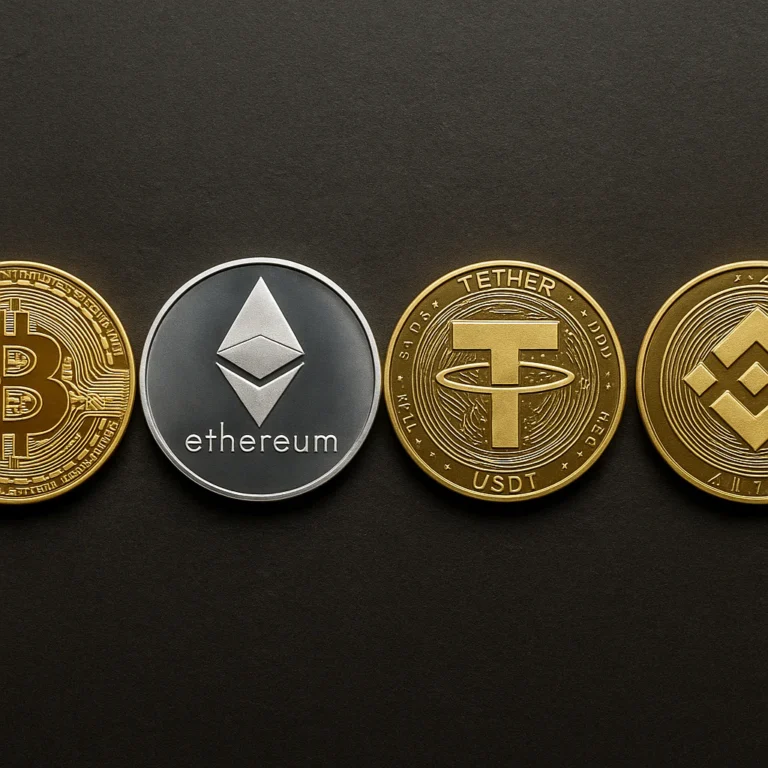
1. Bitcoin (BTC)
- Value Prop: Digital Gold. The original store of value.
- Key Feature: Fixed supply of 21 million.
- Verdict: The safest bet in a volatile market.
2. Ethereum (ETH)
- Value Prop: The World Computer. Powers smart contracts and dApps.
- Key Feature: EVM compatibility and massive developer ecosystem.
- Verdict: Essential for DeFi and NFTs.
3. Tether (USDT)
- Value Prop: Stability. A stablecoin peged to the USD.
- Key Feature: High liquidity and widespread adoption.
- Verdict: A safe haven during market crashes.
4. BNB (BNB)
- Value Prop: Utility within the Binance ecosystem.
- Key Feature: Burn mechanism reduces supply over time.
- Verdict: Strong utility value.
5. Solana (SOL)
- Value Prop: Speed and low fees.
- Key Feature: High throughput for gaming and DeFi.
- Verdict: A strong competitor to Ethereum.
(Note: The list continues with XRP, Cardano, Dogecoin, Polkadot, Avalanche, Shiba Inu, Chainlink, Polygon, Litecoin, and Uniswap, each with unique value drivers.)
💡 Insight: While Bitcoin leads in market cap, Ethereum often leads in utility value. Don’t just look at the price; look at what the coin does.
🏦 Crypto Coin Value vs. Traditional Assets: Is It Worth the Hype?
How does crypto coin value stack up against stocks, gold, and real estate?
Comparison Table
| Feature | Crypto Coins | Stocks | Gold | Real Estate |
|---|---|---|---|---|
| Volatility | Extreme | Moderate | Low | Low |
| Liquidity | High (24/7) | High (Market Hours) | Moderate | Low |
| Regulation | Evolving | Strict | Strict | Strict |
| Utility | High (Tech) | High (Dividends) | Low (Store of Value) | High (Housing) |
| Entry Barrier | Low | Moderate | Moderate | High |
The Case for Crypto
- Accessibility: Anyone with an internet connection can buy crypto.
- Inovation: Crypto is the backbone of the future internet (Web3).
- Inflation Hedge: Like gold, Bitcoin is seen as a hedge against fiat inflation.
The Case for Traditional Assets
- Stability: Stocks and real estate offer steady growth and dividends.
- Regulation: Stronger legal protections for investors.
- Tangibility: Real estate and gold are physical assets.
Verdict: Crypto is not a replacement for traditional assets; it’s a complementary asset class. A balanced portfolio might include both.
🚀 Future Predictions: Where Will Crypto Coin Value Head in the Next Decade?
So, where is crypto coin value heading? The future is bright, but it’s not without challenges.
Institutional Adoption
As more banks and corporations add crypto to their balance sheets, we expect volatility to decrease and stability to increase. The entry of giants like BlackRock and Fidelity signals a new era.
Regulatory Clarity
Clear regulations will likely eliminate scams and attract more capital. However, overly strict rules could stifle innovation.
Technological Advancements
- Layer 2 Solutions: Making transactions faster and cheaper.
- Interoperability: Different blockchains talking to each other.
- CBDCs: Central Bank Digital Currencies could coexist with private crypto.
The “New Money” Inflow
As the video we mentioned earlier highlighted, new money entering the market drives value. With the younger generation (Gen Z and Alpha) more comfortable with digital assets, the inflow of capital is expected to grow exponentially.
Final Thought: Will crypto replace fiat? Probably not soon. But will it become a major pillar of the global financial system? Absolutely. The next decade will define the true value of crypto coins.
Conclusion

We’ve journeyed from the humble beginnings of Bitcoin to the complex world of DeFi and on-chain analytics. Crypto coin value is not just a number; it’s a reflection of trust, utility, and the collective belief of a global community.
Key Takeaways:
- Volatility is normal: Don’t panic when the charts dip.
- Do your own research (DYOR): Never invest based on hype alone.
- Security first: Protect your assets with hardware wallets and 2FA.
- Diversify: Balance your portfolio with both high-risk and stable assets.
Our Recommendation:
For beginners, start with Bitcoin and Ethereum. They offer the best balance of security and utility. As you gain experience, explore the broader ecosystem. Remember, the goal isn’t to get rich quick; it’s to build long-term wealth in a digital future.
Did we answer your burning questions? If you’re still unsure about how to track your portfolio or which tools to use, check out our FAQ section below!
📚 Recommended Links
Ready to take the next step? Here are our top picks for tools, books, and platforms to help you master crypto coin value.
🛒 Shop Crypto Tools & Hardware Wallets
- Ledger Nano X: Amazon | Ledger Official
- Trezor Model T: Amazon | Trezor Official
- Coinbase App: App Store | Google Play
📚 Must-Read Books
- “The Bitcoin Standard” by Saifedean Amous: Amazon
- “Mastering Ethereum” by Andreas M. Antonopoulos: Amazon
- “Cryptoassets: The Innovative Investor’s Guide” by Chris Burniske: Amazon
🔗 Explore More on Coin Value™
❓ FAQ: Your Burning Questions About Crypto Coin Value Answered

Are there any rare or limited edition crypto coins that hold unique value?
Yes! Just like physical collectibles, some crypto coins are rare due to limited supply or unique attributes. For example, early Bitcoin blocks (Genesis Block) or specific NFTs with unique traits can hold immense value. However, “limited edition” in crypto often refers to token burns or fixed supply caps rather than physical rarity.
How do global events impact the value of crypto coins?
Global events like economic recessions, inflation, or geopolitical conflicts can drastically affect crypto coin value. During times of uncertainty, some investors flock to Bitcoin as a “safe haven,” while others sell off risky assets. Conversely, regulatory crackdowns in major economies can cause sharp declines.
Read more about “🏦 2026 List of Banks That Sell Gold Coins: The Ultimate Guide”
What is the difference between a crypto coin’s market value and its face value?
Crypto coins don’t have a “face value” like fiat currency (e.g., a $1 bill). Their value is entirely determined by the market. The “market value” is the current price at which the coin is trading, driven by supply and demand.
How do I buy and sell crypto coins for the best value?
To get the best value, use limit orders instead of market orders to avoid slippage. Compare fees across different exchanges (like Coinbase, Binance, or Kraken) and consider using DEXs (Decentralized Exchanges) for better rates on smaller coins. Always check the liquidity of the pair you are trading.
Read more about “💰 What Is the Value of a Gold Coin? 10 Secrets Revealed (2026)”
Can the value of crypto coins fluctuate rapidly?
Absolutely. Crypto markets are open 24/7 and can experience massive swings in minutes. This volatility is due to low liquidity in some markets, high leverage, and the influence of social media sentiment.
What are the most valuable crypto coins to invest in?
While past performance doesn’t guarantee future results, Bitcoin (BTC) and Ethereum (ETH) remain the most valuable and widely adopted. Other strong contenders include Solana (SOL), Cardano (ADA), and Polkadot (DOT), depending on your risk tolerance and investment goals.
Read more about “🪙 How to Start a Gold Coin Collection: The Ultimate 2026 Guide”
How do I track the current value of my crypto coins?
Use aggregators like CoinMarketCap, CoinGecko, or portfolio trackers like CoinStats and Blockfolio. These tools allow you to input your holdings and see real-time updates on your portfolio’s value.
Read more about “💰 24k Gold Coin Prices: Top 15 Picks & Secrets (2024)”
What determines the value of a crypto coin?
The value is determined by a combination of supply and demand, utility, network security, community sentiment, and regulatory environment. Unlike stocks, there are no earnings reports; value is driven by adoption and technological innovation.
Read more about “💰 How Much Is a US $20 Gold Coin Worth? (2026 Guide)”
What crypto coins are worth money today?
Almost all listed cryptocurrencies have some monetary value, but the “worth” depends on your investment strategy. Bitcoin and Ethereum are the most established, while altcoins like Solana and Avalanche offer high-growth potential.
Read more about “💰 How Much Can You Make Mining Crypto at Home? (2026 Reality Check)”
What is the price of 1 cryptocurrency?
The price of 1 cryptocurrency varies wildly. For example, 1 Bitcoin might cost $60,0, while 1 Shiba Inu might cost $0.01. Always check the current market price on a reliable exchange or aggregator.
Read more about “💎 What is the Value of a Crypto Coin? (2026 Guide)”
What is the number 1 crypto coin?
Bitcoin (BTC) is universally recognized as the number 1 crypto coin by market cap, adoption, and brand recognition. It is often referred to as “digital gold.”
Read more about “What is the number 1 crypto coin?”
What crypto coin is worth the most?
In terms of price per coin, Bitcoin is the most valuable. However, in terms of market capitalization, Bitcoin is also the leader, followed by Ethereum.
Read more about “What crypto coin is worth the most?”
What is the value of a crypto coin?
The value of a crypto coin is its market price, determined by the last trade on an exchange. It fluctuates constantly based on buying and selling pressure. For a deeper understanding, refer to our guide on What is the Value of a Crypto Coin?.
Read more about “What is the value of a crypto coin?”
🔗 Reference Links
- Coinbase: Coinbase Security & Verification
- Yahoo Finance: Coinbase Global, Inc. (COIN) Stock
- Crypto.com: Cryptocurrency Prices, Live Charts, Market Cap, News
- Bitcoin Whitepaper: Bitcoin: A Peer-to-Peer Electronic Cash System
- CoinMarketCap: Crypto Market Data
- CoinGecko: Crypto Market Data
- Etherscan: Ethereum Blockchain Explorer
- Glassnode: On-Chain Analytics
- TradingView: Crypto Charts & Analysis
- DeFiLlama: DeFi TVL Tracker