Support our educational content for free when you purchase through links on our site. Learn more
Error Coin Price Guide: Spot Real Mint Errors 🪙

An Error Coin Price Guide is most useful when it helps you identify the exact error and compare it with similar coins that have actually sold. A strange mark or unusual color isn’t proof of a valuable mint error—first determine whether the feature happened during production or came from damage afterward.
We’ve seen coins arrive at a show looking like they’d lost a chunk of metal, only for a closer look to reveal impact damage. That’s the fun (and humbling) part of error collecting: the coin’s physical clues matter more than the dramatic story attached to it.
Key Takeaways
- Identify the error before estimating value. Off-center strikes, clipped planchets, and wrong-planchet errors each need different comparisons.
- Separate mint errors from post-mint damage. Scratches, dents, and chemical changes can imitate production flaws.
- Compare completed sales—not hopeful asking prices. Match the coin’s type, error, condition, and authentication status as closely as possible.
- Condition and visibility both matter. A clear, dramatic error can attract interest, but grade alone doesn’t determine desirability.
- Get expert verification for unusual or potentially significant coins. Don’t clean, bend, or alter a suspected error before it’s examined.
Table of Contents
- ⚡️ Quick Tips and Facts About Error Coin Prices
- 🪙 Error Coins Explained: Mint Errors, Varieties, and Damaged Coins
- 📜 How U.S. Minting Errors Happen
- 💰 What Determines an Error Coin’s Value?
- Error Type, Rarity, and Collector Demand
- Condition, Grade, and Eye Appeal
- Authentication, Provenance, and Market Timing
- 📊 Error Coin Price Guide by Error Type
- Off-Center Strikes and Broadstrikes
- Double Strikes and Multiple Strikes
- Clipped Planchets and Raged Clips
- Wrong-Planchet and Off-Metal Errors
- Brockages, Capped Die Errors, and Die Caps
- Die Cracks, Cuds, and Die Breaks
- Lamination Flaws and Planchet Defects
- Die Doubling, Doubled Dies, and Machine Doubling
- Missing Clad Layers and Partial Plating Errors
- Mule Coins and Major Design Errors
- 🔎 How to Identify a Genuine Mint Error
- Tools for Examining Error Coins
- Mint Error or Post-Mint Damage?
- Common Alterations and Counterfeits to Avoid
- 🏅 Error Coin Grading and Third-Party Authentication
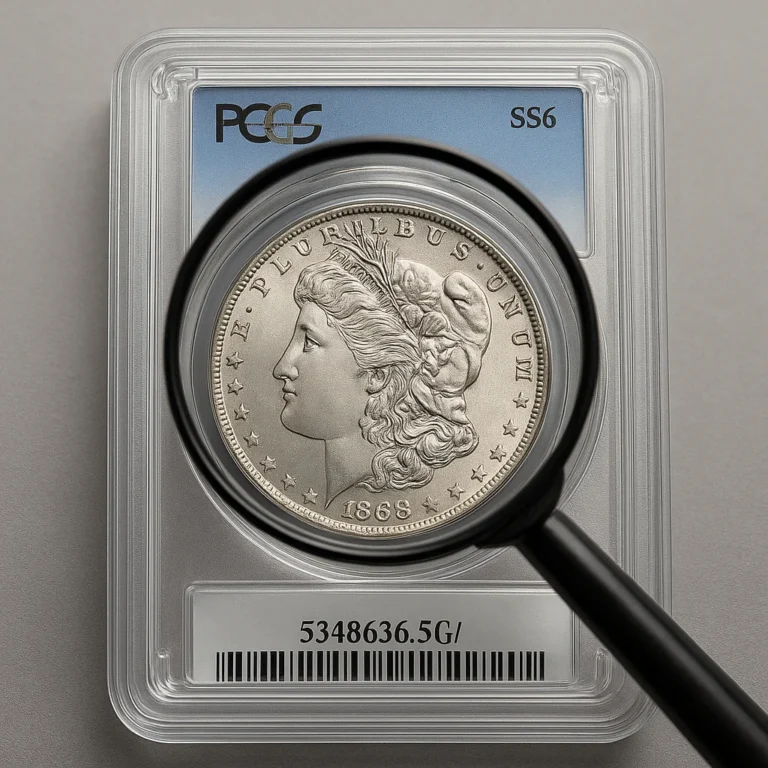
- When to Use PCGS, NGC, or ANACS
- How Coin Grading Affects Error Values
- 🛒 How to Check Error Coin Prices and Recent Sales
- Auction Records, Price Guides, and Sold Listings
- Why Asking Prices Aren’t Reliable Valuations
- 💵 Selling, Buying, and Insuring Error Coins
- Where to Buy or Sell Error Coins
- How to Photograph and Describe a Coin
- Safe Storage, Handling, and Insurance
- 🧰 What to Do If You Find a Possible Error Coin
- ❌ Error Coin Pricing Mistakes That Cost Collectors
- 🧭 Recommended Resources for Error Coin Collectors
- ✅ Conclusion: Getting a Realistic Error Coin Value
- 🔗 Recommended Links
- ❓ FAQ About Error Coin Values
- 📚 Reference Links
⚡️ Quick Tips and Facts About Error Coin Prices
If you’re comparing an unusual coin with a regular coin value, start by identifying the exact mint error—not just the dramatic-looking mark. A genuine error made during production can interest collectors; damage that happened after the coin left the Mint usually does not.
| Quick fact | What it means for collectors |
|---|---|
| “Error coin” is a broad term | It can describe a coin struck off-center, on the wrong planchet, with a clipped planchet, or affected by another verifiable production mistake. |
| Not every odd-looking coin is a mint error | Scratches, dents, corrosion, and many unusual shapes can result from circulation or deliberate alteration. |
| The type and severity matter | A clearly visible, dramatic error may attract more interest than a minor production irregularity. |
| Condition still counts | Wear and damage can affect desirability, but error coins are evaluated in light of both the error and the coin’s overall condition. |
| Comparable sales beat hopeful asking prices | Check completed sales for coins with the same denomination, error type, and similar condition. |
| Authentication can matter | For a potentially significant coin, seek an opinion from an experienced error-coin specialist or a recognized grading service such as PCGS or NGC. |
| Don’t clean or “improve” a find | Cleaning can leave scratches or residues and may make a coin less attractive to collectors. Handle it by the edges and store it safely. |
Our quick rule: identify, photograph, compare, then seek expert verification before making a buying or selling decision. You can explore more collecting basics in our Coin Collecting category.
🪙 Error Coins Explained: Mint Errors, Varieties, and Damaged Coins
A mint error is a coin produced with a mistake during the minting process. Errors can happen while preparing a blank, feeding it into a press, or striking it between dies. The U.S. Mint describes the basic stages of coin production; understanding those stages helps explain how an error can occur.
But here’s the catch: “unusual” doesn’t automatically mean “valuable.” A coin can look startling and still be damaged after leaving the Mint. Conversely, a small-looking feature may be a recognized collectible variety if it came from a particular die.
| Term | What it generally describes | Collector’s first question |
|---|---|---|
| Mint error | A production mistake affecting a coin or planchet | Is there evidence it happened at the Mint? |
| Die variety | A repeatable feature associated with a particular die, such as a doubled die | Is this a known variety, ordinary wear and machine doubling? |
| Post-mint damage (PMD) | Damage after manufacture, such as bending, grinding, or impact | Does the feature cut across or deform the original design? |
| Die deterioration | Changes caused by a worn or failing die | Is this a recognized collectible error, or normal die wear? |
Mint error versus die variety
The words are sometimes used loosely in everyday conversation, but collectors distinguish errors from varieties. An off-center strike is a manufacturing error. A doubled die is a die variety created when a design is doubled during die production. Machine doubling is different again: it can make lettering look doubled, but it is not the same thing as a doubled-die variety.
For a practical starting point, compare the feature with specialist resources such as NGC’s coin resources, PCGS CoinFacts, and the U.S. Mint’s collecting basics.
Why collectors are drawn to errors
Error coins are miniature production mysteries. One coin may show a blank crescent, another a second strike, and another the wrong metal entirely. Their appeal comes from the visible evidence of how something went wrong—and from how rare, dramatic, and verifiable that particular error is.
Our team has handled plenty of coins that looked “wrong” at first glance. The most useful habit we’ve picked up? Ask what process could have made the feature before asking what it might be worth.
📜 How U.S. Minting Errors Happen
A modern U.S. coin generally begins as metal strip. Blanks are punched from the strip, processed into planchets, and struck under pressure between dies. Errors can occur at several points in that sequence. The U.S. Mint’s coin-production overview provides the background; the table below connects production stages with the kinds of errors collectors may encounter.
| Production stage | What can go wrong | Possible result |
|---|---|---|
| Metal-strip preparation | A flaw or separation in the metal | Lamination or planchet defect |
| Blank punching | A blank is punched near the strip’s edge or partly overlaps a previous hole | Clipped planchet |
| Planchet preparation | A blank of the wrong composition or denomination enters production | Wrong-planchet or off-metal error |
| Feeding into the press | A planchet is not properly centered beneath the dies | Off-center strike |
| Striking | A coin sticks to a die, shifts, or receives an additional strike | Brockage, multiple strike, or other dramatic strike error |
| Die use and maintenance | A die cracks, breaks, or wears | Die crack, cud, or die-deterioration feature |
A simple way to picture it
Think of a coin press as a highly controlled stamping operation. The blank must arrive in the right place, the right dies must meet it, and the equipment must operate correctly. A disruption at any point can leave evidence on the finished coin.
That’s why a convincing error often has consistent physical characteristics, not just an interesting story. A coin allegedly struck on the wrong planchet, for example, should have physical properties that make sense for the claimed planchet. Weight and dimensions can offer clues, but they’re not authentication on their own.
💰 What Determines an Error Coin’s Value?
There isn’t one universal multiplier for “error.” A coin’s market interest depends on a combination of its error, rarity, visibility, condition, denomination, and buyer demand. That’s why two coins with roughly similar-looking mistakes can attract very different attention.
Error type, rarity, and collector demand
Collectors typically pay close attention to whether an error is recognized, scarce, and easy to understand visually. A dramatic wrong-planchet strike or a major off-center strike may be more compelling than a common, minor die crack. But rarity alone doesn’t guarantee strong demand: collectors need to recognize and trust what they’re buying.
Use specialist references and completed sales rather than assuming that every error category has a predictable value. Mint Error News publishes error-coin information, while PCGS CoinFacts and NGC provide broader coin-reference resources.
Condition, grade, and eye appeal
For ordinary coins, grade describes the coin’s state of preservation. Error coins require an added question: How clearly can you see and understand the error? A sharp, well-preserved coin with a prominent error may be more appealing than a heavily worn example of the same type. Still, a spectacular error may remain collectible despite wear.
Consider:
- Wear and surface preservation: Are the design and surfaces still clear?
- Error visibility: Can a buyer identify the error from clear photographs?
- Completeness: Does the coin retain enough design to establish what it is?
- Eye appeal: Does the error make the coin intriguing, or merely confusing?
- Damage: Are there scratches, bends, corrosion, or signs of alteration?
Authentication, provenance, and market timing
Authentication can reduce uncertainty, especially for unusual or potentially important pieces. A reputable grading service may attribute the coin and encapsulate it, but submission isn’t automatically worthwhile for every minor error. Review the service’s submission options and fees directly with PCGS or NGC before sending a coin.
Provenance—documentation of where a coin came from and its ownership history—can support confidence, though it does not replace physical examination. Market demand also changes: collector interest can shift with new discoveries, auction visibility, and the availability of comparable examples.
We’ve found it helpful to separate three questions:
- What is the coin?
- Is the error genuine and correctly identified?
- What have comparable examples actually sold for?
Keeping those questions separate helps prevent a dramatic description from doing the work of evidence.
📊 Error Coin Price Guide by Error Type
Use this section as an identification and comparison guide, not a fixed price list. Error-coin values are case-specific, and current realized sales are more useful than a broad label alone. CoinNews’ error coin guide points readers toward Mint Error News for descriptions, photographs, and sale information; use those references alongside documented auction results for comparable coins.
| Error type | What you may see | Useful first check |
|---|---|---|
| Off-center strike | Part of the design is missing, with a blank area opposite it | Is the date visible, and does the strike look consistent with a minting event? |
| Clipped planchet | A curved or straight section appears missing from the coin | Does the clip show physical features consistent with a blanking process? |
| Wrong planchet | A coin’s design appears on an unexpected planchet | Do weight, diameter, and composition support the claim? |
| Brockage | A mirrored or incuse design appears one side | Is the impression consistent with a coin-to-die transfer? |
| Die crack or cud | Raised lines or a raised blob appear in the design | Does the feature appear raised rather than cut into the surface? |
| Doubled die | Design elements show a repeated, spread appearance | Is it a recognized doubled-die variety, rather than machine doubling? |
| Missing clad layer | A copper-colored or otherwise unusual surface may be visible | Is the coin’s composition and weight consistent with a missing layer? |
| Multiple strike | Two or more impressions may overlap | Are the strikes and design details physically plausible? |
Off-center strikes and broadstrikes
An off-center strike occurs when the planchet is not properly positioned beneath the dies. The result may show a blank crescent and an incomplete design. The amount of missing design, whether the date remains visible, and the overall clarity all affect how collectors assess the piece.
A broadstrike occurs when the coin is struck without the normal restraining collar. It can appear wider and flatter than a regular coin. Don’t confuse a genuine broadstrike with a coin that was flattened or squeezed after leaving the Mint.
Double strikes and multiple strikes
A coin may receive more than one strike if it fails to eject properly or moves between strikes. Look for overlapping design elements and a coherent sequence of impressions. A coin that has been hit by a hammer or another object after minting can also show repeated-looking marks, so the pattern and metal flow matter.
When comparing a suspected multiple strike, examine both sides under magnification and photograph the coin at several angles. A single close-up can hide the clues that make the strike sequence understandable.
Clipped planchets and raged clips
A clipped-planchet coin is made from a blank affected by the blanking process. Clips may be curved, straight, or raged. A genuine curved clip can show a characteristic weakness in the rim opposite the clip, sometimes called the Blakesley effect. That feature can support an identification, but it should be assessed with the whole coin—not used as a one-clue verdict.
Wrong-planchet and off-metal errors
A wrong-planchet error occurs when a coin is struck on a planchet intended for another denomination or coin type. The coin may appear unusually small, light, thin, or oddly colored, depending on the metals involved.
Weight is a clue, not proof. A worn or damaged coin may weigh less, and household scales can be inaccurate. For a serious evaluation, compare dimensions and specifications with official coin information from the U.S. Mint and seek an expert opinion.
Brockages, capped die errors, and die caps
A brockage can occur when a struck coin sticks to a die and transfers a mirror-image impression onto a later planchet. The result may show an incuse or mirrored design one side. A die cap forms when a coin remains stuck to a die and subsequent strikes progressively distort it.
These errors can be visually dramatic, but dramatic appearance alone isn’t enough. Look for the expected shape, design transfer, and metal flow—and compare the coin with documented examples in specialist references such as Mint Error News.
Die cracks, cuds, and die breaks
A cracked die can leave a raised line on a coin. A cud is generally a raised area connected to the rim where part of the die has broken away. Smaller die cracks can be common, so their presence doesn’t automatically make a coin especially scarce.
A useful distinction: a crack caused by the die often leaves raised metal on the coin, while a scratch or cut usually creates a groove. Wear, lighting, and corrosion can complicate that check, so examine both sides carefully.
Lamination flaws and planchet defects
A lamination flaw occurs when a portion of the planchet’s metal separates or flakes. It may look like a peeled patch or a rough area. The flaw can be present before or during striking, so its shape and relation to the design matter.
A post-mint gouge can mimic a missing metal fragment. Check whether the exposed area has natural-looking metal flow and whether the surrounding design supports a production defect. If the surface appears freshly cut, sharply torn, or inconsistent with the coin’s original strike, be cautious.
Die doubling, doubled dies, and machine doubling
A doubled-die variety is created during die production and may show a distinct, repeated separation in letters, numbers, or design elements. Machine doubling is a different effect produced during the strike; it often looks flatter or shelf-like and is not the same collectible variety.
Before calling a coin a doubled die:
- Compare the exact date, mintmark, and design with a trusted variety reference.
- Inspect whether the doubling is consistent across the relevant design elements.
- Check specialist listings from Wexler’s Die Varieties and PCGS CoinFacts.
- Avoid treating every shadow or blurry edge as a rare variety.
Missing clad layers and partial plating errors
Some U.S. coins use a layered metal composition. A missing clad layer can leave one side with an unusual appearance, but circulation wear, chemical exposure, and intentional alteration may imitate the effect.
Compare the coin’s weight and surfaces with the specifications for that issue. Look for a consistent pattern of metal exposure, rather than relying only on color. A magnet test may help screen certain claims, but it cannot authenticate a coin by itself.
Mule coins and major design errors
A mule combines dies that were not intended to be paired together. Other major design errors can involve an incorrect die, denomination, or production pairing. These are unusual and can draw substantial collector attention, but they also deserve careful authentication because the stakes and risk of alteration are higher.
For a claimed major error, document the coin clearly and consult a specialist or recognized grading service before relying online claims. Reference pages such as PCGS CoinFacts and auction records from established firms can help establish whether similar examples are known.
🔎 How to Identify a Genuine Mint Error
A good identification combines physical evidence, reference comparison, and independent review. No single feature—color, weight, a magnet, or an online post—can prove a coin is a mint error on its own.
Tools for examining error coins
Start with simple, non-invasive tools:
- A bright, adjustable desk lamp
- A magnifier or loupe
- A digital scale with adequate precision
- A ruler or calipers for approximate measurements
- A phone or camera for clear photographs
- A soft, clean surface to prevent accidental scratches
A loupe can help reveal die details and surface texture, but magnification can also make ordinary marks look spectacular. Use good lighting and compare the coin with a known normal example of the same issue.
For general coin-care guidance, consult NGC’s coin-care resources. Avoid cleaning the coin or testing it with tools that could scratch, bend, or otherwise change it.
A step-by-step identification process
- Record the basics. Note denomination, date, mintmark, and any visible design differences.
- Photograph both sides. Include the edge if it may help identify a strike or planchet issue.
- Weigh and measure gently. Record the results, then compare them with published specifications from the U.S. Mint.
- Describe what is physically happening. Is the feature raised, incuse, missing, doubled, displaced, or discolored?
- Compare with reference examples. Use specialist resources such as Mint Error News, PCGS CoinFacts, and NGC.
- Check for post-mint damage. Look for tool marks, sharp cuts, bends, unusual scratches, or chemical changes.
- Seek an independent opinion. For a potentially significant coin, consult an experienced dealer, error-coin specialist, or grading service.
Mint error or post-mint damage?
Post-mint damage often disrupts the coin in ways that don’t fit the striking process. For example, a groove may cut through a design rather than raise metal around it; a bent coin may have distorted rims; and chemical exposure may discolor the surface without producing a plausible minting feature.
| Clue | More consistent with a mint error | More consistent with post-mint damage |
|---|---|---|
| Surface shape | Raised or displaced metal that fits a known error process | Gouges, cuts, dents, or flattened areas |
| Design interaction | Design elements altered in a coherent strike pattern | Marks cross design elements without a plausible production pattern |
| Metal flow | Deformation follows the strike or planchet feature | Metal looks scraped, crushed, or pushed by an external tool |
| Evidence across both sides | Related effects appear where the claimed error predicts | Damage appears isolated or inconsistent |
| Reference comparison | Similar documented examples exist | No comparable production explanation is evident |
These are clues, not a substitute for expert examination. Even experienced collectors can disagree when an unusual coin has been circulated, altered, or poorly photographed.
Common alterations and counterfeits to avoid
Be cautious of coins with added metal, filed edges, drilled holes, surface plating, or tool marks made to imitate an error. A fake error can start with a genuine ordinary coin and still be misleading.
✅ Do: Compare the coin with documented examples and request clear, unedited photographs.
❌ Don’t: Pay a premium based solely on a seller’s description, a viral post, or a dramatic claim.
✅ Do: Ask whether an independent expert has examined the coin.
❌ Don’t: Assume a third-party holder guarantees every detail of a seller’s story; check the service’s attribution and certification information.
🏅 Error Coin Grading and Third-Party Authentication
Grading and authentication can help buyers and sellers communicate about a coin’s condition and identity. For error coins, a grading service may also identify or describe the error. Certification can improve confidence, but it does not make every coin valuable, and not every coin needs to be submitted.
When to use PCGS, NGC, or ANACS
Consider professional evaluation when:
- The claimed error is unusual or difficult to verify.
- The coin may have substantial collector interest.
- Buyers are likely to expect third-party authentication.
- You need a documented attribution for a sale, collection, or insurance record.
Review current service details directly with PCGS, NGC, or ANACS. Services differ in submission procedures, attribution options, turnaround expectations, and fees. Confirm the relevant details before sending a coin.
How coin grading affects error values
Condition can influence demand, but error coins are not judged by grade alone. A collector may prefer a lower-grade coin with a bold, easily understood error over a higher-grade coin with a barely visible feature. On the other hand, strong preservation can help an error stand out and make the coin more appealing.
Think of value assessment as two related but distinct judgments:
- Coin condition: wear, marks, surfaces, and overall preservation
- Error quality: authenticity, size, clarity, rarity, and visual impact
Certification may reduce uncertainty, but a holder cannot replace comparison with recent sales. If you’re exploring other types of collectible money, our Gold Coins and Coin Values categories offer related collecting context.
🛒 How to Check Error Coin Prices and Recent Sales
A useful error coin price check starts with the closest comparable sale, not the first headline or listing you find. Try to match denomination, date, mintmark, error type, severity, condition, and authentication status as closely as possible.
Auction records, price guides, and sold listings
Use several sources, because each has limits:
- Specialist error references: Mint Error News offers articles, photos, and price-guide material related to mint errors.
- Coin auction archives: Established auction firms such as Heritage Auctions and Stack’s Bowers Galleries may provide searchable past results.
- Grading-service references: PCGS CoinFacts and NGC can help with coin identification and related market research.
- Completed marketplace sales: Look for actual completed transactions and verify that the listing describes the same kind of coin.
CoinNews’ error coin guide recommends identifying the error and checking recent selling prices for comparable pieces. That’s sound advice. The challenge is that online results may mix different error types, grades, and levels of authentication.
A practical comparison checklist
| Compare | Why it matters |
|---|---|
| Same coin type and date | A similar error on another issue may have a different collector base |
| Same error category | “Off-center” is not specific enough if the amount and design visibility differ |
| Similar error severity | A minor displacement may not compare well with a dramatic strike |
| Similar condition | Wear and damage can change buyer interest |
| Same authentication status | Certified and uncertified coins may attract different buyers |
| Completed sale, not asking price | A listing price records seller ambition, not necessarily a completed transaction |
Why asking prices aren’t reliable valuations
An asking price is a seller’s proposal. It may be optimistic, stale, or based on an incorrect identification. A completed sale provides stronger evidence of what one buyer paid under specific circumstances, although it still may not predict what another example will bring.
The two major competitor pages referenced by collectors illustrate another useful caution. A PCGS Errors price-guide page may show a security-verification screen to some visitors rather than usable listings. The Stack’s Bowers error-coin guide may likewise be inaccessible because of verification measures. A security screen is not evidence that the resource has no useful information; it means you may need to try another route, revisit later, or use the organization’s search function.
Price guides, specialist articles, and auction records serve different purposes. A guide helps with orientation; a specialist article explains error types; completed auctions offer transaction evidence. Trust the convergence of evidence, not a single number.
💵 Selling, Buying, and Insuring Error Coins
Error coins can be bought and sold through specialist dealers, auctions, coin shows, and online marketplaces. Each route has trade-offs: convenience, audience size, seller fees, buyer protection, expertise, and how much work you must do yourself.
Where to buy or sell error coins
| Channel | Potential advantage | What to check |
|---|---|---|
| Specialist coin dealer | Direct expertise and an opportunity to inspect in person | Ask how the error was identified and whether the dealer can explain the evidence |
| Established auction firm | Access to collectors and a documented sales process | Review consignment terms, fees, and how the coin will be described |
| Coin show | Face-to-face opinions and comparison with other coins | Get more than one opinion; don’t rush into a decision |
| Online marketplace | Broad access to listings and buyers | Verify seller history, photos, return terms, and certification details |
| Coin club | Community knowledge and referrals | Treat informal opinions as leads, not formal authentication |
For background on collecting practices, visit the American Numismatic Association’s coin-collecting resources. If you buy online, read the platform’s buyer-protection terms and save all documentation.
How to photograph and describe a coin
Clear documentation helps experts and potential buyers assess a coin without exaggeration.
- Photograph both sides in focus.
- Add a clear photo of the edge if the error affects the rim or planchet.
- Use even lighting; avoid filters and heavy image editing.
- Include the date and mintmark in close-ups.
- State what you observe without claiming more than you can verify.
- Share the coin’s weight and measurements only if you measured them carefully.
- Disclose scratches, cleaning, corrosion, or other damage.
A useful description says, for example, “suspected off-center strike; date visible; authentication not yet obtained.” It does not leap from “odd-looking” to “rare, valuable mint error” without supporting evidence.
Safe storage, handling, and insurance
Handle coins by the edges and keep them in a stable, dry environment. Use holders intended for coins, and avoid PVC-containing materials that can harm surfaces over time. For a valuable or historically significant collection, keep a record of the coin’s identification, photographs, purchase information, and any certification.
For insurance questions, check your existing policy and speak with your insurer; coverage can depend on how a collection is documented and stored. This is a general collecting precaution, not a substitute for policy-specific advice.
🧰 What to Do If You Find a Possible Error Coin
Found something odd in your change? Excellent—now resist the urge to announce that you’ve discovered the next famous rarity. A calm, documented check is more useful.
Your first steps
- Set it aside safely. Don’t clean it, polish it, bend it, or test it with a sharp tool.
- Record its identity. Note the date, denomination, mintmark, and where you found it.
- Take clear photographs. Capture both sides, the edge, and any unusual feature.
- Describe the feature neutrally. “Raised line near the date” is better than “rare die error.”
- Weigh and measure it if appropriate. Use gentle handling and reliable equipment.
- Compare it with trusted references. Start with the U.S. Mint’s coin specifications, Mint Error News, and recognized grading-service resources.
- Get another opinion. Ask an experienced error-coin dealer or submit to a grading service if the coin warrants it.
We once saw a circulated coin arrive at a show with a dramatic “missing piece.” Under a loupe, the edge showed signs of impact rather than a blanking error. It was still a good lesson in close examination: the story the metal tells matters more than the story attached to it.
❌ Error Coin Pricing Mistakes That Cost Collectors
- Treating every imperfection as a mint error. A scratch or dent can look unusual without being a production mistake.
- Using a seller’s asking price as proof of value. A listing is not a completed sale.
- Comparing different error types. Two coins both described as “off-center” may differ greatly in visibility, condition, and collector interest.
- Ignoring authentication. High-stakes claims deserve independent verification.
- Assuming a guide is always current. Market interest and available examples can change.
- Confusing a doubled die with machine doubling. They arise from different processes and should not be treated as interchangeable.
- Cleaning or altering the coin. Surface changes can complicate identification and hurt collector appeal.
- Relying one photo. Lighting and angles can hide damage—or make ordinary marks look extraordinary.
- Trusting weight alone. A scale can offer evidence, but it cannot prove the coin’s composition or minting history.
- Paying for a story rather than evidence. Ask what physical clues support the seller’s description.
The best protection is a repeatable process: identify, document, compare, verify, then evaluate recent sales.
🧭 Recommended Resources for Error Coin Collectors
Use these sources for different jobs: production basics, coin identification, specialist error descriptions, and market research.
| Resource | Best for |
|---|---|
| U.S. Mint: Coin Production | Understanding how coins are made |
| U.S. Mint: Coin Specifications | Checking official specifications and measurements |
| Mint Error News | Error-coin articles, images, and specialist information |
| PCGS CoinFacts | Coin identification and reference information |
| NGC Coin Collecting Resources | Collecting, grading, and coin-care guidance |
| American Numismatic Association | General collecting education and community resources |
| Heritage Auctions: Coins | Auction research and coin listings |
| Stack’s Bowers Galleries | Auction information and numismatic resources |
Reading price-guide evidence wisely
A specialist guide can help you recognize an error and find examples, while auction archives can show what comparable coins sold for. Neither is a substitute for examining your coin. If a reference page is blocked by security verification, try the organization’s homepage or site search, and corroborate any important claim with another reputable source.
For broader collecting topics, browse our Coin Collecting and Coin Values sections.