Support our educational content for free when you purchase through links on our site. Learn more
🪙 Coin Grade vs. Value: What’s the Real Difference?

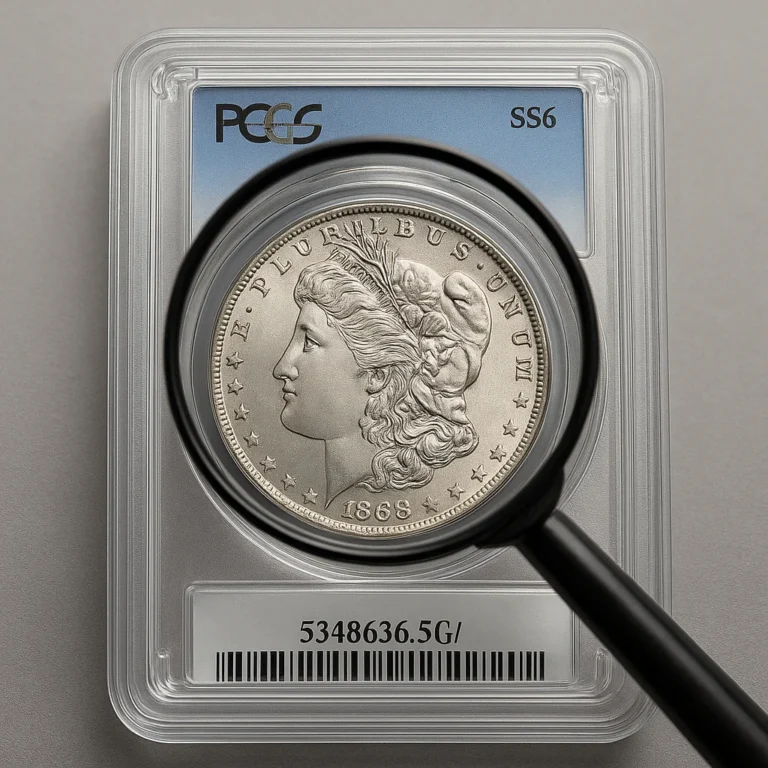
Coin grade describes a coin’s condition; coin value is what it’s worth in the market. So, what is the difference between coin grade and coin value? A grade can influence value, but it doesn’t determine it on its own. Rarity, demand, mint mark, eye appeal, and recent sales all play a part.
We’ve seen collectors focus on a dazzling high grade, only to discover that a more modestly graded rarity can be far more desirable. Think of grade as one ingredient in the recipe—not the whole dish. A common coin in superb condition may be worth less than a scarce coin showing plenty of honest wear.
That distinction is the key to researching, buying, and selling coins without mistaking a grading number for a guaranteed price. We’ll show you how condition and market value fit together, and what to check before trusting a price guide or listing.
Key Takeaways
- Grade measures condition; value estimates market worth. They’re related, but they are not interchangeable.
- A higher grade doesn’t always mean a higher value. Rarity and collector demand can outweigh condition.
- Identify the exact coin first. Date, mint mark, variety, authenticity, and surface condition can all affect its value.
- Compare recent sales of similar coins. A price guide is a useful starting point, not a promise of what you’ll receive.
- Don’t clean a collectible coin. Cleaning can damage its surfaces and reduce collector appeal.
Table of Contents
- ⚡️ Quick Tips and Facts: Coin Grade vs. Coin Value
- 🧭 Coin Grading and Value: The Basics and a Brief History
- 🔍 What Is the Difference Between Coin Grade and Coin Value?
- Coin grade explained: condition, preservation, and the Sheldon scale
- Coin value explained: market price, demand, and desirability
- How grade and value work together
- 📊 The Coin Grading Scale: From Poor to Mint State
- Circulated coin grades and wear
- About Uncirculated, Mint State, and proof coins
- Why a one-point grade difference can matter
- 💰 What Really Determines a Coin’s Value?
- Rarity, mintage, and surviving population
- Demand, popularity, and collector competition
- Date, mint mark, variety, and errors
- Metal content, historical significance, and eye appeal
- Original surfaces, toning, and damage
- 🪙 How to Grade a Coin: A Practical At-Home Assessment
- Tools for examining coins safely
- Where to look for wear, luster, and contact marks
- Why cleaning can lower a coin’s value
- 🏛️ Professional Coin Grading: PCGS, NGC, and Third-Party Services
- How coin authentication and encapsulation work
- When professional grading is worth considering
- Grading fees, turnaround, and choosing a service
- What a grading label does—and doesn’t—guarante
- 🔎 How to Find a Coin’s Value Without Guessing
- Identify the coin’s date, mint mark, and variety
- Compare grade-specific values and recent auction results
- Price guides, dealer offers, and actual selling prices
- 📅 A Collector’s Guide to Dating Coins and Finding Mint Marks
- Coins with no date or worn-off dates
- Foreign coins, calendar systems, and denomination clues
- ⚖️ Why the Same-Grade Coins Can Have Different Values
- Strike quality, luster, and eye appeal
- Special designations, pedigrees, and population reports
- Market timing and changing collector demand
- 🚫 7 Coin Grade vs. Value Misconceptions to Leave Behind
- 1. A higher grade always means a more valuable coin
- 2. Every old coin is rare
- 3. Face value equals collectible value
- 4. A price guide guarantees what a coin will sell for
- 5. Cleaning makes a coin look better and worth more
- 6. A grading-service holder guarantees a future profit
- 7. Two coins with the same grade must have the same value
- 🛡️ Buying and Selling Coins: Grade, Value, and Safe Transactions
- Questions to ask before buying a graded coin
- How to describe and sell a coin honestly
- Avoiding counterfeit coins and misleading listings
- 🧰 Quick Coin Grade and Value Checklist
- Conclusion
- Recommended Links
- FAQ
- Is coin grade the same as coin value?
- Does a higher coin grade always increase value?
- Can I estimate a coin’s grade at home?
- Should I get my coin professionally graded?
- Does cleaning a coin lower its value?
- Where can I check a coin’s current market value?
- Reference Links