Support our educational content for free when you purchase through links on our site. Learn more
Can I Buy Gold Coins as an Investment? (2026) 🪙

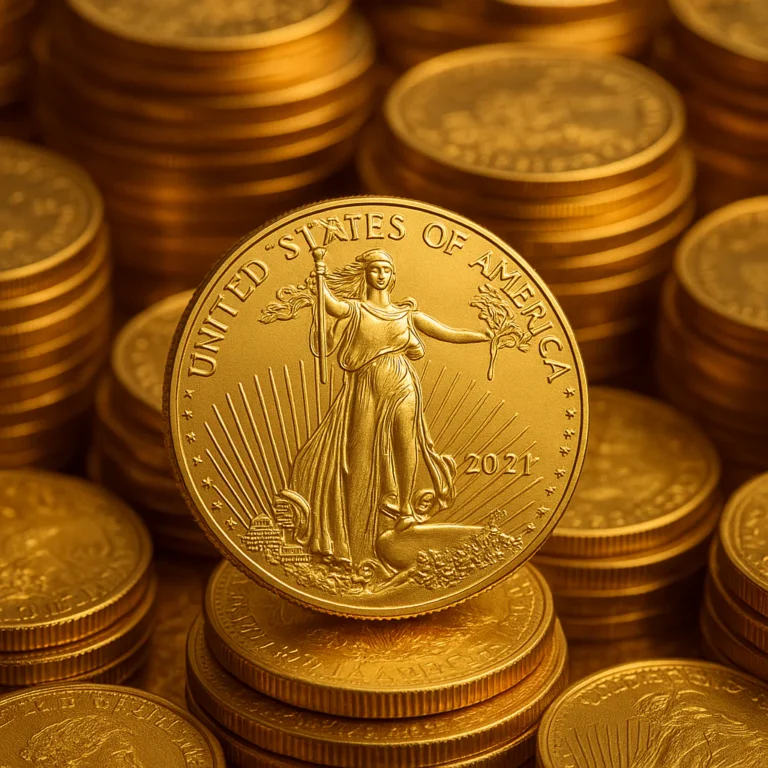
Yes, you absolutely can buy gold coins as an investment, but only if you stick to government-minted bullion and avoid the expensive traps of rare collectibles. Many new investors ask, “Can I buy gold coins as an investment?” without realizing that the answer hinges entirely on which coins they choose.
Imagine buying a shiny 193 Double Eagle for $20,0, only to find out it’s a gold-plated tungsten fake. We’ve seen it happen, and it’s a painful lesson that separates the savvy from the swindled.
Gold has preserved wealth for over 2,60 years, from the Lydians to modern portfolios, yet it still confuses people. The secret isn’t just owning the metal; it’s understanding the difference between a coin you can sell instantly and one you might hold for decades.
Key Takeaways
- ✅ Stick to Bullion: Focus on government-minted coins like American Eagles or Canadian Maples for pure investment value.
- ❌ Avoid Numismatics: Ster clear of “rare” collectible coins unless you are an expert, as they carry massive premiums.
- 💰 Watch the Premiums: Expect to pay 3% to 8% over the spot price for 1oz coins; fractional coins cost more.
- 🔒 Secure Storage is Mandatory: Never keep significant holdings at home without a TL-30 rated safe or a private vault.
- 📉 Understand the Tax: Be prepared for a 28% capital gains tax rate on profits in the US, as gold is classified as a collectible.
Table of Contents
- ⚡️ Quick Tips and Facts
- 🏛️ A Brief History of Gold Coins: From Ancient Lydians to Modern Investors
- 🤔 Can I Buy Gold Coins as an Investment? The Ultimate Guide to Physical Bullion
- 📊 Gold Coins vs. Gold ETFs: Which Asset Class Wins the Long Game?
- 🏆 The Most Valuable Gold Coins of All Time: Numismatic Treasures vs. Bullion
- 📅 Commemorative Gold Coins for 2025 and 2026: What’s Minted and What’s Worth It?
- 🛒 Where to Buy Gold Coins: Reputable Dealers, Online Marketplaces, and Local Shops
- 💰 Understanding Gold Coin Pricing: Spot Price, Premiums, and Hidden Fees
- 🔒 Storing Your Gold: Home Safes, Bank Safety Deposit Boxes, and Private Vaults
- 📜 Tax Implications and Capital Gains: What the IRS Says About Selling Gold
- 🚫 Common Pitfalls: How to Avoid Counterfeits and Overpaying for Rare Coins
- 🌍 Global Gold Coins: American Eagles, Canadian Maples, Austrian Philharmonics, and More
- 💡 Quick Tips and Facts
- 🏁 Conclusion
- 🔗 Recommended Links
- ❓ FAQ
- 📚 Reference Links
⚡️ Quick Tips and Facts
Before we dive headfirst into the glittering world of precious metals, let’s hit the pause button and drop some hard truths that could save you a fortune (or a headache). We’ve seen too many folks rush in, buy a “rare” coin for a premium, and realize too late they just bought a very expensive paperweight.
Here is the Coin Value™ cheat sheet to get you started:
- ✅ Stick to Bullion: If your goal is pure investment, buy bullion coins. Their value is tied directly to the gold content, not some collector’s whim.
- ❌ Avoid the “Rare” Trap: Numismatic (collector) coins carry massive premiums. Unless you are an expert in grading and history, you are likely overpaying.
- ✅ Know Your Premiums: You will always pay more than the spot price. A typical premium for a 1oz coin ranges from 3% to 8%, depending on the brand and market demand.
- ❌ Don’t Store Under the Mattress: While it sounds romantic, home storage is a thief’s dream. Security is non-negotiable.
- ✅ Diversify: Gold should generally be 5–15% of your portfolio, acting as a shock absorber, not your entire engine.
- ✅ Check Purity: Most investment-grade coins are 9.9% pure (24 karat), but some, like the American Gold Eagle, are 2 karat for durability.
Pro Tip: If you are looking for a deep dive into specific valuations, check out our guide on gold coin values to see how different factors affect pricing.
🏛️ A Brief History of Gold Coins: From Ancient Lydians to Modern Investors

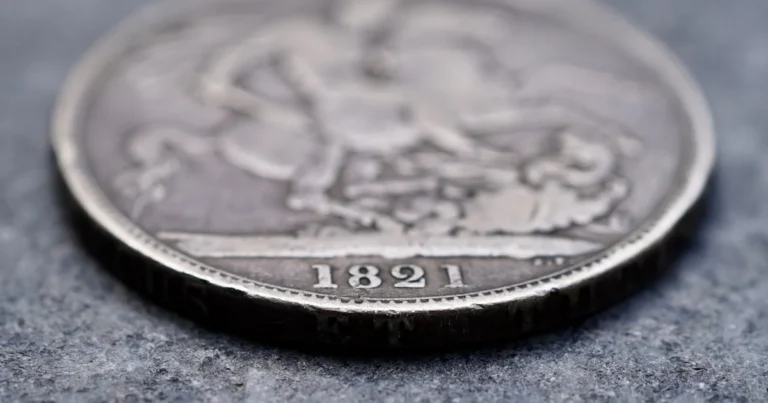
You might think gold coins are a modern invention, a shiny byproduct of Wall Street greed. Think again. The story of gold coins is as old as civilization itself, stretching back to the Lydians in what is now Turkey around 60 BC. They were the first to stamp gold and silver into standardized shapes, creating the world’s first “currency.”
Fast forward through the Roman Empire, where gold aureus coins funded legions, to the Spanish doublons that fueled the Age of Exploration. Every era left its mark on the metal.
Why History Matters to Your Wallet
Why should you care about ancient history when you’re trying to build a modern portfolio? Because provenance drives value.
- Liquidity: A modern American Gold Eagle is recognized globally. A 19th-century coin? Not so much, unless you know the right collector.
- Durability: Ancient coins often show wear. Modern bullion is minted to withstand handling, ensuring the gold content remains the primary focus.
As we explore the differences between bullion and numismatic coins later, remember this: history adds a “story premium,” but for pure investment, the metal itself is the star.
🤔 Can I Buy Gold Coins as an Investment? The Ultimate Guide to Physical Bullion
So, the million-dollar question: Can you actually buy gold coins as an investment? The short answer is a resounding YES. But the long answer? It depends entirely on which coins you buy and why you’re buying them.
At Coin Value™, we’ve seen investors make fortunes and others lose their shirts. The difference usually comes down to understanding the two distinct categories of gold coins:
1. Bullion Coins: The Investment Workhorses
These are the bread and butter of gold investing.
- Purpose: Designed to track the spot price of gold.
- Design: Simple, often featuring national symbols (Eagles, Maples, Lions).
- Premium: Low. You pay a small fee over the gold value.
- Liquidity: High. You can sell them almost anywhere, anytime.
- Examples: American Gold Eagle, Canadian Gold Maple Leaf, South African Krugerrand.
2. Numismatic (Collectible) Coins: The Gamble
These are coins valued for their rarity, condition, and historical significance.
- Purpose: Collecting and speculation.
- Design: Intricate, often commemorative.
- Premium: Massive. You might pay 20% or more over the gold value.
- Liquidity: Low. Finding a buyer who appreciates the rarity can take months.
- Examples: 193 Double Eagle, 1787 Brasher Doubloon.
The Verdict: If you want to hedge against inflation or diversify your portfolio, stick to bullion. If you want to hunt for a treasure that might appreciate due to rarity, you’re entering the world of numismatics, which requires a different skillset entirely.
Curious about the difference? We’ll break down the exact cost implications in the “Pricing” section, but here’s a teaser: buying a rare coin is like buying a house; buying a bullion coin is like buying a share of the house’s bricks.
📊 Gold Coins vs. Gold ETFs: Which Asset Class Wins the Long Game?
You’ve probably heard of Gold ETFs (Exchange-Traded Funds). They are popular, easy to buy through a brokerage, and don’t require a safe. But do they beat physical gold coins? Let’s put them in the ring.
| Feature | Gold Coins (Physical) | Gold ETFs (Paper) |
|---|---|---|
| Tangibility | ✅ You hold it. No counterparty risk. | ❌ You own a share. You rely on the fund. |
| Storage | ❌ Requires safe/vault. Costs money. | ✅ Included. No storage fees for you. |
| Liquidity | ✅ High (for bullion), but selling takes time. | ✅ Instant. Sell in seconds during market hours. |
| Premiums/Fees | ❌ Buy/Sell spread (3-8% + shipping). | ✅ Low expense ratios (0.17% – 0.40%). |
| Inflation Hedge | ✅ Direct. You own the metal. | ✅ Indirect. Tracks the price. |
| Privacy | ✅ High. No digital trail if bought with cash. | ❌ Low. Fully tracked by brokers. |
The “Trust Factor” Debate
In a recent video analysis (which we’ll link to later), a presenter noted that while bars are cheaper, coins offer a “trust factor” and beauty that bars lack. When the grid goes down, a gold coin is universally recognized as money. An ETF? It’s just a number on a screen.
Our Take:
- For the long-term “domsday” investor: Physical coins win. You can’t digitize a crisis.
- For the active trader: ETFs win. Lower fees and instant execution.
Many savvy investors do both: a core holding of physical coins for security, and a smaller ETF position for liquidity.
🏆 The Most Valuable Gold Coins of All Time: Numismatic Treasures vs. Bullion
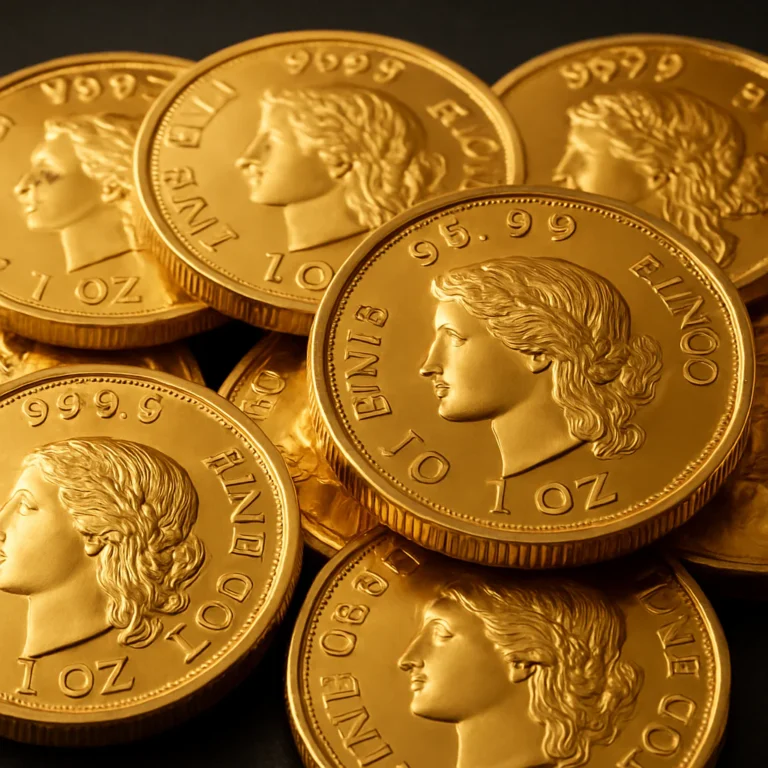
Let’s talk about the Holy Grail of gold. While your average 1oz American Eagle is worth roughly the spot price of gold (plus a small premium), some coins have sold for millions.
The Heavy Hitters
- 193 Double Eagle (USA): Sold for $18.9 million in 2021. Why? It was illegal to own, making surviving examples incredibly rare.
- 1787 Brasher Doubloon (USA): Sold for $9.36 million. A private minting by Ephraim Brasher, predating the US Mint.
- Flowing Hair Dollar (USA): Sold for $10 million in 2013. The first silver dollar minted by the US, but gold versions of similar eras command insane prices.
The Trap for New Investors
Here is the critical warning: These coins are not investments in gold; they are investments in history and rarity.
- If the price of gold drops 20%, a 193 Double Eagle might still hold its value because of its scarcity.
- However, if you buy a “rare” coin thinking it will track the gold price, you will be devastated. You are paying a numismatic premium that has nothing to do with the metal content.
Rule of Thumb: Unless you have a PhD in numismatics and deep pockets, avoid these coins for pure investment purposes. Stick to the modern bullion coins we discussed earlier.
📅 Commemorative Gold Coins for 2025 and 2026: What’s Minted and What’s Worth It?
Every year, mints around the world release commemorative coins to celebrate anniversaries, royal events, or cultural icons. The Royal Mint, for instance, has already teased some stunning releases for 2025 and 2026.
What’s Coming Up?
- 2025 Releases: Look out for the Royal Tudor Beasts: The Queen’s Panther 2oz Gold Proof Coin. With a mintage of only 56 coins, these are exclusive. There’s also the Bond of the 1980s 1oz Gold Bullion Coin for the 07 fans.
- 2026 Releases: The Lunar Year of the Horse 5oz Gold Proof Coin is shaping up to be a massive hit.
Are They Good Investments?
This is where things get tricky.
- ✅ The Good: They make incredible gifts and can appreciate if the mintage is low and demand is high.
- ❌ The Bad: They often carry massive premiums. You might pay $5,0 for a coin containing $2,0 worth of gold. If you try to sell it back to a dealer, they will likely offer you only the melt value or a small premium, wiping out your “investment.”
Our Advice: Buy commemorative coins only if you love the design and plan to hold them forever. Do not buy them expecting a quick profit. As the experts at The Royal Mint note, these are “unique mementos,” not pure investment vehicles.
🛒 Where to Buy Gold Coins: Reputable Dealers, Online Marketplaces, and Local Shops
You’ve decided to buy. Now, where do you go? Buying gold is not like buying a toaster. One wrong move, and you could end up with a gold-plated lead brick.
The Golden Rules of Sourcing
- Stick to Reputable Dealers: Avoid random eBay sellers or Craigslist ads.
- Check for Accreditation: Look for dealers accredited by the Professional Numismatists Guild (PNG) or the Industry Council for Tangible Assets (ICTA).
- Compare Premiums: Prices vary wildly between dealers.
Top Recommended Sources
- APMEX: One of the largest online dealers with a massive inventory.
- JM Bullion: Known for competitive pricing and excellent customer service.
- SD Bullion: Often has the lowest premiums for bulk buyers.
- Local Coin Shops (LCS): Great for seeing the coin in person, but always verify the price against online benchmarks.
⚠️ Warning: Never buy from a source that doesn’t offer a buy-back guarantee. If they won’t buy it back, they probably don’t trust it either.
👉 CHECK PRICE on:
- APMEX: APMEX Gold Coins | APMEX Official Site
- JM Bullion: JM Bullion Gold | JM Bullion Official Site
- SD Bullion: SD Bullion Gold | SD Bullion Official Site
💰 Understanding Gold Coin Pricing: Spot Price, Premiums, and Hidden Fees
Let’s talk money. You see the spot price of gold is $2,0/oz. You go to buy a coin, and it costs $2,150. What happened to the extra $150?
The Anatomy of a Gold Coin Price
- Spot Price: The current market value of one ounce of pure gold.
- Premium: The dealer’s markup to cover minting, distribution, and profit.
1oz Coins: Typically 3% to 6% over spot.
Fractional Coins (1/2, 1/4, 1/10 oz): Higher premiums, sometimes 10% to 15%, because they cost more to mint per ounce. - Hidden Fees:
Shipping: Often $20–$50.
Insurance: Usually included, but check the fine print.
Sales Tax: Varies by state. Some states exempt gold coins, others tax them.
The “Spread” Trap
Remember the BullionVault analysis we mentioned? They pointed out that the spread (the difference between buying and selling price) for coins can be 7% to 10%. This means the gold price must rise by 10% just for you to break even!
Strategy: If you are investing a large sum, buy 1oz coins to minimize the premium percentage. If you need smaller denominations for gifting or flexibility, be prepared to pay more.
🔒 Storing Your Gold: Home Safes, Bank Safety Deposit Boxes, and Private Vaults
You bought the coins. Now, where do you hide them? This is the part most people get wrong.
Option 1: Home Safe
- ✅ Pros: Immediate access, total privacy.
- ❌ Cons: High risk of theft. Fire can melt gold (though it won’t destroy it, it can damage the coin’s condition).
- Tip: Use a TL-30 rated safe bolted to the floor. Never keep all your gold in one place.
Option 2: Bank Safety Deposit Box
- ✅ Pros: High security, fireproof.
- ❌ Cons: Access limited to bank hours. Banks are not liable for the contents (check your insurance).
- Tip: Great for long-term storage, but not for “emergency” access.
Option 3: Private Vaults
- ✅ Pros: Specialized in precious metals, often offer insurance, 24/7 access (some).
- ❌ Cons: Monthly fees can add up.
- Tip: Look for non-bank vaults that offer segregated storage (your gold is separate from others).
Our Recommendation: For most investors, a hybrid approach works best. Keep a small amount (e.g., one 1oz coin) at home for emergencies, and store the bulk in a private vault or bank box.
📜 Tax Implications and Capital Gains: What the IRS Says About Selling Gold
Before you sell your gold for a profit, you need to know about the IRS. Gold is treated differently than stocks or real estate.
The “Collectible” Tax Rate
In the US, gold coins are classified as collectibles.
- Long-term Capital Gains: If you hold the gold for more than a year, you pay a maximum tax rate of 28% on profits, rather than the standard 15% or 20% for stocks.
- Short-term: If you sell within a year, you pay your ordinary income tax rate.
Reporting Requirements
- Form 109-B: Dealers must report sales of gold coins to the IRS if the transaction exceeds certain thresholds.
- Cash Transactions: If you pay with cash over $10,0, the dealer must file a Form 830.
Pro Tip: Keep detailed records of your purchase price (cost basis) to calculate your gains accurately. Don’t forget that sales tax on the purchase might be deductible in some states, but not all.
🚫 Common Pitfalls: How to Avoid Counterfeits and Overpaying for Rare Coins
The gold market is rife with scams. From gold-plated tungsten bars to fake coins, the risks are real.
How to Spot a Fake
- The Magnet Test: Gold is not magnetic. If it sticks, it’s fake. (Note: Tungsten is also non-magnetic, so this isn’t foolproof).
- The Ping Test: Real gold makes a distinct, high-pitched ring when dropped.
- The Sigma Metalytics Test: This is the gold standard (pun intended). Devices like the Sigma Metalytics Precious Metal Verifier use edy currents to detect density and authenticity instantly.
- Visual Inspection: Check for bubbles, uneven edges, or incorrect lettering.
The “Rare Coin” Scam
Scammers often sell “rare” coins at a discount, claiming they are “undervalued.”
- Red Flag: If a coin is truly rare, it won’t be sold at a discount.
- Red Flag: High-pressure sales tactics (“Buy now or miss out!”).
- Red Flag: No third-party grading (PCGS, NGC).
Our Advice: If you aren’t an expert, only buy coins graded by PCGS or NGC. The slab guarantees authenticity and condition.
🌍 Global Gold Coins: American Eagles, Canadian Maples, Austrian Philharmonics, and More
Not all gold coins are created equal. Let’s look at the Big Four of the bullion world.
1. American Gold Eagle (USA)
- Purity: 2 karat (91.67% gold).
- Pros: Most recognized in the US, legal tender, durable.
- Cons: Slightly lower gold content per ounce due to alloy.
- Best For: US investors seeking liquidity.
2. Canadian Gold Maple Leaf (Canada)
- Purity: 9.9% (24 karat).
- Pros: Highest purity, intricate security features (micro-engraved maple leaf).
- Cons: Softer metal, easier to scratch.
- Best For: Investors wanting pure gold.
3. Austrian Philharmonic (Austria)
- Purity: 9.9% (24 karat).
- Pros: Beautiful design, tax-exempt in the EU.
- Cons: Less recognized in the US market.
- Best For: European investors.
4. South African Krugerrand (South Africa)
- Purity: 2 karat (91.67% gold).
- Pros: First modern bullion coin, highly liquid globally.
- Cons: Design is simple (some find it plain).
- Best For: Global diversification.
Comparison Table:
| Coin | Purity | Alloy | Recognition | Durability |
|---|---|---|---|---|
| American Eagle | 91.67% | Copper/Silver | ⭐ | High |
| Maple Leaf | 9.9% | None | ⭐ | Medium |
| Philharmonic | 9.9% | None | ⭐ | Medium |
| Krugerrand | 91.67% | Copper | ⭐ | High |
💡 Quick Tips and Facts
Wait, we mentioned this earlier, but it bears repeating because it’s the most important takeaway of this entire guide.
- ✅ Buy Bullion, Not Collectibles: Unless you are a collector, stick to bullion.
- ✅ Check the Premium: Don’t pay more than 5-8% over spot for 1oz coins.
- ✅ Store Securely: Home safes are risky; use vaults for large holdings.
- ✅ Verify Authenticity: Use a Sigma Metalytics or buy from graded sources.
- ✅ Understand Taxes: Be ready for the 28% collectible tax rate in the US.
One last thought: Gold is a long-term play. It’s not about getting rich quick; it’s about preserving wealth. As the video presenter said, “I am getting the trust factor.” That trust is built over decades, not days.
🏁 Conclusion

So, can you buy gold coins as an investment? Absolutely. But the answer to how you do it determines whether you’re building a fortress or a house of cards.
We’ve covered the history, the types, the pricing, the storage, and the pitfalls. Here is our final verdict:
- For the average investor: Buy 1oz bullion coins (American Eagles, Canadian Maples) from reputable dealers. Keep your portfolio allocation between 5% and 15%. Store them securely.
- For the collector: If you have a passion for history and the expertise to grade coins, numismatics can be rewarding, but treat it as a hobby, not a primary investment.
- For the skeptic: If you want exposure to gold without the hassle of storage, consider Gold ETFs or Gold IRAs.
The Narrative Resolved: Remember the question we posed earlier about the “trust factor”? The video analysis highlighted that while bars are cheaper, coins offer a tangible sense of security that paper assets cannot match. In a world of digital uncertainty, holding a physical gold coin in your hand is a powerful reminder of value that has survived for thousands of years.
Don’t let the fear of missing out (FOMO) drive your decisions. Gold is a marathon, not a sprint. Buy wisely, store securely, and sleep soundly knowing you own a piece of history.
🔗 Recommended Links
Ready to start your journey? Here are the top resources and products we recommend:
- 👉 Shop Gold Coins on Amazon:
American Gold Eagle: Amazon Search
Canadian Gold Maple Leaf: Amazon Search
Gold Coin Storage Cases: Amazon Search - Top Dealers:
- APMEX
- JM Bullion
- SD Bullion
- Essential Reading:
The Gold Bug by Amazon
Guide to Bullion Coins by Amazon
❓ FAQ

Are gold coins a good long-term investment?
Yes, but with caveats. Gold coins are excellent for wealth preservation and hedging against inflation. However, they do not generate passive income (like dividends) and have high transaction costs (premiums). They are best used as a stabilizer in a diversified portfolio, not a primary growth engine.
Read more about “💰 How Much Is 1 oz Gold Coin? (2026 Price & Value Guide)”
How do I buy physical gold coins for investment?
- Research: Decide on the type (Eagle, Maple Leaf, etc.).
- Select a Dealer: Choose a reputable dealer like APMEX or JM Bullion.
- Compare Prices: Check the premium over the spot price.
- Purchase: Buy online or in-person.
- Secure Storage: Arrange for a safe, vault, or bank box immediately.
Read more about “🏦 2026 List of Banks That Sell Gold Coins: The Ultimate Guide”
What is the difference between gold coins and gold bars?
- Gold Coins: Minted by governments, legal tender, often carry a small premium, easier to verify, and more liquid for small amounts.
- Gold Bars: Produced by private mints, no legal tender status, lower premiums (especially for large bars), but harder to verify and less liquid for small quantities.
Read more about “🪙 Gold Coins vs. Bars: The Ultimate 2026 Showdown”
Which gold coins have the best resale value?
Bullion coins with high recognition have the best resale value. The American Gold Eagle, Canadian Gold Maple Leaf, and South African Krugerrand are the most liquid globally. Numismatic coins can have higher resale value if they are rare, but this is highly variable and risky.
Read more about “How Do I Determine the Value of a Gold Coin? 💰 (2026 Guide)”
Are gold coins taxed when sold as an investment?
In the US, yes. Gold coins are classified as collectibles. Long-term capital gains are taxed at a maximum rate of 28%, which is higher than the standard capital gains rate for stocks. Always consult a tax professional for your specific situation.
Read more about “🏛️ Is It Legal to Own Gold Coins? The 2026 Truth Revealed”
How much do gold coins appreciate in value over time?
Gold prices fluctuate based on global economic conditions, inflation, and currency strength. Historically, gold has maintained its purchasing power over the long term, but it does not guarantee appreciation in the short term. It is a store of value, not a growth asset.
Read more about “🥇 10 Best Gold Bullion Coins to Buy in 2026: The Ultimate Guide”
Where can I buy authentic gold coins for my collection?
Buy only from reputable dealers (APMEX, JM Bullion, SD Bullion) or government mints (US Mint, Royal Canadian Mint). Avoid private sellers unless the coins are graded by PCGS or NGC to guarantee authenticity.
Read more about “🏆 Top 10 Best Websites for Coin Values (2026)”
📚 Reference Links
- The Royal Mint: Official Website
- United States Mint: Official Website
- Professional Numismatists Guild (PNG): Official Website
- BullionVault: Why You Should Avoid Gold Coins
- MoneyWeek: Should You Buy Gold Coins?
- TaxAct: Buy Gold Coins for Investments
- Coin Value™ Categories:
- Coin Values
- Gold Coins
- Coin Collecting