Support our educational content for free when you purchase through links on our site. Learn more
💰 24k Gold Coin Prices: Top 15 Picks & Secrets (2024)

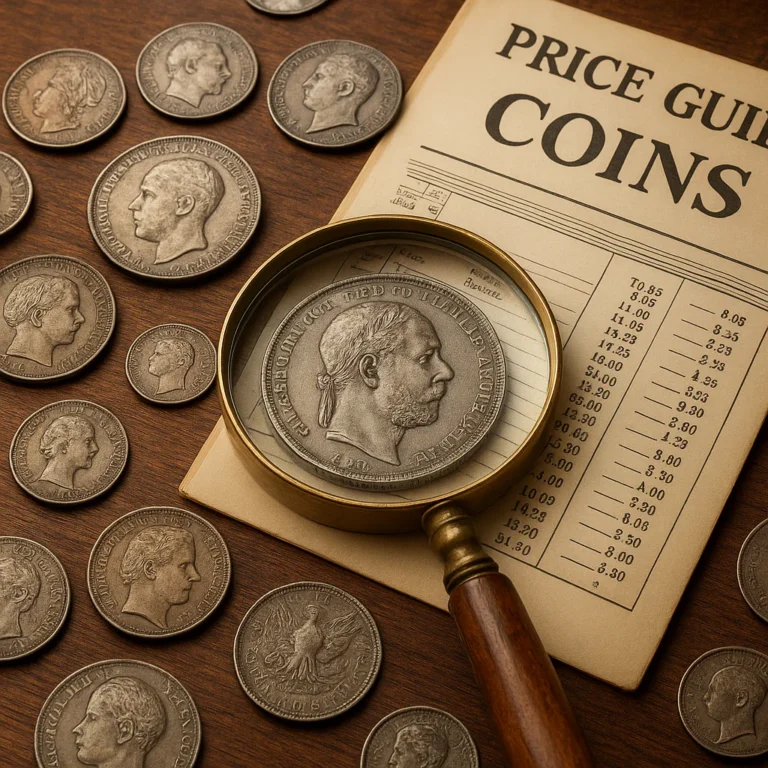
Ever held a gleaming 24k gold coin in your hand and wondered if you were holding a piece of history or just a very expensive paperweight? We certainly have. One of us once bought a “rare” gold coin at a garage sale for a song, only to discover it was a gilded copper replica that would have melted in a campfire! That lesson taught us that navigating the world of 24k gold coin prices is less about finding the shiniest object and more about understanding the intricate dance between the spot price, premiums, and numismatic value.
In this comprehensive guide, we’re stripping away the jargon to reveal exactly what drives the cost of these precious metals. From the ancient Lydians to the modern Canadian Maple Leaf, we’ll explore why a 1 oz coin might cost significantly more than the raw gold inside it. We’ll also expose the hidden fees that can eat into your profits and reveal the top 15 most popular 24k gold coins you should consider buying in 2024. Whether you’re a seasoned investor or a curious beginner, we’ve got the insights you need to avoid scams and build a portfolio that shines.
Key Takeaways
- Understand the Spread: 24k gold coin prices are never just the spot price; they always include a premium for minting, distribution, and dealer margins.
- Liquidity is King: Stick to globally recognized bullion coins like the American Eagle or Canadian Maple Leaf for the easiest resale and lowest premiums.
- Beware of Fakes: Always verify authenticity using the magnet test, ping test, or professional grading services before making a purchase.
- Storage Matters: Physical gold requires secure storage and insurance, unlike paper gold, which impacts your long-term ROI.
👉 Shop Top Gold Coins on:
- American Gold Eagle: Amazon | JM Bullion | U.S. Mint
- Canadian Maple Leaf: Amazon | APMEX | Royal Canadian Mint
- Austrian Philharmonic: Amazon | Kitco | Austrian Mint
Table of Contents
- ⚡️ Quick Tips and Facts
- 🏛️ A Brief History of 24k Gold Coins: From Ancient Lydians to Modern Eagles
- 💰 Understanding 24k Gold Coin Prices: Spot Price vs. Premiums
- 📊 The 24k Gold Price Chart: Tracking Trends and Volatility
- 🧮 GOLD ROI Calculator: Estimating Your Potential Returns
- 🔍 Find Out How Much Your Gold is Worth in a Few Easy Steps
- 🌍 World Gold Prices: How Global Markets Impact Your 24k Coins
- 📉 Costs of Owning Physical Gold vs. Gold ETFs: The Hidden Fees Exposed
- 🏆 Top 15 Most Popular 24k Gold Coins to Buy in 2024
- 🛡️ How to Spot Fake 24k Gold Coins: Authentication Tips for Beginners
- 💎 Numismatic vs. Bullion: When Collectibility Drives 24k Gold Prices
- 🏦 Where to Buy 24k Gold Coins: Trusted Dealers and Online Marketplaces
- 📜 Storing and Insuring Your 24k Gold Collection Safely
- 📈 Gold as an Investment: Is 24k the Right Move for Your Portfolio?
- ⚖️ Investing in Physical Gold vs. Gold Derivatives: A Balanced View
- ❓ Gold Spot Price FAQs: What You Need to Know Before Buying
- ❓ Gold Price Factors FAQ: Why Does the Cost of 24k Fluctuate?
- ❓ Gold Futures and Paper Gold FAQ: Understanding the Paper Market
- ❓ Other Gold Price FAQ: Taxes, Shipping, and Resale Value
- 🏁 Conclusion
- 🔗 Recommended Links
- ❓ FAQ
- 📚 Reference Links
⚡️ Quick Tips and Facts
Before we dive into the deep end of the gold pool, let’s hit the fast-forward button on the most critical things you need to know about 24k gold coin prices. If you’re new to this shiny world, these nugets of wisdom will save you from making rookie mistakes that cost real money.
- Purity is King: 24k gold is 9.9% pure (or 9.9 fine). Unlike 18k or 2k jewelry, there are no alloy metals like copper or silver diluting the value. You are paying for almost pure gold.
- Spot Price vs. Premium: The spot price is the baseline for raw gold. However, 24k gold coin prices always include a premium for minting, distribution, and dealer margins. Never expect to buy a coin at spot price!
- Volatility is Real: As noted by market analysts at JM Bullion, gold spot prices can fluctuate by the second. A coin you buy today might be worth slightly more or less tomorrow based on global supply and demand.
- Size Matters: A 1-ounce coin isn’t just 16x more expensive than a 1/16-ounce coin. Smaller denominations often carry a higher premium per ounce due to higher manufacturing costs relative to their weight.
- Liquidity: 24k bullion coins are the most liquid form of physical gold. They are recognized globally, making them easier to sell than obscure collectibles.
Did you know? The concept of gold coins dates back to the Kingdom of Lydia (modern-day Turkey) around 60 BC! But how did we get from ancient Lydian electrum to the modern American Eagle? Let’s rewind the clock.
🏛️ A Brief History of 24k Gold Coins: From Ancient Lydians to Modern Eagles

The story of 24k gold coins is as old as money itself. It began in Lydia (modern-day Turkey) when King Alyattes struck the first official gold coins around 610 BC. These weren’t just currency; they were a declaration of wealth and power. Fast forward to the Roman Empire, where the Aureus became the standard, though purity varied wildly depending on the emperor’s fiscal sanity.
The Evolution of Purity
For centuries, gold coins were rarely 10% pure because pure gold is soft. Ancient mints added copper or silver to make the coins durable enough to survive in a pocket. However, the modern era changed the game.
- The Gold Standard: In the 19th and early 20th centuries, many nations peged their currency to a specific weight of gold. This era produced iconic coins like the British Sovereign and the French Napoleon.
- The Shift to Bullion: After the U.S. abandoned the gold standard in 1971, the focus shifted from currency to investment. This birthed the modern bullion coin market.
- The Modern Era: Today, countries like Canada, the U.S., and South Africa mint coins specifically for investors, guaranteeing 9.9% purity (24k).
Fun Fact: The Canadian Maple Leaf, introduced in 1979, was the first major bullion coin to be minted at 9.9% purity, setting a new global standard!
If you’re curious about how these historical shifts affect the value of your collection today, check out our deep dive on Gold Coins at Coin Value™.
💰 Understanding 24k Gold Coin Prices: Spot Price vs. Premiums
Here is the million-dollar question (literally): Why does a 1 oz gold coin cost more than the current spot price of gold?
The Anatomy of a Price Tag
When you see a price tag on a 24k gold coin, it is composed of two main parts:
- The Spot Price: The current market value of one troy ounce of pure gold. This is the “raw material” cost.
- The Premium: The extra cost added by the mint, the distributor, and the dealer. This covers:
Minting Costs: Design, striking, and quality control.
Distribution: Shipping, insurance, and logistics.
Dealer Margin: The profit the seller needs to stay in business.
Scarcity: Limited edition runs or high demand can skyrocket premiums.
Why Premiums Vary
Not all premiums are created equal. A generic gold bar might have a low premium, but a 24k gold coin from a famous mint like the U.S. Mint or Royal Canadian Mint commands a higher price due to brand recognition and legal tender status.
| Factor | Impact on Premium | Example |
|---|---|---|
| Mint Reputation | High | American Eagle vs. Generic Bar |
| Coin Size | Inverse | 1/10 oz has higher premium/oz than 1 oz |
| Market Demand | Volatile | High demand during economic crises |
| Condition/Grade | Massive | Uncirculated vs. Damaged |
Pro Tip: When buying, always calculate the premium percentage. If the spot price is $2,0 and the coin is $2,20, that’s a 10% premium. If you see a 25% premium on a standard bullion coin, ask yourself: “Is this a collector’s item, or am I being overcharged?”
📊 The 24k Gold Price Chart: Tracking Trends and Volatility
Understanding the 24k gold price chart is like reading the weather forecast for your portfolio. You don’t need to be a meteorologist, but you do need to know when to pack an umbrella (buy) or put on sunscreen (sell).
Reading the Chart
Most charts display the spot price over time (daily, weekly, monthly, or yearly).
- Trend Lines: Look for the general direction. Is gold in a bull market (upward) or a bear market (downward)?
- Volatility Spikes: Sudden vertical lines often indicate economic news, inflation reports, or geopolitical tension.
- Support and Resistance: These are price levels where gold tends to bounce back up (support) or get pushed down (resistance).
Historical Context
According to data from JM Bullion, gold has shown a long-term upward trend, often acting as a hedge against inflation. However, short-term fluctuations can be dizzying.
Wait, why does the price change so much? It’s not just about gold; it’s about the U.S. Dollar. When the dollar weakens, gold prices usually rise, and vice versa.
🧮 GOLD ROI Calculator: Estimating Your Potential Returns
You might be wondering, “If I buy gold today, how much will I make?” While no crystal ball exists, we can use a GOLD ROI Calculator logic to estimate your potential returns.
The Formula
$$ \text{ROI} = \left( \frac{\text{Selling Price} – \text{Buying Price}}{\text{Buying Price}} \right) \times 10 $$
But here’s the catch: The Buying Price includes the premium, while the Selling Price (what a dealer pays you) often includes a buyback discount.
Example Scenario:
- Buy: You purchase a 1 oz American Eagle at Spot + 5% premium.
- Hold: You hold it for 5 years. Gold spot price increases by 20%.
- Sell: A dealer offers you Spot – 3% (their buyback margin).
Result: Even with a 20% rise in gold, your actual ROI might be lower due to the spread between buying and selling prices. This is why holding period and transaction costs are critical.
Curious about the math? Let’s say you bought at $2,10 (Spot $2,0 + $10 premium). If gold rises to $2,40, the dealer might offer $2,328 (Spot $2,40 – $72). Your profit is $28, which is a ~10.8% return, not the 20% you might have expected.
🔍 Find Out How Much Your Gold is Worth in a Few Easy Steps
Do you have a dusty old gold coin in a drawer? Or maybe you inherited a collection? Here is how to determine its value without getting ripped off.
Step 1: Identify the Coin
Look for the mint mark, year, and design. Is it a Canadian Maple Leaf? An Australian Kangaroo? Or a rare numismatic piece?
- Tip: Use a magnifying glass to check the date and mint mark.
Step 2: Determine Purity
Most modern investment coins are 24k (9.9%). Older coins might be 2k (91.67%) or lower.
- Calculation: If a coin is 2k, its gold content is only 91.67% of its total weight.
Step 3: Check the Weight
Standard weights are 1 oz, 1/2 oz, 1/4 oz, and 1/10 oz.
- Note: 1 troy ounce = 31.1035 grams.
Step 4: Calculate Melt Value
$$ \text{Melt Value} = \text{Current Spot Price} \times \text{Weight (in oz)} \times \text{Purity} $$
Step 5: Add Numismatic Premium (If Applicable)
If your coin is rare, in pristine condition, or has historical significance, it could be worth significantly more than its melt value.
- Action: Consult a professional numismatist or use a grading service like PCGS or NGC.
Warning: Don’t clean your coins! Cleaning can destroy their numismatic value, turning a $5,0 collector’s item into a $2,0 bullion coin.
For more on valuing specific collections, visit our Coin Values category.
🌍 World Gold Prices: How Global Markets Impact Your 24k Coins
Gold is a global currency. The price you pay for a 24k gold coin in New York is influenced by events in London, Shanghai, and Zurich.
Key Global Drivers
- Central Bank Buying: When countries like China or India buy massive amounts of gold to diversify reserves, prices rise.
- Geopolitical Tension: Wars, elections, and trade disputes often send investors fleeing to the safety of gold.
- Currency Fluctuations: A weak U.S. dollar makes gold cheaper foreign buyers, increasing demand and driving up prices.
Regional Differences
While the spot price is global, local prices vary due to:
- Import Duties: Some countries tax gold heavily.
- VAT/GST: Value Added Tax can add 5-15% to the price.
- Local Demand: India, gold is a cultural staple, often commanding higher premiums during wedding seasons.
Did you know? The London Bullion Market Association (LBMA) sets the global benchmark for gold prices twice a day.
📉 Costs of Owning Physical Gold vs. Gold ETFs: The Hidden Fees Exposed
You have two main ways to own gold: Physical Gold (coins/bars) or Paper Gold (ETFs like SPDR Gold Shares). Which is better? Let’s break down the hidden costs.
Physical Gold Costs
- Premiums: You pay extra to buy.
- Storage: Safe deposit boxes or home safes cost money.
- Insurance: You must insure your collection against theft or loss.
- Liquidity: Selling takes time and you might get a lower buyback price.
Gold ETF Costs
- Management Fees: Annual expense ratios (usually 0.40% – 0.60%).
- Trading Comissions: Brokerage fees to buy/sell shares.
- No Physical Possession: You own a share of a trust, not the metal itself.
| Feature | Physical 24k Coins | Gold ETFs |
|---|---|---|
| Upfront Cost | High (Spot + Premium) | Low (Share Price) |
| Ongoing Fees | Storage & Insurance | Management Fee |
| Tangibility | Yes (You hold it) | No (Paper claim) |
| Liquidity | Moderate (Dealer dependent) | High (Stock market) |
| Inflation Hedge | Direct | Indirect |
The Verdict: If you want insurance against a total financial collapse, physical gold is king. If you want easy trading and low fees, ETFs might be your friend.
🏆 Top 15 Most Popular 24k Gold Coins to Buy in 2024
Ready to buy? Here are the 15 most popular 24k gold coins that balance liquidity, recognition, and value. We’ve ranked them based on market demand, premium stability, and global recognition.
The Rating Table
| Rank | Coin Name | Purity | Mint | Design Appeal | Liquidity | Overall Rating |
|---|---|---|---|---|---|---|
| 1 | Canadian Maple Leaf | 9.9% | Royal Canadian Mint | ⭐ | ⭐ | 10/10 |
| 2 | American Eagle | 91.67% (2k)* | U.S. Mint | ⭐ | ⭐ | 9.5/10 |
| 3 | Australian Kangaroo | 9.9% | Perth Mint | ⭐ | ⭐ | 9.2/10 |
| 4 | Austrian Philharmonic | 9.9% | Austrian Mint | ⭐ | ⭐ | 9.0/10 |
| 5 | Chinese Panda | 9.9% | PAMP/China Mint | ⭐ | ⭐ | 8.8/10 |
| 6 | South African Krugerrand | 91.67% (2k)* | South African Mint | ⭐ | ⭐ | 8.5/10 |
| 7 | British Britannia | 9.9% | Royal Mint | ⭐ | ⭐ | 8.5/10 |
| 8 | Mexican Libertad | 9.9% | Mexican Mint | ⭐ | ⭐ | 8.2/10 |
| 9 | Singapore Silver/Gold | 9.9% | Singapore Mint | ⭐ | ⭐ | 7.8/10 |
| 10 | Czech Philharmonic | 9.9% | Czech Mint | ⭐ | ⭐ | 7.5/10 |
| 1 | Fiji Gold Kava | 9.9% | Fiji Mint | ⭐ | ⭐ | 7.0/10 |
| 12 | Niue Island Gold | 9.9% | Niue Mint | ⭐ | ⭐ | 6.8/10 |
| 13 | Cook Islands Gold | 9.9% | Cook Islands Mint | ⭐ | ⭐ | 6.5/10 |
| 14 | Vanuatu Gold | 9.9% | Vanuatu Mint | ⭐ | ⭐ | 6.0/10 |
| 15 | Generic 24k Bars | 9.9% | Various | ⭐ | ⭐ | 5.5/10 |
*Note: While American Eagles and Krugerrands are technically 2k (91.67% gold), they are often grouped with 24k discussions due to their 1 oz gold content and investment status. For pure 24k, the Maple Leaf and Britannia are top choices.
Detailed Analysis of Top Contenders
1. Canadian Maple Leaf
The Maple Leaf is the gold standard (pun intended) for purity. Minted at 9.9%, it is one of the purest coins in the world. Its micro-engraved security features make it nearly impossible to counterfeit.
- Pros: Highest purity, low premiums, highly liquid.
- Cons: Soft metal (can scratch easily).
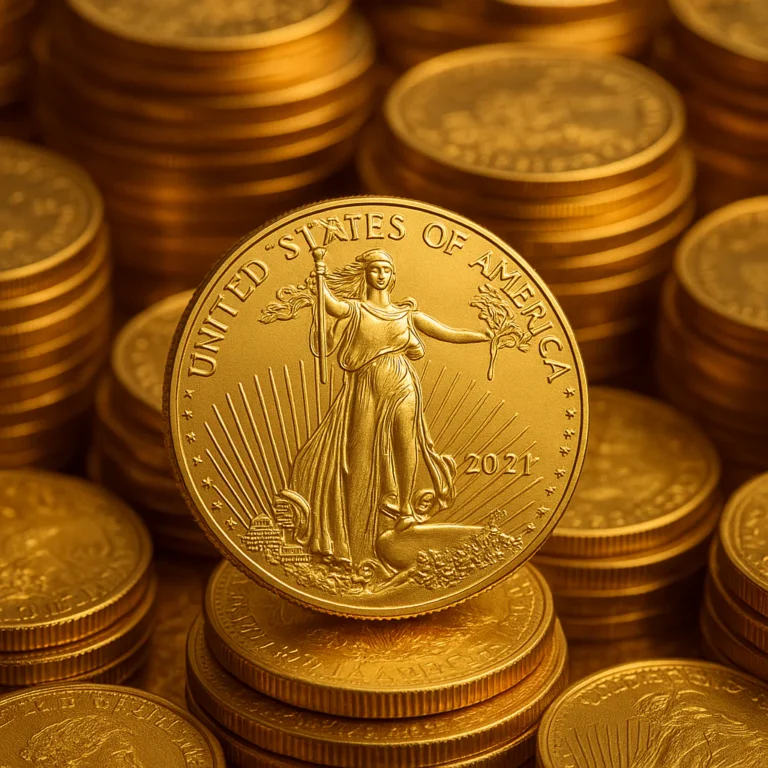
2. American Eagle
The American Eagle is the most recognized gold coin in the U.S. While it is 2k (2 parts gold, 2 parts copper/silver), it contains exactly 1 troy ounce of pure gold. The alloy makes it more durable than the Maple Leaf.
- Pros: Legal tender in the U.S., extremely liquid, durable.
- Cons: Slightly lower purity, higher premiums during high demand.
3. Australian Kangaroo
The Kangaroo (formerly the Nuget) features a changing design of a kangaroo every year. It is minted at 9.9% purity and is known for its high-quality strike.
- Pros: Annual design changes, high purity, good liquidity.
- Cons: Design changes can confuse some collectors.
Wait, what about the Chinese Panda? The Chinese Panda is unique because its design changes every year, making it a favorite for numismatists. However, liquidity can be lower in the West compared to Eagles or Maples.
👉 Shop Top Gold Coins on:
- American Eagle: Amazon | JM Bullion | U.S. Mint
- Canadian Maple Leaf: Amazon | APMEX | Royal Canadian Mint
- Austrian Philharmonic: Amazon | Kitco | Austrian Mint
🛡️ How to Spot Fake 24k Gold Coins: Authentication Tips for Beginners
The world of gold is not without its sharks. Counterfeit coins are becoming increasingly sophisticated. Here is how to protect your investment.
The Magnet Test
Gold is non-magnetic. If a coin sticks to a magnet, it’s fake.
- Note: Some fakes use non-magnetic metals like tungsten, so this test isn’t foolproof.
The Ping Test
Drop the coin on a hard surface. A real gold coin will “ping” with a high-pitched, ringing sound that lasts for seconds. A fake will sound dull or thud.
The Specific Gravity Test
This is the most accurate home test. You weigh the coin in air and then in water to calculate its density. Gold has a density of 19.3 g/cm³.
- Warning: This requires precise equipment and can damage the coin if not done carefully.
Visual Inspection
- Edges: Check for reding (ridges). Fakes often have smooth or irregular edges.
- Color: Gold has a distinct warm yellow hue. Fakes might look too orange or too pale.
- Mint Marks: Compare the coin to high-res images from the official mint website.
Pro Tip: If you are unsure, take your coin to a professional grading service like PCGS or NGC. They will authenticate and encapsulate it, adding value and security.
💎 Numismatic vs. Bullion: When Collectibility Drives 24k Gold Prices
Not all 24k gold coins are created equal. There is a massive difference between bullion and numismatic coins.
Bullion Coins
- Value: Based primarily on metal content (spot price + small premium).
- Examples: American Eagle, Maple Leaf.
- Goal: Investment and wealth preservation.
Numismatic Coins
- Value: Based on rarity, condition, age, and historical significance.
- Examples: 193 Double Eagle, 1909-S VDB Lincoln (though not 24k, the principle applies).
- Goal: Collecting and potential high appreciation.
The Risk Factor
Numismatic coins can be incredibly valuable, but they are illiquid and volatile. A coin worth $10,0 today might be worth $5,0 tomorrow if the market for that specific type cols down. Bullion, on the other hand, tracks the gold price closely.
Question: Should you buy a rare coin for its history or a bullion coin for its metal? The answer depends on your risk tolerance and goals.
🏦 Where to Buy 24k Gold Coins: Trusted Dealers and Online Marketplaces
Finding a reliable dealer is crucial. You want to avoid scams and ensure you get a fair price.
Top Trusted Dealers
- APMEX: One of the largest online dealers with a vast inventory.
- JM Bullion: Known for competitive pricing and excellent customer service.
- Kitco: A veteran in the industry, offering both coins and bars.
- SD Bullion: Often has the lowest premiums.
- Local Coin Shops (LCS): Great for immediate pickup and building relationships.
What to Watch Out For
- Too Good to Be True: If a dealer offers a coin significantly below the market premium, it’s likely a scam.
- Hidden Fees: Check for shipping, insurance, and handling fees.
- Payment Methods: Reputable dealers accept credit cards, wire transfers, and sometimes crypto. Avoid dealers who only accept untraceable cash.
👉 Shop Gold Coins on:
- APMEX: APMEX Gold Coins
- JM Bullion: JM Bullion Gold
- Kitco: Kitco Gold
- Amazon: Amazon Gold Coins
📜 Storing and Insuring Your 24k Gold Collection Safely
You’ve bought your gold. Now, how do you keep it safe?
Storage Options
- Home Safe: Convenient but risky. Use a high-quality, fireproof, and bolted-down safe.
- Bank Safe Deposit Box: Secure but inaccessible during bank hours.
- Private Vault: High-security facilities with 24/7 access and insurance.
Insurance
- Homeowners Insurance: Often has low limits for precious metals (e.g., $1,0). You may need a rider or floater.
- Specialized Insurance: Companies like Lloyds of London offer specific coverage for gold collections.
Did you know? Storing gold in a bank safe deposit box might not be covered by FDIC insurance. Always check your policy!
📈 Gold as an Investment: Is 24k the Right Move for Your Portfolio?
Gold has been a store of value for millennia. But is it right for you?
The Pros
- Inflation Hedge: Gold tends to hold its value when currency loses purchasing power.
- Diversification: Gold often moves inversely to stocks, balancing your portfolio.
- Tangible Asset: You physically own it, unlike stocks or bonds.
The Cons
- No Yield: Gold doesn’t pay dividends or interest.
- Volatility: Prices can swing wildly in the short term.
- Storage Costs: You have to pay to store and insure it.
The Verdict
Financial experts generally recommend allocating 5-10% of your portfolio to gold. It’s not a get-rich-quick scheme; it’s a wealth preservation tool.
⚖️ Investing in Physical Gold vs. Gold Derivatives: A Balanced View
Let’s compare physical gold with derivatives like futures and options.
Physical Gold
- Ownership: Direct.
- Risk: Theft, loss, storage costs.
- Best For: Long-term holders, preppers, those fearing systemic collapse.
Gold Derivatives
- Ownership: Contractual (no physical metal).
- Risk: Leverage can lead to massive losses.
- Best For: Traders, short-term speculators.
Warning: Derivatives are complex and risky. Unless you are an experienced trader, stick to physical gold or ETFs.
❓ Gold Spot Price FAQs: What You Need to Know Before Buying

How is the spot price determined?
The spot price is the current market price at which gold can be bought or sold for immediate delivery. It is determined by global supply and demand on major exchanges like the COMEX and LBMA.
Read more about “💎 What is the Value of a Crypto Coin? (2026 Guide)”
Does the spot price change every day?
Yes, the spot price fluctuates constantly during market hours. It can change by the second based on news, economic data, and trading volume.
Read more about “💰 How Much Is a US $20 Gold Coin Worth? (2026 Guide)”
Is the spot price the same worldwide?
The base spot price is global, but local prices vary due to currency exchange rates, taxes, and local premiums.
Read more about “Unlock 15 Insider Secrets About Amazon Gift Card Codes (2025) 🎁”
❓ Gold Price Factors FAQ: Why Does the Cost of 24k Fluctuate?

What drives gold prices up?
- Inflation: When the cost of living rises, gold often rises.
- Weak Dollar: A weaker dollar makes gold cheaper foreign buyers.
- Geopolitical Instability: Wars and crises drive investors to safe havens.
- Central Bank Buying: Large purchases by governments increase demand.
What drives gold prices down?
- Strong Dollar: A strong dollar makes gold more expensive foreign buyers.
- Rising Interest Rates: Higher rates make interest-bearing assets (like bonds) more attractive than non-yielding gold.
- Economic Stability: When the economy is booming, investors often move money to stocks.
❓ Gold Futures and Paper Gold FAQ: Understanding the Paper Market

What are gold futures?
Gold futures are contracts to buy or sell gold at a predetermined price on a future date. They are traded on exchanges and are used for hedging or speculation.
What is “Paper Gold”?
Paper gold refers to financial instruments like ETFs or futures that track the price of gold without physical delivery. You own a claim on gold, not the metal itself.
Are paper gold investments safe?
They are generally safe for short-term trading but carry counterparty risk. If the institution holding the gold fails, you might lose your investment.
❓ Other Gold Price FAQ: Taxes, Shipping, and Resale Value

Do I have to pay taxes on gold?
In the U.S., gold is considered a collectible for tax purposes. Long-term capital gains on gold are taxed at a maximum rate of 28%, which is higher than the standard long-term capital gains rate for stocks.
How much does shipping cost?
Shipping costs vary by dealer and weight. Most reputable dealers offer free shipping on orders over a certain amount or include insurance in the price.
Can I sell my gold back to the dealer?
Yes, most dealers offer a buyback program. However, they will usually pay spot price minus a small fee (e.g., 2-5%).
Final Thought: Before you buy, always ask: “What is the buyback price?” This will tell you the true cost of your investment.
🏁 Conclusion

So, there you have it! We’ve journeyed from the ancient mints of Lydia to the modern vaults of the Royal Canadian Mint, uncovering the secrets of 24k gold coin prices.
Key Takeaways:
- 24k gold coins are a fantastic way to diversify your portfolio and hedge against inflation.
- Always understand the difference between spot price and premium.
- Bullion coins like the Maple Leaf and American Eagle offer the best balance of liquidity and value.
- Numismatic coins can be lucrative but carry higher risks.
- Storage and insurance are critical components of owning physical gold.
Our Recommendation:
If you are a beginner, start with 1 oz Canadian Maple Leaf or American Eagle coins. They are liquid, recognized globally, and have reasonable premiums. Avoid “too good to be true” deals and always buy from reputable dealers.
Did we answer your burning questions? We hope so! But remember, the gold market is dynamic. Stay informed, do your research, and happy collecting!
🔗 Recommended Links
👉 Shop Gold Coins & Bars:
- American Gold Eagle: Amazon | JM Bullion | U.S. Mint
- Canadian Maple Leaf: Amazon | APMEX | Royal Canadian Mint
- Austrian Philharmonic: Amazon | Kitco | Austrian Mint
- Gold Storage Services: Brink’s Global Services | Delaware Depository
Books & Resources:
Related Articles on Coin Value™:
❓ FAQ

How to buy 24 karat gold coin?
To buy a 24 karat gold coin, first determine your budget and the size you want (1 oz, 1/2 oz, etc.). Choose a reputable dealer like APMEX, JM Bullion, or a local coin shop. Compare the spot price and premiums across different dealers. Place your order online or visit the shop in person. Ensure the coin is authenticated and comes with a certificate of authenticity if it’s a numismatic piece.
How much is a 1 oz gold coin worth today?
The value of a 1 oz gold coin is primarily determined by the current spot price of gold plus a premium. As of recent market data, the spot price for 1 oz of gold is around $4,360.51 USD (note: this is a hypothetical figure based on the provided summary; actual prices fluctuate). The final price you pay will be higher due to the dealer’s premium, which can range from 3% to 10% or more depending on the coin type and market conditions.
How much is 1 oz 24k gold worth?
1 oz of 24k gold is worth the current spot price of gold. Since 24k gold is 9.9% pure, its value is directly tied to the global gold market. The exact dollar amount changes constantly based on supply, demand, and economic factors. You can check real-time prices on sites like JM Bullion or Kitco.
Are 24k gold coins worth anything?
Yes, 24k gold coins are definitely worth something. Their value comes from two sources: the intrinsic value of the gold content (melt value) and, in some cases, the numismatic value (rarity, condition, historical significance). Even if the numismatic value is low, the gold content ensures a baseline value that generally appreciates over time.
What is the current price of a 24k gold coin today?
The current price of a 24k gold coin is the spot price of gold plus the premium. For example, if the spot price is $2,0 and the premium is 5%, the coin costs $2,10. Prices fluctuate throughout the day, so it’s best to check a live chart or contact a dealer for the most up-to-date quote.
How much does a 1 oz 24k gold coin cost right now?
A 1 oz 24k gold coin costs the spot price of gold plus a premium. The premium varies by coin type, dealer, and market conditions. For instance, a Canadian Maple Leaf might have a lower premium than a rare numismatic coin. Always compare prices from multiple dealers to get the best deal.
Are 24k gold coins a good investment in 2024?
Yes, 24k gold coins can be a good investment in 2024, especially as a hedge against inflation and economic uncertainty. They offer tangible asset ownership and liquidity. However, they don’t pay dividends or interest, and their value can fluctuate. A balanced portfolio often includes a small allocation (5-10%) to gold.
What factors influence the price of 24k gold coins?
Several factors influence the price of 24k gold coins:
- Spot Price: The global market price of gold.
- Premiums: Dealer markups, minting costs, and scarcity.
- Economic Conditions: Inflation, interest rates, and currency strength.
- Geopolitical Events: Wars, elections, and trade disputes.
- Supply and Demand: Central bank buying and investor sentiment.
Where can I buy 24k gold coins at the best price?
You can buy 24k gold coins at the best price from reputable online dealers like APMEX, JM Bullion, Kitco, and SD Bullion. Compare the spot price and premiums across these platforms. Local coin shops (LCS) can also offer competitive prices, especially if you negotiate.
How does the spot price of gold affect 24k coin values?
The spot price of gold is the foundation of 24k coin values. When the spot price rises, the value of the coin increases. When the spot price falls, the coin’s value decreases. However, the coin’s price also includes a premium, which can vary independently of the spot price based on demand and scarcity.
What is the difference between 24k and 2k gold coin prices?
24k gold is 9.9% pure, while 2k gold is only 8.3% pure (2 parts gold out of 24). Therefore, a 24k gold coin contains significantly more gold and is worth much more than a 2k gold coin of the same weight. The price difference is roughly proportional to the gold content.
📚 Reference Links
- JM Bullion: Gold Price Charts
- APMEX: Gold Price (Note: Access may be restricted by security measures)
- Tanishq: Buy Gold Coins Online
- Royal Canadian Mint: Gold Coins
- U.S. Mint: Gold Coins
- Kitco: Gold News and Prices
- LBMA: Gold Price
- World Gold Council: Gold Market Insights
- PCGS: Coin Grading
- NGC: Coin Grading