Support our educational content for free when you purchase through links on our site. Learn more
🪙 How to Start a Gold Coin Collection: The Ultimate 2026 Guide

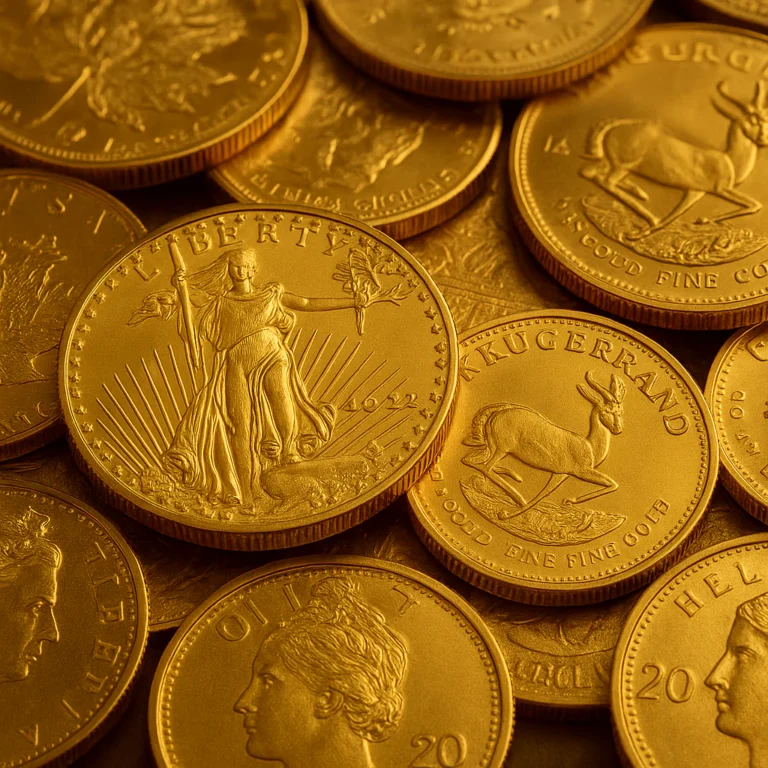
Ever held a piece of history in your hand and felt the weight of centuries? That’s the magic of gold coin collecting. But before you rush to buy your first Double Eagle or Liberty Head, you need a map. Many beginners stumble into the trap of overpaying for common dates or, worse, buying counterfeits because they skipped the research. We’ve seen it all: the excitement of finding a “rare” coin for pennies, only to discover it’s a modern cast. Don’t let that be your story.
In this comprehensive guide, we’re not just listing coins; we’re handing you the 12 Golden Rules that separate the hobbyists from the serious collectors. From understanding the critical difference between bullion and numismatics to mastering the art of grading and spotting fakes, we cover every angle. We’ll even reveal the specific international coins that offer better value than their American counterparts and share the exact storage secrets top collectors use to protect their assets. By the end, you’ll know exactly how to build a collection that grows in value and joy, not just in gold weight.
Key Takeaways
- Define Your Path: Decide early if you are an investor seeking pure gold content or a numismatist chasing rare dates and historical significance; this choice dictates your entire strategy.
- Prioritize Certification: Never buy raw gold coins without PCGS or NGC certification to ensure authenticity and accurate grading, as a single grade difference can multiply value by 10x.
- Understand the Premium: Learn to distinguish between the spot price of gold and the numismatic premium, avoiding the common mistake of overpaying for common-date coins.
- Secure Your Assets: Proper storage and specialized insurance are non-negotiable; your collection is a tangible asset that requires physical protection and financial coverage.
- Educate Before You Buy: Knowledge is your best defense against scams; read the “Red Book,” join collector forums, and attend shows before spending a dime.
Table of Contents
- ⚡️ Quick Tips and Facts
- 🏛️ A Brief History of Gold Coinage: From Ancient Lydians to Modern Eagles
- 🤔 Why Start a Gold Coin Collection? The Allure of Precious Metals
- 💰 How to Start a Gold Coin Collection: Your Step-by-Step Roadmap
- 📜 The 12 Golden Rules of Successful Coin Collecting
- 🇺🇸 Top US Gold Coins to Collect: A Guide to American Eagles, Double Eagles, and More
- 🌍 International Gold Coins: Sovereigns, Krugerrands, and Maple Leafs Explained
- 🔢 Understanding Gold Coin Grading: From Poor to Mint State
- 🛒 Where to Buy Gold Coins: Dealers, Auctions, and Online Marketplaces
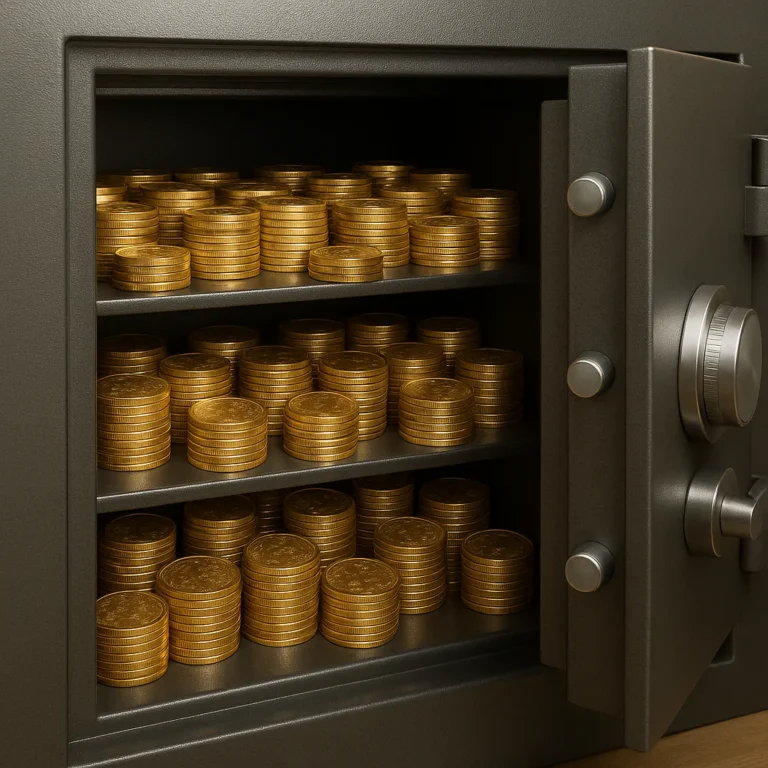
- 🏦 How to Store and Insure Your Gold Coin Collection Safely
- 💸 Selling Your Gold Coins: Maximizing Profit and Minimizing Hassle
- ⚖️ Tax Implications and Legal Considerations for Gold Collectors
- ❓ Frequently Asked Questions About Starting a Gold Coin Collection
- 🔗 Recommended Links and Resources
- 📚 Reference Links
- 🏁 Conclusion
⚡️ Quick Tips and Facts
Before you dive headfirst into the glittering world of gold, let’s hit the pause button and drop some hard truths that could save you thousands. We’ve seen too many eager newbies burn their cash on “too good to be true” deals, only to realize they bought a gilded brick of fool’s gold.
Here is the Coin Value™ cheat sheet for your first steps:
- Gold is Heavy: Unlike paper money or digital crypto, gold has mass. A single $20 Double Eagle weighs about 1.07 troy ounces. If you’re carrying a stack of them, you’ll feel the weight of history (and your wallet).
- Spot Price vs. Premium: The spot price is what the raw metal is worth right now. The premium is what you pay for the coin’s design, rarity, and dealer markup. Beginners often ignore the premium, thinking they are getting a “deal,” but you might be overpaying by 20% or more.
- Grading is King: A coin graded MS-65 (Mint State) can be worth 10 times more than the same coin graded MS-60. Never buy raw gold coins without knowing how to grade them or getting them certified by PCGS or NGC.
- Bullion vs. Numismatics: Are you buying for the metal (bullion) or the history (numismatics)? Bullion tracks the gold price closely. Numismatics can skyrocket in value based on rarity, regardless of the gold price.
- The “Too Good to Be True” Rule: If a dealer offers a rare 19th-century gold coin for the spot price of gold, run. It’s either a counterfeit, damaged, or a scam.
Pro Tip: Before spending a dime, check out our deep dive on Gold Coins to understand the difference between investment-grade bullion and collector-grade rarities.
🏛️ A Brief History of Gold Coinage: From Ancient Lydians to Modern Eagles

Why do we collect gold? It’s not just about the shiny stuff; it’s about the story.
The journey begins in Ancient Lydia (modern-day Turkey) around 60 BC, where the first gold coins were minted. These electrum coins (a mix of gold and silver) were the original currency of the realm. Fast forward to the United States, and the story gets even juicier.
The U.S. Mint began producing gold coins in 1795. From the Draped Bust designs to the Indian Head motifs, each era reflects the artistic and economic climate of its time.
- The Gold Rush Era (1849–1860s): The discovery of gold in California and the South led to a boom in minting. This is where we get the famous Charlotte (C) and Dahlonega (D) mint marks. These coins are highly sought after by collectors today because many were melted down during the Civil War, making surviving examples rare.
- The Saint-Gaudens Era (1907–193): Augustus Saint-Gaudens designed the most beautiful gold coin ever made: the $20 Double Eagle. Even though the U.S. stopped circulating gold coins in 193 (thanks to FDR’s Executive Order 6102), these coins remain the crown jewels of any collection.
- The Modern Revival (1986–Present): The American Gold Eagle program reintroduced gold coins to the public, offering a government-backed guarantee of weight and purity.
Did You Know? The 193 Double Eagle is one of the most valuable coins in the world. Most were melted, but a few survived and were sold at auction for millions!
🤔 Why Start a Gold Coin Collection? The Allure of Precious Metals
You might be asking, “Why gold? Why not stocks, real estate, or even meme coins?”
Great question. Here’s why gold coins hold a special place in the hearts of collectors:
- Tangible Wealth: In a world of digital transactions, holding a gold coin feels real. It’s a physical asset you can touch, hold, and pass down.
- Inflation Hedge: Gold has maintained its purchasing power for centuries. When the dollar weakens, gold often strengthens.
- Portability: A small stack of gold coins can hold the value of a house. It’s the ultimate portable wealth.
- The Thrill of the Hunt: Finding a rare date, a high-grade specimen, or a coin with a unique error is like finding a treasure chest. The numismatic thrill is unmatched.
- Legacy: Gold coins are heirloms. They tell a story that can be passed down through generations.
Fun Fact: The American Gold Eagle is the only U.S. gold coin that is legal tender for its face value, even though its market value is far higher!
💰 How to Start a Gold Coin Collection: Your Step-by-Step Roadmap
Ready to begin? Don’t just jump in; plan your move. Here is your roadmap to building a world-class collection.
Step 1: Define Your Goal
Are you an investor looking for pure gold content, or a collector chasing rare dates and beautiful designs?
- Investors: Focus on bullion coins like the American Gold Eagle or Canadian Maple Leaf.
- Collectors: Focus on numismatic coins like the Liberty Head or Indian Head series.
Step 2: Educate Yourself
Knowledge is your best defense against scams. Read books, watch videos, and join forums.
- Recommended Reading: The Official Red Book: A Guide Book of United States Coins (the “Red Book”) is the bible for U.S. coin collectors.
- Online Resources: Check out our Coin Collecting category for more guides.
Step 3: Set a Budget
Gold can be expensive, but you don’t need millions to start.
- Entry Level: Start with common date coins in lower grades (EF or AU).
- Mid-Range: Look for MS-63 or MS-64 coins with original luster.
- High-End: Save up for MS-65+ or rare dates.
Step 4: Choose Your First Coin
Don’t buy the first coin you see. Compare prices, check grades, and look for original color.
- Beginer Pick: A 1986 American Gold Eagle (bullion) or a common date Liberty Head Half Eagle (numismatic).
Step 5: Buy from Reputable Sources
Avoid eBay auctions from unknown sellers. Stick to reputable dealers and auction houses.
- Trusted Dealers: APMEX, JM Bullion, Heritage Auctions.
- Certification: Always buy coins graded by PCGS or NGC.
Wait! Before you buy, make sure you understand the premium over spot price. A high premium might mean you’re overpaying for a common coin.
📜 The 12 Golden Rules of Successful Coin Collecting
Inspired by the legendary Doug Winter and the American Numismatic Association, here are the 12 Golden Rules to guide your journey. These aren’t just suggestions; they are the laws of the land for serious collectors.
1. 🔍 Define Your Collection Focus: Bullion vs. Numismatics
Don’t try to collect everything. Specialization is key.
- Bullion: Focus on weight and purity.
- Numismatics: Focus on rarity, condition, and history.
- Tip: Pick a niche, like “19th-century gold dollars” or “Civil War era half eagles.”
2. 📚 Educate Yourself Before You Buy
Ignorance is expensive. Read books, attend shows, and talk to experts.
- Resource: Join the American Numismatic Association (ANA) for access to their library and educational programs.
- Quote: “If you do not learn how to become a good coin collector, you will not enjoy this hobby.” – Doug Winter
3. 🛡️ Verify Authenticity and Grading Standards
Never buy a raw coin without knowing how to grade it.
- Grading: Learn the difference between MS-60 and MS-65.
- Certification: Buy coins graded by PCGS or NGC to ensure authenticity.
4. 💵 Understand the Premium Over Spot Price
The premium is the extra cost you pay for the coin’s numismatic value.
- Bullion: Premiums are low (5–10% over spot).
- Numismatics: Premiums can be 50% to 10%+ over spot.
- Tip: Don’t overpay for a common coin just because it’s “old.”
5. 🏦 Choose Reputable Dealers and Auction Houses
Avoid “too good to be true” deals.
- Trusted Dealers: APMEX, JM Bullion, Kitco.
- Auctions: Heritage Auctions, Stack’s Bowers.
- Tip: Build a relationship with a dealer who knows your collection goals.
6. 🔒 Secure Proper Storage and Insurance
Gold is a target for thieves.
- Storage: Use a safe deposit box or a high-quality home safe.
- Insurance: Insure your collection for its replacement value, not just the gold weight.
7. 📈 Track Market Trends and Liquidity
Gold prices fluctuate. Keep an eye on the spot price and market trends.
- Liquidity: Bullion is easier to sell than rare numismatic coins.
- Tip: Don’t panic sell during a dip. Gold is a long-term hold.
8. 🧐 Inspect for Counterfeits and Alterations
Counterfeits are common, especially in high-value coins.
- Red Flags: Wrong weight, wrong color, or poor detail.
- Tip: Buy only certified coins from reputable sources.
9. 🤝 Network with Fellow Collectors
Join local coin clubs and online forums.
- Benefits: Learn from experienced collectors, find rare coins, and get advice.
- Tip: Attend coin shows to see coins in person.
10. 📝 Keep Detailed Records of Your Acquisitions
Document every coin you buy: date, grade, price, and source.
- Tools: Use a spreadsheet or a dedicated coin collection app.
- Tip: This helps with insurance and future sales.
1. 🚫 Avoid Emotional Buying and FOMO
Don’t buy a coin just because it’s “rare” or because you’re afraid of missing out.
- Rule: If you don’t understand the coin, don’t buy it.
- Tip: Take your time. Great opportunities come to those who wait.
12. 🎯 Be Patient and Think Long-Term
Building a great collection takes decades, not days.
- Mindset: Think like a collector, not an investor.
- Quote: “Impetuous decisions are invariably incorrect and usually prove costly over the course of time.” – Doug Winter
🇺🇸 Top US Gold Coins to Collect: A Guide to American Eagles, Double Eagles, and More
The U.S. has a rich history of gold coinage. Here are the top coins every beginner should consider:
1. American Gold Eagle (1986–Present)
- Why: Government-backed, highly liquid, and available in various sizes (1/10 oz, 1/4 oz, 1/2 oz, 1 oz).
- Design: Lady Liberty on the obverse, a family of eagles on the reverse.
- Best For: Investors and beginners.
2. Saint-Gaudens Double Eagle ($20)
- Why: The most beautiful U.S. gold coin ever made.
- Design: Standing Liberty on the obverse, a flying eagle on the reverse.
- Best For: Collectors who appreciate art and history.
3. Liberty Head Half Eagle ($5)
- Why: A classic design with many rare dates.
- Design: Liberty with a coronet on the obverse, a heraldic eagle on the reverse.
- Best For: Numismatics enthusiasts.
4. Indian Head Gold Coins
- Why: Unique design with a Native American profile.
- Design: Indian head with a feathered headdress.
- Best For: Collectors looking for variety.
5. Charlotte and Dahlonega Gold Coins
- Why: Southern branch mint coins with historical significance.
- Design: Various designs, but all marked with “C” or “D”.
- Best For: History buffs.
Pro Tip: Start with common dates in lower grades to build your collection without breaking the bank.
🌍 International Gold Coins: Sovereigns, Krugerrands, and Maple Leafs Explained
Not all gold coins are American. Here are some international favorites:
1. British Sovereign
- Why: One of the oldest continuously minted gold coins.
- Design: St. George and the dragon on the reverse.
- Best For: Collectors of British history.
2. South African Krugerrand
- Why: The first modern gold bullion coin.
- Design: Paul Kruger on the obverse, a springbok on the reverse.
- Best For: Investors.
3. Canadian Maple Leaf
- Why: Highest purity (9.9% gold).
- Design: Queen Elizabeth II on the obverse, a maple leaf on the reverse.
- Best For: Investors seeking purity.
4. Australian Kangaroo
- Why: Annual design changes make it fun to collect.
- Design: Kangaroo on the reverse.
- Best For: Collectors who like variety.
Did You Know? The Krugerrand was the first gold coin to be marketed specifically to investors, not just collectors!
🔢 Understanding Gold Coin Grading: From Poor to Mint State
Grading is the lifeblood of numismatics. A coin’s grade can make or break its value.
The Sheldon Scale
The Sheldon Scale ranges from 1 (Poor) to 70 (Perfect Mint State).
| Grade | Description | Value Impact |
|---|---|---|
| 1-10 | Poor to Fair | Minimal numismatic value |
| 12-20 | About Good to Good | Low numismatic value |
| 25-35 | Very Fine to Extremely Fine | Moderate numismatic value |
| 40-45 | About Uncirculated | High numismatic value |
| 50-58 | Mint State (MS-50 to MS-58) | Very high numismatic value |
| 60-65 | Mint State (MS-60 to MS-65) | Extremely high numismatic value |
| 6-70 | Mint State (MS-6 to MS-70) | Exceptional value (Gem quality) |
Key Grading Factors
- Luster: The original shine of the coin.
- Strike: How well the design was impressed.
- Surface Preservation: Absence of scratches, dents, or marks.
- Color: Original, natural color is preferred.
Warning: Never clean a gold coin! Cleaning can destroy its value.
🛒 Where to Buy Gold Coins: Dealers, Auctions, and Online Marketplaces
Where should you buy your first gold coin? Here are the best options:
1. Reputable Dealers
- APMEX: Wide selection, competitive prices.
- JM Bullion: Great for beginners, excellent customer service.
- Kitco: Trusted for bullion and numismatics.
2. Auction Houses
- Heritage Auctions: High-end numismatic coins.
- Stack’s Bowers: Rare and historic coins.
- GreatCollections: Certified coins with buyer protection.
3. Online Marketplaces
- eBay: Use with caution. Only buy from highly rated sellers with PCGS/NGC certification.
- Whatnot: Live auctions for collectibles.
- CoinValue™: Check our Gold Coins category for curated lists.
Tip: Always check the seller’s reputation and return policy before buying.
🏦 How to Store and Insure Your Gold Coin Collection Safely
Your gold coins are valuable. Protect them!
Storage Options
- Home Safe: Use a high-quality, fireproof safe.
- Safe Deposit Box: Secure, but less accessible.
- Third-Party Vaulting: Professional storage with insurance.
Insurance
- Homeowners Insurance: May cover some value, but often limited.
- Specialized Coin Insurance: Covers the full numismatic value.
- Tip: Document your collection with photos and receipts.
Pro Tip: Never store your entire collection in one place. Diversify your storage to minimize risk.
💸 Selling Your Gold Coins: Maximizing Profit and Minimizing Hassle
When the time comes to sell, you want to get the best price.
Selling Options
- Dealers: Quick sale, but lower prices.
- Auctions: Higher potential prices, but fees and time.
- Online Marketplaces: Direct to buyer, but requires effort.
Tips for Selling
- Know Your Coin’s Value: Get it graded and appraised.
- Timing: Sell when the market is strong.
- Documentation: Provide all records and certificates.
Warning: Don’t sell during a market dip unless necessary. Gold is a long-term hold.
⚖️ Tax Implications and Legal Considerations for Gold Collectors
Gold coins have tax implications. Be aware!
Capital Gains Tax
- Collectibles Tax Rate: In the U.S., gold coins are taxed at a 28% capital gains rate (higher than stocks).
- Holding Period: Long-term gains (held over 1 year) are taxed at the collectibles rate.
Legal Considerations
- Reporting: Large transactions may need to be reported.
- State Taxes: Some states have sales tax on gold coins.
- Tip: Consult a tax professional before selling.
Did You Know? The 193 Double Eagle was once considered illegal to own, but a few were eventually sold at auction for millions!
❓ Frequently Asked Questions About Starting a Gold Coin Collection
What is the best gold coin to start a collection?
The American Gold Eagle is a great starting point for investors, while the Liberty Head Half Eagle is ideal for numismatics.
How much does it cost to start a gold coin collection?
You can start with as little as $50–$10 for a small bullion coin or a common date numismatic coin in lower grades.
Where can I buy authentic gold coins for beginners?
Stick to reputable dealers like APMEX, JM Bullion, or certified auction houses like Heritage Auctions.
What are the most valuable gold coins for collectors?
The 193 Double Eagle, 1804 Draped Bust Dollar, and 1870-S Liberty Head Half Eagle are among the most valuable.
How do I determine the value of my gold coins?
Check the spot price, grade, and rarity. Use resources like the Red Book or online price guides.
Should I buy gold coins for investment or collection?
It depends on your goals. Bullion is for investment, while numismatics is for collecting and potential appreciation.
What are the common mistakes new gold coin collectors make?
- Buying without research.
- Overpaying for common coins.
- Cleaning coins.
- Ignoring grading and certification.
🔗 Recommended Links and Resources
Ready to take the next step? Here are some essential resources:
Shopping Links
- American Gold Eagle: Shop on Amazon | APMEX Official
- Saint-Gaudens Double Eagle: Shop on Amazon | Heritage Auctions
- Liberty Head Half Eagle: Shop on Amazon | JM Bullion
- Canadian Maple Leaf: Shop on Amazon | Kitco
Books & Guides
- The Official Red Book: Buy on Amazon
- A Guide Book of United States Gold Coins: Buy on Amazon
📚 Reference Links
- American Numismatic Association
- Professional Coin Grading Service (PCGS)
- Numismatic Guaranty Company (NGC)
- U.S. Mint
- Rare Gold Coins: Collecting US Gold Coins by Type
- Coin Value™: Gold Coins
- Coin Value™: Coin Collecting
- Coin Value™: Gold Coins Category
🏁 Conclusion

So, there you have it! Starting a gold coin collection is a journey filled with history, beauty, and potential. Whether you’re an investor looking for a hedge against inflation or a collector chasing the thrill of the hunt, gold coins offer something for everyone.
Remember:
- Educate yourself before you buy.
- Specialize to become an expert.
- Buy certified coins to ensure authenticity.
- Store and insure your collection properly.
- Think long-term and enjoy the ride.
As Doug Winter said, “If you do not learn how to become a good coin collector, you will not enjoy this hobby.” So, take your time, do your research, and build a collection that you’ll be proud to pass down to the next generation.
Ready to start? Check out our Gold Coins category for more guides and recommendations. Happy collecting! 🪙✨